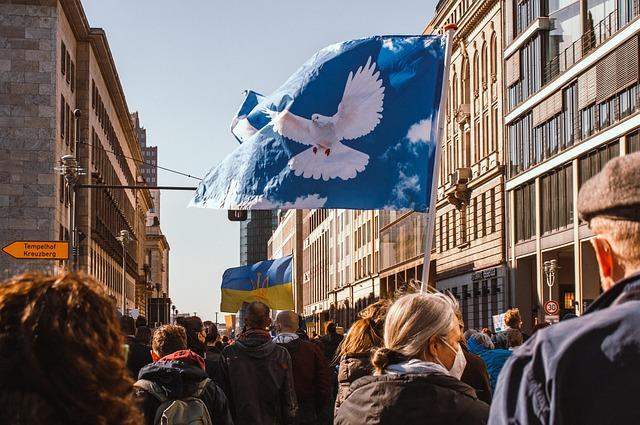
Negotiations aimed at resolving the ongoing conflict between Ukraine and Russia have abruptly broken down, Ukrainian President Volodymyr Zelensky announced Monday. Accusing Moscow of attempting to “drag out” the peace talks without making meaningful progress, Zelensky’s remarks underscore growing frustrations as both sides remain locked in a protracted and bitter standoff. The sudden halt comes amid heightened international concerns over the conflict’s escalation and the urgent need for a diplomatic breakthrough.
Ukraine Russia Peace Talks Collapse as Zelensky Accuses Moscow of Deliberate Delay Tactics
President Volodymyr Zelensky expressed deep frustration over the recent peace negotiations, accusing Russia of intentionally employing tactics to prolong discussions without making meaningful concessions. According to Ukrainian officials, Moscow’s approach has included vague commitments, insistence on preconditions, and repeated postponements, effectively stalling any progress towards ending the conflict. The collapse of these talks marks a significant setback in diplomatic efforts, further dimming hopes for a swift resolution amid ongoing hostilities.
Analysts highlight several key obstacles that contributed to the breakdown:
- Russia’s demands: Insistence on recognition of separatist-held territories
- Ukraine’s stance: Refusal to concede sovereignty and calls for withdrawal of Russian forces
- International mediators: Limited leverage to enforce compliance from either party
| Issue | Ukraine’s Position | Russia’s Position |
|---|---|---|
| Territorial Control | Integrity and sovereignty upheld | Recognition of separatist regions |
| Ceasefire Terms | Immediate and unconditional | Conditional on political negotiations |
| Future Negotiations | Transparent and continuous | Indefinite delays and preconditions |
Analyzing the Implications of Stalled Negotiations on Regional Stability and Global Diplomacy
The abrupt halt in peace proceedings between Kyiv and Moscow signals a precarious shift in Eastern European geopolitics. President Zelensky’s assertion that Moscow seeks to “drag out” the talks underscores a growing mistrust, complicating efforts to achieve a sustainable ceasefire. This stalemate not only curtails immediate diplomatic progress but risks emboldening hardline elements on both sides, potentially escalating localized tensions into broader confrontations. Analysts highlight that prolonged deadlock could deepen humanitarian crises, disrupt energy supplies, and strain alliances within NATO and the European Union.
From a global diplomacy perspective, fractured negotiations reverberate well beyond the region. Key consequences include:
- Undermining multilateral conflict resolution frameworks, setting a worrying precedent for handling territorial disputes worldwide.
- Complicating efforts to enact sanctions and peacebuilding measures as international stakeholders face divided priorities.
- Increasing geopolitical polarization between Western powers and Russia, hindering broader cooperation on issues such as climate and security.
| Implications | Short-term | Long-term | ||||||
|---|---|---|---|---|---|---|---|---|
| Regional Stability | Increased localized clashes | Entrenched conflict zones | ||||||
| Diplomatic Relations | Strained dialogue channels | Divergent foreign policies | ||||||
| Strategies for Renewed Dialogue and International Mediation to Break the Deadlock In light of the recent breakdown in Ukraine-Russia negotiations, breaking the deadlock requires a multifaceted approach that transcends traditional bilateral talks. Leveraging third-party mediation from neutral nations or international organizations could introduce fresh perspectives and instill greater trust on both sides. For instance, increased involvement by the United Nations or the Organization for Security and Co-operation in Europe (OSCE) might facilitate more structured dialogue channels, ensuring transparency and accountability throughout the process. Furthermore, implementing confidence-building measures is essential to pave the way for renewed negotiations. These can include:
Insights and ConclusionsAs the Ukraine-Russia peace talks conclude without resolution, Kyiv’s accusations of Moscow seeking to prolong negotiations cast a shadow over prospects for an immediate ceasefire. With tensions remaining high and diplomatic efforts faltering, the international community watches closely, hopeful yet wary of the next steps in this ongoing conflict. ADVERTISEMENT  Related Posts |