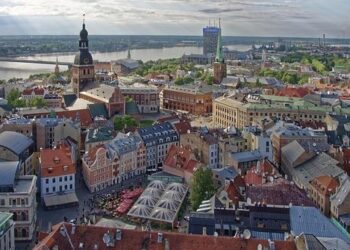
A Russian scholar was detained in Latvia while delivering a lecture on North Korea, authorities confirmed on Tuesday. The incident, which took place at a university in Riga, has raised questions about academic freedom and security measures amid increasing geopolitical tensions in the region. Latvian officials have not disclosed the exact reasons for the detention, but have emphasized that the matter is under investigation. This unexpected development highlights the complex dynamics surrounding academic exchanges involving sensitive topics in Eastern Europe.
Russian Scholar Detained in Latvia Amid Suspicious North Korea Lecture Activities
Latvian authorities have taken swift action after a Russian academic was apprehended following a series of lectures focused on North Korean political ideology and military strategy. The incident has sparked concerns due to the nature of the material presented and the scholar’s connections to several controversial institutions linked with Eastern European geopolitical research. Officials are currently investigating whether the lectures were part of a broader intelligence-gathering effort or an unauthorized dissemination of sensitive information.
Key points regarding the case include:
- The detainee’s lectures reportedly covered classified aspects of North Korean diplomatic tactics.
- Local security services flagged unusual activities surrounding the event’s organization and sponsorship.
- Collaborations with organizations under sanctions have raised further suspicions about the scholar’s motives.
| Aspect | Details |
|---|---|
| Detention Location | Riga, Latvia |
| Subject’s Nationality | Russian |
| Focus of Lectures | North Korean Political and Military Affairs |
| Authorities Involved | Latvian Security Service |
Legal and Diplomatic Implications of Detainment Highlight Concerns Over Academic Freedom
The unexpected detention of a prominent Russian scholar in Latvia during a public lecture on North Korea has raised immediate concerns within the international academic community. Observers note the incident not only disrupts scholarly discourse but also signals a troubling precedent in how governments may exert pressure on academic freedoms under the guise of national security. Diplomats from multiple countries have expressed unease, urging Latvia to provide transparency regarding the legal basis for the detainment and to ensure due process is strictly followed.
Pressure is mounting for clear guidelines that protect academic activities from becoming inadvertent battlegrounds for geopolitical conflicts. The case has sparked a debate over the balance between security measures and freedom of expression, with advocates warning against potential long-term consequences for international collaboration. Key issues highlighted by experts include:
- Legal ambiguities: Questions over the specific charges and their merit.
- Diplomatic tensions: The potential impact on Latvia-Russia relations.
- Academic freedom risks: Threats to open dialogue on sensitive topics.
| Stakeholder | Primary Concern | Potential Outcome |
|---|---|---|
| Latvian Government | National Security Enforcement | Justification Scrutiny |
| Russian Scholars | Academic Safety | Increased Caution |
| International Academia | Freedom of Research | Policy Advocacy |
| Diplomatic Corps | Bilateral Relations | Negotiation Efforts |
Recommendations for Handling Sensitive International Research Engagements in Host Countries
Engaging in academic research and public lectures on geopolitically sensitive topics requires heightened awareness and prudence, especially within host countries where political contexts may differ significantly from the scholar’s home nation. Before initiating such engagements, it is essential to conduct thorough due diligence on local laws, cultural norms, and potential security risks. Establishing direct communication with host country institutions, legal advisors, and local embassies can provide important guidance and support. Proactively briefing participants and attendees on sensitive aspects of the research topic, while maintaining transparency with authorities, can reduce misunderstandings and potential legal repercussions.
Practical steps for safeguarding international research include:
- Consulting with legal experts familiar with both home and host country frameworks
- Registering events with local authorities when required and obtaining necessary permits
- Avoiding dissemination of classified or restricted information without proper authorization
- Implementing clear protocols for handling questions or debates that may trigger political sensitivities
- Maintaining comprehensive records of communications and permissions related to the research activities
| Risk Factor | Mitigation Strategy |
|---|---|
| Political Surveillance | Limit public exposure and collaborate with vetted local partners |
| Legal Ambiguities | Obtain pre-engagement legal counseling |
| Cultural Misinterpretations | Engage cultural liaison or interpreter services |
| Academic Censorship | Prepare alternative research approaches or non-controversial content |
Wrapping Up
The detention of the Russian scholar in Latvia amid a lecture on North Korea highlights the ongoing geopolitical sensitivities surrounding academic exchanges in the region. As investigations continue, authorities are closely monitoring the situation, underscoring the delicate balance between scholarly inquiry and national security concerns. Further updates are expected as more information becomes available.