Croatia’s commitment to environmental sustainability has garnered increasing attention within the European Union, positioning the country as a key player in regional ecological efforts. As a member state monitored by the European Environment Agency (EEA), Croatia’s recent environmental data and policy developments offer valuable insights into the nation’s progress and challenges in managing natural resources, combating pollution, and preserving biodiversity. This article explores Croatia’s environmental performance within the EEA framework, highlighting achievements, ongoing initiatives, and areas requiring further action to meet European green targets.
Croatia’s Environmental Performance Under the European Environment Agency Lens
Croatia’s journey towards environmental sustainability has been extensively monitored by the European Environment Agency (EEA), revealing a landscape of both progress and challenges. The country has made notable strides in areas such as renewable energy adoption and waste management improvements, aligning closely with broader EU directives aimed at reducing carbon footprints. However, urban air quality and water resource management remain focal points requiring intensified policy action and public engagement. The EEA highlights that while Croatia benefits from abundant natural reserves, continued vigilance is critical to balancing economic development with environmental conservation.
Key environmental indicators reported by the EEA showcase a mixed performance. Highlights include:
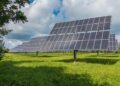
- Renewable Energy: Over 30% of Croatia’s energy consumption now stems from renewable sources, surpassing the EU average.
- Waste Recycling: Steady improvements with recycling rates climbing to near 50% in recent years.
- Air Quality: Urban centers still face challenges with particulate matter and nitrogen dioxide levels exceeding recommended thresholds.
- Biodiversity: Conservation efforts for protected habitats are ongoing but face pressures from tourism and infrastructure development.
| Environmental Indicator | Croatia | EU Average |
|---|---|---|
| Renewable Energy Usage | 31.5% | 22.1% |
| Waste Recycling Rate | 48.9% | 46.5% |
| Urban Air Quality (PM2.5 Levels) | 17 µg/m³ | 14 µg/m³ |
| Biodiversity Status | Moderate | Moderate |
In-Depth Analysis of Croatia’s Air Quality and Water Management Challenges
Croatia faces multifaceted environmental issues as air pollution levels occasionally surpass the thresholds set by the European Union. Urban and industrial centers, particularly Zagreb and Rijeka, report higher concentrations of particulate matter (PM10) and nitrogen dioxide (NO2), mainly due to road traffic emissions and heating systems during colder months. The government’s efforts to tackle these challenges include promoting cleaner public transport and transitioning towards renewable energy sources. However, despite progress, local air quality monitoring highlights persistent hotspots, emphasizing the need for stronger regulatory enforcement and public awareness campaigns.
Water management remains equally critical, with Croatia’s extensive coastline and inland waters facing pressures from tourism, agriculture, and urban development. Seasonal fluctuations challenge the sustainability of freshwater resources, alongside rising concerns about nutrient loading and contamination of groundwater reserves. Initiatives focused on improving wastewater treatment plants and controlling agricultural runoff have led to measurable improvements, but the balance between economic growth and ecological preservation is delicate. The table below outlines key water management indicators reflecting recent trends:
| Indicator | 2018 | 2023 | Change |
|---|---|---|---|
| Wastewater treated to EU standards (%) | 72 | 85 | +13% |
| Groundwater nitrate concentrations (mg/L) | 45 | 38 | -7 mg/L |
| Tourism-related water withdrawals (million m³) | 320 | 365 | +14% |
Strategic Recommendations to Boost Croatia’s Sustainable Development Efforts
Enhancing policy integration across sectors remains pivotal for Croatia to realize its sustainable development ambitions. Coordinated efforts between environmental, economic, and social policies can drive holistic progress. Strengthening regulatory frameworks to incentivize green innovation and renewable energy adoption will not only reduce carbon footprints but also stimulate new job markets. Additionally, fostering public-private partnerships can mobilize resources and expertise necessary to embed sustainability deeply into national development plans.
Investment in education and community engagement plays a critical role in sustaining long-term ecological stewardship. Raising awareness about green practices and encouraging citizen participation in local environmental initiatives builds resilient social structures. Prioritizing improvement in waste management infrastructure and water preservation techniques can combat pollution and safeguard Croatia’s diverse natural habitats. The table below outlines key focus areas and recommended actions for accelerating these efforts:
| Focus Area | Recommended Actions |
|---|---|
| Renewable Energy | Expand solar and wind infrastructure; provide subsidies for green tech |
| Waste Management | Implement advanced recycling programs; reduce plastic use |
| Community Engagement | Launch nationwide green awareness campaigns; support local initiatives |
| Water Preservation | Invest in modern irrigation; protect freshwater ecosystems |
In Summary
In summary, Croatia’s environmental progress, as highlighted by the European Environment Agency, underscores both significant achievements and ongoing challenges. As the country continues to align its policies with broader European sustainability goals, monitoring and addressing issues such as air and water quality, biodiversity, and waste management remain critical. The EEA’s data not only provides a clear picture of Croatia’s current environmental status but also serves as a vital tool for policymakers and stakeholders committed to fostering a greener future across the region.