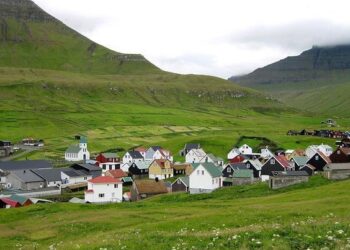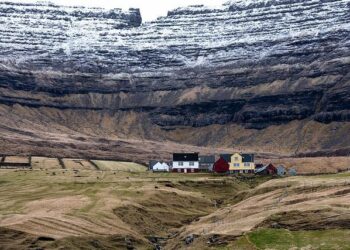
Danish architecture firm Henning Larsen has unveiled plans for an innovative “learning village” in the Faroe Islands, aiming to redefine educational environments in remote communities. The project, highlighted by Global Construction Review, combines sustainable design with local culture to create a dynamic campus that fosters collaboration and lifelong learning. Set against the dramatic North Atlantic landscape, the development marks a significant investment in the region’s educational infrastructure, signaling a new chapter for the Faroe Islands.
Henning Larsen Unveils Innovative Learning Village Concept Tailored to Faroe Islands Community
Henning Larsen has introduced a groundbreaking educational concept designed specifically for the Faroe Islands, blending traditional village life with modern learning methodologies. This innovative “learning village” integrates sustainable architecture with community-centric spaces, fostering collaboration among students, teachers, and local residents. Emphasizing adaptability to the rugged island environment, the design employs natural materials and maximizes daylight to create an inspiring and eco-conscious atmosphere. The village aims to be more than just a school; it’s envisioned as a living hub where education, culture, and nature converge seamlessly.
The project’s core features highlight a responsive educational framework, including:
- Flexible Learning Pods: Modular classrooms that can be reconfigured based on curriculum needs.
- Community Integration: Shared facilities such as greenhouses, libraries, and artisan workshops open to locals.
- Environmental Sustainability: Renewable energy sources and rainwater harvesting systems.
- Cultural Preservation: Spaces dedicated to Faroese heritage and arts to strengthen community identity.
| Feature | Benefit | Impact |
|---|---|---|
| Modular Classrooms | Customizable learning environments | Enhanced student engagement |
| Green Energy Systems | Reduced carbon footprint | Long-term cost savings |
| Community Workshops | Skills development for residents | Stronger social bonds |
Sustainable Design Strategies Drive Energy Efficiency and Local Material Use in Learning Village
Henning Larsen’s innovative approach integrates energy-efficient technologies with time-tested sustainable practices to minimize the environmental footprint of the learning village. Key elements such as passive solar design, natural ventilation, and high-performance insulation work synergistically to reduce energy consumption without compromising comfort. The buildings are strategically oriented to harness maximum daylight, while smart shading devices mitigate overheating during the summer months, ensuring optimal indoor climates year-round.
Emphasizing local material use, the project incorporates traditional Faroese construction resources like untreated timber and volcanic basalt, aligning aesthetic authenticity with ecological responsibility. This approach not only stimulates the local economy but also reduces carbon emissions associated with material transport. The use of these materials supports structural durability and offers natural resistance to the islands’ harsh weather conditions. Below is a brief overview of some primary materials and their sustainable benefits:
| Material | Source | Environmental Benefit |
|---|---|---|
| Untreated Timber | Local forests | Renewable and carbon-sequestering |
| Volcanic Basalt | Nearby quarries | Durable, minimal processing required |
| Sheep Wool Insulation | Local farms | Natural thermal and acoustic performance |
- Energy-saving systems integrated with renewable energy technologies
- Adaptive reuse of local materials ensures project longevity and cultural relevance
- Community-focused designs encourage user interaction with natural surroundings
Experts Recommend Integrating Cultural Heritage to Enhance Educational Environment in Remote Regions
The initiative in the Faroe Islands demonstrates a growing consensus among educational experts that local cultural heritage is pivotal in shaping inclusive and engaging learning spaces, particularly in isolated areas. By embedding traditional Faroese architectural motifs and sustainable building techniques, the village not only fosters a sense of identity among students but also encourages community participation. Experts argue that this approach helps students connect academic concepts with their immediate environment, enhancing both relevance and retention.
Key recommendations from specialists emphasize several core elements to maximize the benefits of culturally integrated education environments:
- Community Involvement: Engaging elders and cultural practitioners to bring authentic voices and stories into the curriculum.
- Local Materials: Utilizing native resources in construction to strengthen ecological ties and promote sustainability.
- Adaptive Learning Spaces: Designing flexible classrooms that facilitate various cultural activities alongside traditional lessons.
- Visual Narratives: Incorporating artwork and symbols reflecting regional history and folklore throughout the learning spaces.
| Element | Impact on Education | Faroe Islands Application |
|---|---|---|
| Cultural Storytelling | Enhances engagement and memory retention | Incorporated into community events at the learning village |
| Sustainable Building | Fosters environmental stewardship | Use of locally sourced timber and turf roofs |