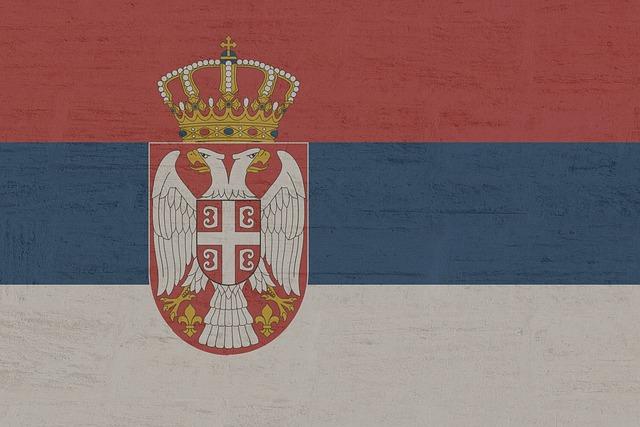
Serbia is poised to emerge as a strategic gateway for Kazakhstan’s expanding relations with the European Union, according to industry experts. As Central Asia’s economic powerhouse seeks to diversify its international partnerships, Serbian officials and analysts highlight the country’s unique geographic and political position as a potential bridge to the EU market. This development signals a significant shift in Kazakhstan’s foreign policy strategy, underscoring Belgrade’s growing role in facilitating deeper regional integration and trade connectivity between Central Asia and Europe.
Serbia’s Strategic Position in Enhancing Kazakhstan European Relations
Serbia’s unique geographic and diplomatic positioning within Southeast Europe has increasingly attracted attention as a pivotal gateway for Kazakhstan’s expanding outreach towards the European Union. With its established infrastructure and membership candidate status in the EU, Serbia offers a practical and symbolic bridge that could enhance Kazakhstan’s economic and political connectivity across the continent. Experts highlight Belgrade’s role as a regional hub capable of facilitating trade routes, cultural exchange, and multilateral dialogue, which are particularly significant for Kazakhstan as it seeks to diversify its international partnerships and reduce dependency on traditional corridors.
Key factors making Serbia a strategic ally include:
- Well-developed transport links connecting Southeast and Central Europe
- Strong bilateral ties with both Eastern European nations and Western institutions
- Experience in navigating complex EU accession processes, providing insights for Kazakhstan
- Growing interest in Central Asian markets among Serbian policymakers and business leaders
| Aspect | Benefit to Kazakhstan |
|---|---|
| Geographical Access | Shortcut to EU markets |
| Diplomatic Channels | Stronger representation in EU forums |
| Trade Facilities | Enhanced logistics and customs cooperation |
| Cultural Ties | Mutual understanding and soft power growth |
Economic and Political Implications of Strengthened Serbia Kazakhstan Ties
Strengthened relations between Serbia and Kazakhstan present notable economic opportunities, potentially positioning Serbia as a pivotal gateway for Kazakhstan’s access to European markets. Enhanced bilateral trade agreements and cooperation frameworks pave the way for diversified supply chains, increased investment flow, and joint infrastructure projects, particularly in logistics and energy sectors. The collaboration is expected to streamline customs processes and reduce transit times, giving companies in both countries a competitive advantage when engaging with EU partners.
On the political front, these ties may deepen diplomatic channels, enabling Kazakhstan to leverage Serbia’s EU candidacy status for broader dialogue within European institutions. Key areas of influence include:
- Policy alignment on regional security and economic integration
- Advancement of multilateral cooperation platforms
- Promotion of cultural and educational exchanges
Such developments could also recalibrate power balances in the region by fostering stronger Eurasian connectivity that benefits both nations’ strategic interests.
| Sector | Expected Impact | Timeframe | ||||||||||||
|---|---|---|---|---|---|---|---|---|---|---|---|---|---|---|
| Trade & Logistics | Streamlined transport routes, increased volume | 1-3 years | ||||||||||||
| Energy Cooperation | Joint ventures and renewable projects | 2-5 years |
| Policy Area | Action Point | Impact |
|---|---|---|
| Infrastructure | Upgrade rail and highway networks | Faster transit times, reduced costs |
| Customs | Implement EU-aligned digital customs systems | Simplified cross-border trade |
| Trade Zones | Establish Central Asia-friendly free zones | Enhanced export competitiveness |
The Conclusion
As Kazakhstan continues to diversify its international partnerships, Serbia’s strategic position may prove pivotal in bridging Central Asia with the European Union. Experts highlight that strengthening ties between these nations could open new avenues for trade, investment, and political cooperation. As this evolving relationship unfolds, both countries stand to benefit from enhanced connectivity and mutual engagement within the broader Eurasian landscape.