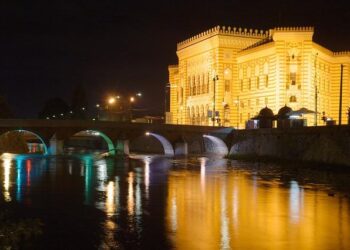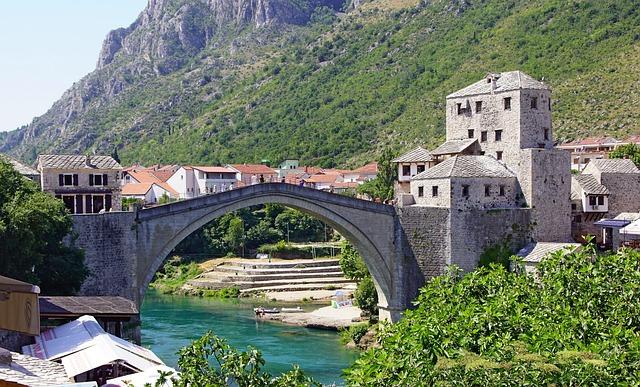
Bosnia-Herzegovina, a country nestled in the heart of the Balkans, remains a complex tapestry of history, culture, and politics. This BBC country profile explores the nation’s turbulent past, its post-war recovery, and the ongoing challenges it faces as it strives for stability and integration into the European community. Amid its diverse ethnic landscape and rich heritage, Bosnia-Herzegovina continues to navigate the legacies of conflict while seeking a path toward a peaceful and prosperous future.
Historical Legacy and Ethnic Divisions Shaping Modern Bosnia-Herzegovina
Bosnia-Herzegovina’s complex social fabric is deeply rooted in its turbulent history, where layers of imperial conquest, religious diversity, and political strife have all left indelible marks. The territory was once part of the Ottoman Empire, which introduced Islam and contributed to a rich multicultural heritage alongside the existing Orthodox Christian and Catholic populations. Later, Austro-Hungarian rule brought modernization but also heightened national tensions. These historical influences culminated in a patchwork of identities, creating a nation where three main ethnic groups-the Bosniaks, Serbs, and Croats-each hold distinct cultural and religious affiliations. The scars of the 1990s conflict further solidified these divisions, making ethnic identity a central and often contentious factor in contemporary politics and society.
Ethnic composition and political power-sharing remain critical to understanding the country’s governance structure today. The Dayton Agreement, which ended the Bosnian War in 1995, established a delicate balance designed to appease all groups but often results in political gridlock. Key features include:
- The Presidency rotates every eight months between representatives of the three constituent peoples.
- The country’s division into two autonomous entities: the Federation of Bosnia and Herzegovina (primarily Bosniak and Croat) and the Republika Srpska (mainly Serb).
- A complex parliamentary system requiring cooperation across ethnic lines to pass laws.
| Ethnic Group | Religion | Population Share (%) |
|---|---|---|
| Bosniaks | Islam | 50.1 |
| Serbs | Eastern Orthodox | 30.8 |
| Croats | Roman Catholic | 15.4 |
Economic Challenges and Opportunities in Post-Conflict Reconstruction
The aftermath of the conflict in Bosnia-Herzegovina presents a complex economic landscape characterized by both significant hurdles and remarkable potential. Persistent issues include high unemployment rates, a fractured industrial base, and widespread infrastructural damage. The country grapples with a challenging fiscal environment, burdened by government fragmentation and limited foreign investment, which have slowed the pace of economic recovery. Additionally, the regional disparities between the Federation of Bosnia and Herzegovina and Republika Srpska contribute to uneven development, complicating unified growth strategies.
Despite these obstacles, several key sectors offer avenues for revitalization and growth. The country’s fertile land and rich natural resources create strong prospects for sustainable agriculture and energy production. Furthermore, Bosnia-Herzegovina’s strategic position in Southeast Europe opens doors for expanding trade and tourism. Government initiatives alongside international aid programs prioritize:
- Infrastructure rehabilitation to support commerce and connectivity
- Small and medium-sized enterprise (SME) development to stimulate entrepreneurship
- Export diversification to reduce dependency on traditional markets
As the nation continues to stabilize politically, these economic opportunities remain crucial to securing long-term stability and growth.
| Economic Indicator | Value (2023) | Trend |
|---|---|---|
| Unemployment Rate | 17.5% | ↘ Slight Decline |
| GDP Growth | 3.1% | ↗ Moderate Increase |
| FDI Inflows | USD 450 million | → Stable |
Recommendations for Political Stability and Regional Integration
To foster enduring political stability, Bosnia-Herzegovina must prioritize institutional reforms that promote inclusivity and reduce ethno-political fragmentation. Strengthening the central government’s authority while respecting the autonomy of its entities can pave the way for cohesive governance. Additionally, transparent electoral processes coupled with the rigorous enforcement of anti-corruption measures are essential to rebuild public trust and ensure accountability within political structures.
Regional integration remains a crucial catalyst for economic growth and diplomatic relations. Deepening cooperation with neighboring countries through shared infrastructure projects, trade agreements, and cultural exchanges can unlock new opportunities and reinforce peacebuilding efforts. Key strategies include:
- Streamlined border controls to facilitate smoother movement of goods and people.
- Joint environmental initiatives addressing transnational challenges such as water management and pollution.
- Support for cross-border educational programs enhancing youth engagement and understanding.
| Focus Area | Proposed Action | Expected Outcome |
|---|---|---|
| Governance | Electoral reform & anti-corruption initiatives | Increased political accountability |
| Regional Trade | Simplify customs and tariffs | Boosted economic activity |
| Cultural Exchange | ||
| Cultural Exchange | Expand cross-border educational programs | Enhanced mutual understanding among youth |
Final Thoughts
As Bosnia-Herzegovina continues to navigate the complexities of its post-conflict recovery and political landscape, its rich cultural heritage and resilient population remain central to its ongoing story. Understanding the country’s history, diverse communities, and current challenges is essential for those looking to grasp the broader dynamics of the Balkans. For more detailed updates and in-depth analysis, stay tuned to the BBC’s comprehensive coverage.