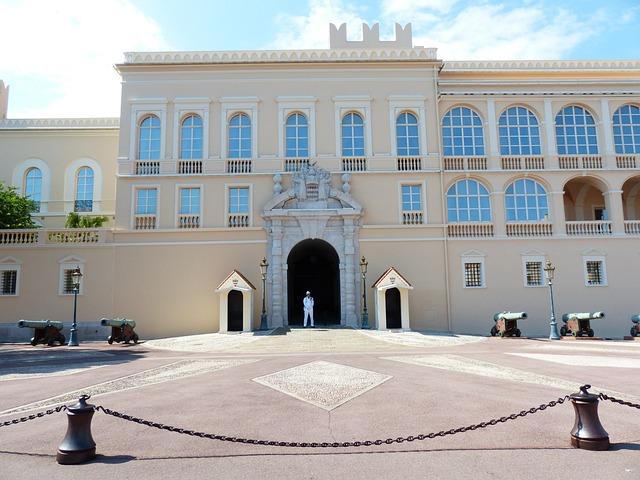
Monaco Palace has issued an urgent warning to the public regarding a surge in WhatsApp impersonation scams targeting residents and visitors alike. In a statement released today, officials detailed how fraudsters are using fake accounts to pose as trusted individuals in attempts to solicit money or sensitive information. The alert comes amid growing concerns over cybercrime on the French Riviera, with authorities urging vigilance and caution when receiving unsolicited messages on the popular messaging platform.
Monaco Palace Issues Alert on Rising WhatsApp Impersonation Scams
Monaco Palace officials have issued a stern warning following a surge in WhatsApp impersonation scams targeting residents and visitors alike. Scammers masquerade as trusted contacts, often pretending to be family members or officials, to solicit money transfers or sensitive personal information. Authorities emphasize vigilance, urging users to verify the identities of contacts through alternative communication methods before responding to urgent requests.
The warning highlights key tactics used in these scams, including:
- Creating convincing fake profiles using stolen photos and names.
- Sending urgent messages to exploit emotions and induce panic.
- Requesting immediate financial transactions under false pretenses.
In response, Monaco’s cybersecurity teams recommend the following preventive measures:
| Recommended Actions | Details |
|---|---|
| Double-check identities | Contact through known phone numbers or email addresses. |
| Enable two-step verification | Adds an extra layer of security to WhatsApp accounts. |
| Report suspicious activity | Notify local authorities or WhatsApp support immediately. |
Details of the Fraudulent Tactics Targeting Citizens and Tourists
Scammers have been exploiting WhatsApp’s instant messaging platform by impersonating officials linked to the Monaco Palace and other prominent Riviera institutions. Victims are typically contacted via a message that appears to come from legitimate authorities, often featuring official-sounding language and logos. The fraudsters commonly request sensitive personal information, including passport details, credit card numbers, or direct payments under the guise of “security verification” or “administrative fees.”
Key tactics used in this scam include:
- Using fake WhatsApp profiles that mimic official Monaco Palace representatives
- Sending urgent messages pressuring victims to act immediately, often within hours
- Requesting money transfers via untraceable methods such as cryptocurrency or wire transfers
- Sharing fraudulent links that trigger malware or phishing sites
| Fraudulent Message | Common Claim | Requested Action | ||||||
|---|---|---|---|---|---|---|---|---|
| “Official Monaco Security Check” | Verification of identity due to a security alert | Send ID scan and payment for admin fees | ||||||
| “Emergency Visa Update” | Urgent update required to legal documents | Click on fake link to provide personal data | ||||||
| Continued Table Example | Fraudulent Message | Common Claim | Requested Action | Additional Guidance to Stay Safe:
If you want, I can provide a full article, a set of anti-scam tips, or a social media post based on this content. Let me know how you’d like to proceed! Expert Advice on How to Identify and Protect Against WhatsApp ScamsRecognizing WhatsApp impersonation scams is essential as attackers adopt increasingly sophisticated tactics. Scammers typically create profiles mimicking official accounts or trusted contacts, often using similar profile photos and names with subtle spelling differences. Warning signs include urgent requests for money transfers, unexpected links claiming to be updates or deals, and messages urging secrecy to avoid detection. Always verify by contacting the person or organization through a different communication channel before engaging. To safeguard yourself, follow these expert tips:
|