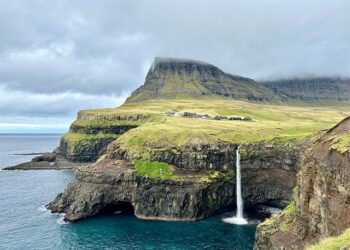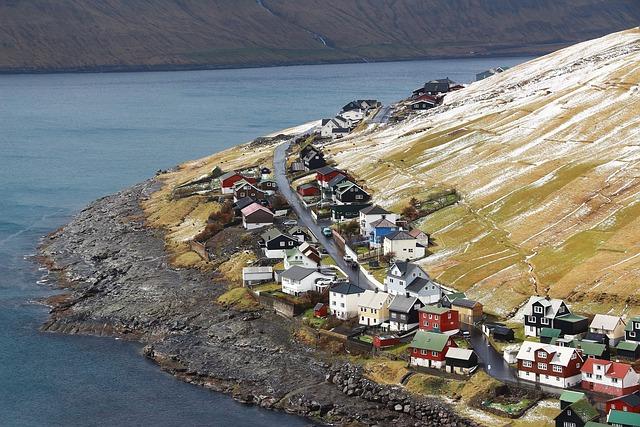
Tourists are increasingly drawn to the dramatic landscapes and unique culture of the Faroe Islands, sparking a surge in visitor numbers in recent years. However, this growing influx has met with concern and resistance from local residents, who worry about the impact of mass tourism on their fragile environment and traditional way of life. As the Faroe Islands grapple with balancing economic benefits from tourism against preserving their community identity, tensions between visitors and locals are coming into sharper focus.
Tourism Boom in the Faroe Islands Sparks Cultural Clashes
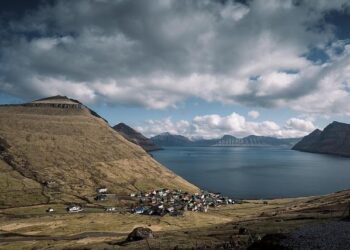
In recent years, the Faroe Islands have witnessed an unprecedented surge in visitor numbers, transforming the remote archipelago from a hidden gem into a bustling tourist hotspot. However, this rapid influx has ignited tensions between local residents and tourists, with many Faroese expressing concerns over the strain on their environment and traditional way of life. Small villages, once quiet and close-knit, are now grappling with overcrowded trails, noise pollution, and increased waste, challenging the community’s ability to maintain its cultural identity.
Key areas of contention include:
- Unauthorized access to private land disrupting local farming practices
- Damage to fragile natural ecosystems caused by off-trail hiking
- Commercialization of cultural events undermining their authenticity
- Rising property prices influenced by vacation home purchases
| Issue | Impact | Community Response |
|---|---|---|
| Trail Erosion | Increased maintenance costs | Installation of designated pathways |
| Noise Pollution | Disruption to local wildlife and residents | Enforcement of quiet hours in villages |
| Littering | Environmental degradation | Community-led clean-up campaigns |
Local Communities Voice Concerns Over Environmental Impact
Residents of the Faroe Islands have increasingly voiced unease over the rapid influx of visitors disrupting the fragile ecosystem. Many locals argue that the surge in tourism, while economically beneficial, threatens the unique flora and fauna that define the region’s natural heritage. Concerns center around the wear and tear on hiking trails, increased litter, and disturbances to wildlife habitats. These environmental pressures, locals say, risk changing the island’s character and could endanger species that rely on its pristine conditions.
Key issues raised by community members include:
- Overcrowding at popular natural sites causing soil erosion
- Improper waste disposal leading to pollution of rivers and sea
- Disruption of traditional fishing and farming practices
- Lack of infrastructure to sustainably handle tourist volume
| Environmental Concern | Reported Impact |
|---|---|
| Trail Erosion | 40% increase in wear on key hiking paths |
| Marine Pollution | Visible increase in plastic waste near shores |
| Wildlife Disturbance | Decline in nesting seabirds by 25% |
| Noise Pollution | Rising complaints during peak seasons |
Strategies for Sustainable Tourism and Preserving Faroese Heritage
To balance the influx of visitors with the preservation of the Faroese way of life, local communities and authorities are adopting innovative approaches that promote responsible travel. Initiatives include limiting the number of tourists during peak seasons, promoting eco-friendly accommodations, and fostering direct engagement between travelers and residents to encourage cultural exchange and mutual respect. Emphasis on guided tours led by locals not only protects vulnerable natural sites but also ensures that tourism revenue supports Faroese families and artisans.
Education plays a pivotal role in these efforts, with campaigns designed to inform visitors about the importance of respecting traditional practices, such as sheep grazing and local festivals. The Faroese government and tourism board have collaborated on incentive programs for businesses that align with sustainable principles. The following table highlights key elements shaping this strategic approach:
| Strategy | Impact | Stakeholders |
|---|---|---|
| Visitor Quotas | Preserves delicate ecosystems | Local Authorities, Tour Operators |
| Community-led Tours | Boosts local economy & cultural awareness | Faroese Communities |
| Educational Campaigns | Reduces cultural conflicts | Tourism Boards, Schools |
| Eco-friendly Infrastructure | Minimizes environmental footprint | Businesses, Government |
- Support local craftsmanship: Encouraging tourists to buy traditional Faroese products to sustain heritage trades.
- Seasonal travel incentives: Promoting off-season visits to reduce pressure on key sites.
- Waste management programs: Implementing stricter rules to keep landscapes pristine and prevent pollution.
Concluding Remarks
As tourism continues to surge in the Faroe Islands, the delicate balance between economic opportunity and cultural preservation remains at the forefront of local discourse. While visitors are drawn to the islands’ rugged landscapes and unique heritage, residents grapple with the pressures of increased foot traffic and infrastructure demands. How the Faroe Islands navigate this growing influx will be critical in shaping the future of this remote North Atlantic community.