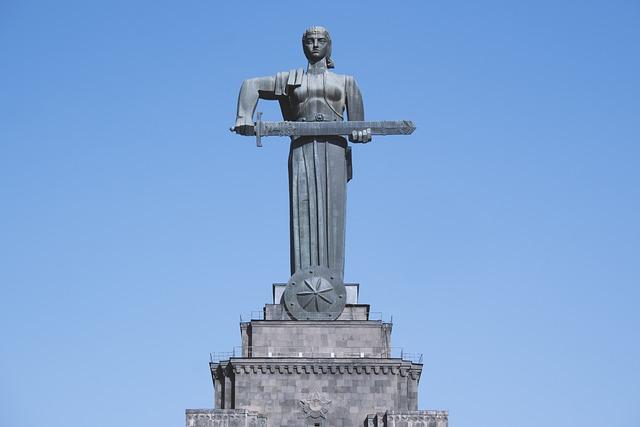
On March 13, significant diplomatic developments unfolded in the South Caucasus as Armenia took center stage with a key address to the European Union. Against the backdrop of ongoing regional tensions, the announcement of a prospective peace deal has raised hopes of easing longstanding conflicts while simultaneously altering the geopolitical risk landscape. Analysts at Meyka highlight how these moves could reshape stability and influence power dynamics across the South Caucasus, marking a pivotal moment for Armenia and its neighbors.
EU Address Signals Renewed Diplomatic Efforts in Armenia
The European Union has intensified its diplomatic engagement with Armenia amid ongoing tensions in the South Caucasus. Following recent developments, EU representatives underscored their commitment to fostering stability through dialogue and cooperation with Armenian authorities. This renewed effort signals a strategic pivot towards preventive diplomacy, aiming to curb potential escalations by encouraging inclusive negotiations and confidence-building measures between conflicting parties.
Key focuses of the EU’s initiative include:
- Strengthening regional security frameworks to mitigate risks of renewed conflict.
- Facilitating humanitarian aid to displaced populations affected by recent unrest.
- Supporting economic recovery by promoting cross-border trade and investment.
These concerted efforts coincide with tentative progress in peace talks, underscoring the EU’s role as a critical mediator in the volatile South Caucasus landscape.
| Focus Area | Key Actions | Expected Outcomes |
|---|---|---|
| Security | Deploy observers, enhance communication channels | Reduced hostilities, trust building |
| Humanitarian | Provide aid, rebuild shelters | Improved living conditions |
| Economic | Facilitate trade agreements, investment incentives | Revitalized local economies |
Peace Deal Raises Complex Security Challenges in the South Caucasus
The recent peace accord in the South Caucasus, brokered under EU facilitation, marks a significant step toward regional stability but simultaneously exposes new layers of security complexities. Key flashpoints remain unresolved, with ambiguous territorial clauses and the ongoing presence of armed groups along critical corridors provoking unease among local populations and neighboring states. Analysts warn that without robust monitoring and confidence-building measures, the risk of localized clashes could escalate, undermining the fragile peace.
Primary security concerns emerging from the deal include:
- The undefined status of strategic border zones creating ambiguity in control and sovereignty.
- Challenges related to disarmament and integration of former combatants into civilian life.
- Potential interference from external actors exploiting the vacuum for geopolitical leverage.
| Security Challenge | Implications | Mitigation Approach |
|---|---|---|
| Border Ambiguity | Increased risk of territorial disputes | Joint EU-led border commissions |
| Demobilization | Potential resurgence of armed factions | Comprehensive reintegration programs |
| External Influence | Geopolitical destabilization attempts | Heightened diplomatic engagement |
Experts Recommend Strengthening Regional Dialogue and Conflict Prevention Mechanisms
Leading analysts emphasize the urgent need for enhanced cooperation among South Caucasus nations to mitigate escalating tensions. With recent developments underscoring fragile peace prospects, experts advocate for the establishment of comprehensive regional forums that foster direct communication channels among conflicting parties. These dialogues aim to build mutual trust, clarify contentious issues, and create frameworks for sustainable conflict prevention that go beyond reactive diplomacy.
In addition, specialists recommend implementing multi-layered mechanisms that include early warning systems, joint peacekeeping initiatives, and inclusive community engagement. Key priorities highlighted include:
- Cross-border collaboration on security and economic projects
- Regularized mediation platforms involving local and international stakeholders
- Capacity building for civil society organizations to promote dialogue at grassroots levels
| Mechanism | Objective | Key Actors |
|---|---|---|
| Early Warning Systems | Prevent escalation | Regional agencies, NGOs |
| Mediation Forums | Facilitate dialogue | Government reps, EU envoys |
| Community Outreach | Enhance local trust | Civil society groups |
Concluding Remarks
As Armenia navigates a complex geopolitical landscape, the recent EU address and prospects for a peace deal underscore both opportunities and risks in the South Caucasus region. Stakeholders will be closely monitoring developments, as the balance between diplomacy and regional tensions remains delicate. Continued international engagement and dialogue appear crucial to fostering stability and progress in this strategically significant area.