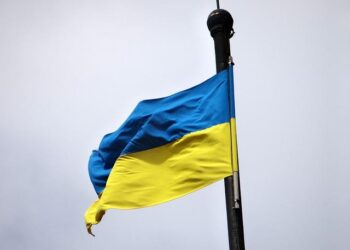
Chisinau – Moldova has officially initiated its withdrawal from the Russia-led Commonwealth of Independent States (CIS), marking a significant step in the country’s ongoing pivot towards European integration. The decision, confirmed by government officials and reported by Reuters, underscores Moldova’s intent to distance itself from Russian-dominated regional structures amid escalating geopolitical tensions. This move is expected to reshape Moldova’s diplomatic and economic alignments in a volatile post-Soviet landscape.
Moldova’s Exit from Russia-Led CIS Signals Shift in Regional Alliances
Moldova’s decision to exit the Commonwealth of Independent States (CIS), a regional organization dominated by Russia, marks a significant recalibration of its foreign policy priorities. The move underscores Chisinau’s growing desire to strengthen ties with European institutions and diminish Moscow’s historical influence in the country’s political and economic affairs. Analysts view this as part of a broader trend in Eastern Europe where former Soviet republics seek closer integration with the West amid ongoing geopolitical tensions.
Key implications of Moldova’s withdrawal include:
- Economic realignment: Potential shifts in trade partnerships, reduced dependency on Russian markets, and increased engagement with EU economies.
- Security dynamics: Reassessing defense cooperation frameworks and possible escalation of diplomatic friction with Russia.
- Regional balance: Signal to neighboring states about the viability of distancing from Russia-led blocs in favor of alternative allegiances.
| Aspect | Before Withdrawal | Expected After Withdrawal |
|---|---|---|
| Trade Orientation | Predominantly CIS partners | EU and global markets |
| Political Alignment | Russia-led consortium | European integration |
| Security Collaboration | CIS Security Agreements | NATO partnership potential |
Economic and Political Implications of Moldova’s Withdrawal from the CIS
Moldova’s decision to exit the Commonwealth of Independent States (CIS) marks a significant shift in its geopolitical orientation, reflecting a broader move away from Russian influence. Economically, this withdrawal is expected to disrupt existing trade patterns and cooperation frameworks that have long tied Moldova to CIS member states, particularly Russia. Industries relying on preferential trade agreements may face new tariffs and regulatory hurdles, increasing costs and potentially impacting export-driven sectors such as agriculture and manufacturing. However, this move also opens doors for Moldova to strengthen ties with the European Union and diversify its trade partnerships.
Politically, Moldova’s departure signals an assertive step toward greater sovereignty and alignment with Western institutions, a stance likely to reverberate across the region. This may exacerbate tensions with Russia and complicate negotiations on regional security and energy supplies. On the other hand, it may bolster Moldova’s internal reforms by attracting increased international support and investment, facilitating democratic and economic progress. Key political outcomes to watch include:
- Heightened diplomatic friction with CIS members, particularly Russia and Belarus.
- Increased engagement with the European Union and transatlantic institutions.
- Acceleration of domestic reforms in governance, rule of law, and economic policy.
- Potential energy realignment away from Russian supplies toward European sources.
| Aspect | Before Withdrawal | After Withdrawal |
|---|---|---|
| Trade Relations | Preferential tariffs within CIS | Potential tariffs; EU market focus |
| Diplomatic Relations | Aligned with CIS and Russian policies | Closer ties with EU and Western institutions; strained CIS ties |
| Energy Dependence | Major reliance on Russian energy supplies | Shift toward European energy sources; diversification efforts |
| Domestic Reforms | Moderate pace, influenced by CIS standards | Accelerated reforms aligned with EU norms |
| Security Cooperation | Regional security tied to CIS frameworks | Exploration of security partnerships beyond CIS |
| Key Area | Recommended Action | Expected Impact |
|---|---|---|
| Economic Cooperation | New trade deals with EU & neighbors | Economic diversification & growth |
| Energy | Investment in renewable sources | Reduced energy dependence |
| Security | Modernizing border controls | Moldova’s Path Forward: Strategic Recommendations Overview: Priorities for Capitalizing on Independence from CIS:
Key Areas, Recommended Actions, and Expected Impacts| Key Area | Recommended Action | Expected Impact | If you want, I can help you complete or extend the table or refine any part of the recommendations! The Way ForwardAs Moldova moves forward with its formal withdrawal from the Russia-led Commonwealth of Independent States (CIS), the decision marks a significant step in the country’s ongoing realignment away from Moscow’s sphere of influence. This development underscores the shifting geopolitical landscape in Eastern Europe amid heightened tensions between Russia and Western-aligned nations. Observers will be closely watching how Moldova’s departure from the CIS impacts its diplomatic and economic relations both regionally and internationally. ADVERTISEMENT  Related Posts |