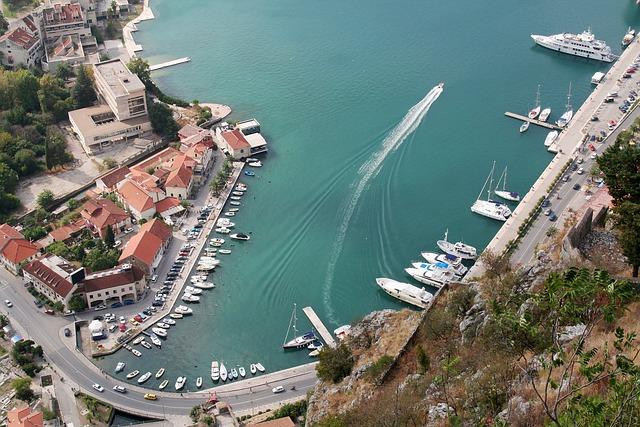
Montenegro has taken a significant step forward in its long-standing bid to join the European Union, marking a new milestone in the accession process, according to Balkan Insight. The latest developments underscore the country’s ongoing reforms and commitment to meeting the stringent criteria set by Brussels. As Montenegro continues to align itself with EU standards, this progress signals a renewed momentum in its journey toward full membership, amidst the complex political and economic landscape of the Western Balkans.
Montenegro Advances Key Reforms Strengthening EU Accession Prospects
Montenegro has taken significant strides towards aligning its domestic policies with the European Union’s stringent accession criteria. Recent legislative adjustments focus on strengthening the rule of law, enhancing judicial independence, and promoting transparent governance. These reforms are seen as integral in addressing longstanding concerns raised by the EU, particularly in areas of anti-corruption measures and the fight against organized crime. The government’s commitment is further demonstrated by accelerated implementation timelines and the establishment of specialized bodies to monitor progress.
Key reform areas include:
- Reinforcement of judicial reforms to ensure impartiality and efficiency
- Introduction of stricter anti-corruption frameworks and accountability mechanisms
- Enhancement of media freedom protections and civil society engagement
- Improvement in public administration transparency and service delivery
| Reform Area | Status | Impact |
|---|---|---|
| Judicial Independence | Advanced | Improved case processing and legal certainty |
| Anti-Corruption Measures | Ongoing | Enhanced oversight and reduced graft |
| Media Freedom | Progressing | Stronger protections for journalists |
| Public Administration | Implemented | Greater transparency and efficiency |
Economic and Judicial Overhauls Drive Progress Amid Regional Challenges
Montenegro’s commitment to comprehensive economic reform has become a pivotal element in its EU accession journey. Efforts to streamline public finances, enhance investment climates, and improve fiscal transparency are gaining traction despite ongoing regional economic uncertainties. Key measures include bolstering small and medium enterprises (SMEs), reducing administrative barriers, and increasing foreign direct investment through targeted incentives. These initiatives aim to foster sustainable growth, align market practices with EU standards, and mitigate the impact of external economic pressures, notably from neighboring economies grappling with instability.
Parallel advances in the judicial sector reflect Montenegro’s dedication to upholding the rule of law and strengthening institutional integrity. Recent reforms have focused on:
- Improving judicial independence by restructuring appointment processes and ensuring transparency
- Combating corruption through enhanced legal frameworks and specialized anti-corruption bodies
- Optimizing case management to reduce backlog and accelerate the delivery of justice
These judicial reforms, supported by robust EU monitoring mechanisms, serve as a cornerstone for building public trust and demonstrating Montenegro’s ability to conform to the Union’s stringent legal norms amid regional complexities.
| Sector | Key Reform | Status |
|---|---|---|
| Economy | SME Support Programs | Active |
| Judiciary | Anti-Corruption Legislation | Under Review |
| Public Finance | Fiscal Transparency | Ongoing |
Experts Urge Continued Commitment to Rule of Law and Anti-Corruption Measures
Leading European governance experts emphasize that Montenegro’s recent progress on its EU integration journey hinges critically on the sustained enforcement of the rule of law and the intensification of anti-corruption initiatives. While acknowledging the government’s efforts in judicial reforms, stakeholders caution that without uninterrupted dedication to transparency and accountability, the advances risk stagnation. Experts argue that strengthening institutional frameworks, increasing judicial independence, and enhancing anti-corruption agencies are essential to building public trust and aligning with European Union standards.
Concrete measures recommended by observers include:
- Enhanced oversight of public officials and political financing
- Streamlined judicial procedures to reduce case backlogs and increase efficiency
- Expanded civil society involvement in monitoring reform progress
- Robust whistleblower protections to encourage reporting of corrupt practices
| Reform Area | Current Status | Recommended Action |
|---|---|---|
| Judicial Independence | Moderate | Increase funding and autonomous oversight bodies |
| Anti-Corruption Enforcement | Emerging | Strengthen investigative capacities and sanctions |
| Transparency | Developing | Mandate public asset declarations and open data portals |
Final Thoughts
As Montenegro advances steadily toward European Union membership, this latest milestone underscores both the country’s commitment to comprehensive reforms and the EU’s ongoing support for enlargement in the Western Balkans. While challenges remain on the road ahead, Montenegro’s progress signals a significant step in the region’s broader integration ambitions, reflecting a shared vision for stability, democracy, and economic development. Observers will be watching closely as the country continues to navigate the complexities of the accession process in the months to come.