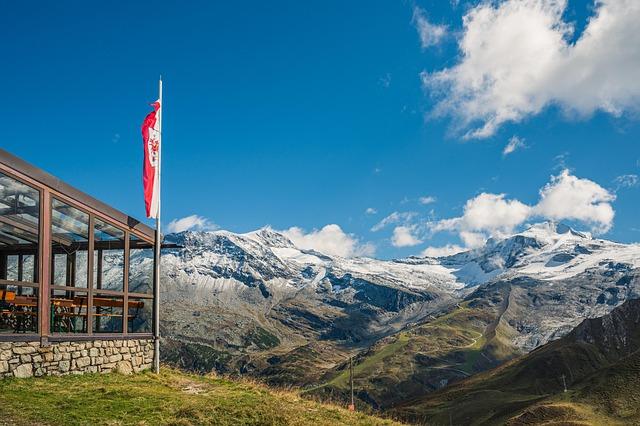
Austria’s glaciers are continuing to shrink at an alarming rate, with nearly all of the country’s 96 glaciers retreating over the past two years, according to experts. Only two glaciers have remained stable amid ongoing climate pressures, highlighting the accelerating impact of rising temperatures on the Alpine region’s iconic ice masses. The latest findings underscore growing concerns over the future of Austria’s glacial landscapes and the broader environmental implications of their rapid decline.
Austria’s Glaciers Face Widespread Retreat Amid Rising Temperatures
In a striking display of environmental change, recent studies confirm that 94 out of Austria’s 96 glaciers have experienced measurable retreat over the past two years. This widespread reduction in icy mass mirrors global trends linked to accelerating climate change, with rising temperatures playing a pivotal role. The shrinking glaciers, which serve as crucial freshwater reservoirs and natural landmarks, face an uncertain future as warm spells grow longer and snowfall decreases.
Experts emphasize several contributing factors behind the glaciers’ decline, including:
- Temperatures consistently above historical averages, especially during summer months
- Reduced winter snowfall, limiting ice replenishment
- Increased frequency of heat waves and prolonged warm periods
- Changes in precipitation patterns altering snowpack formation
| Metric | 2019-2021 | Historical Average |
|---|---|---|
| Number of Retreating Glaciers | 94 | 89 |
| Average Ice Loss (meters) | 12.4 | 7.8 |
| Summer Temperature Increase (°C) | +1.7 | +0.9 |
Experts Detail the Environmental and Economic Impacts of Glacier Loss
The retreat of Austria’s glaciers has far-reaching consequences that extend well beyond the immediate visual loss of ice masses. Experts emphasize that this phenomenon significantly disrupts local ecosystems, leading to diminished freshwater supplies crucial for both wildlife and human consumption. Hydrological cycles become destabilized, impacting downstream agriculture and posing serious risks to drinking water availability during warmer months. Additionally, glacier recession accelerates soil erosion and reduces natural barriers against flooding, increasing regional vulnerability to natural disasters.
Economically, the shrinking glaciers pose a considerable threat to Austria’s tourism sector, which heavily relies on winter sports and alpine attractions. Mountain communities dependent on glacier-fed rivers face growing challenges, including:
- Reduced hydroelectric power generation
- Declines in winter tourism revenue
- Increased costs of infrastructure maintenance due to unstable terrain
The following table illustrates the estimated percentage decrease in glacier mass compared to corresponding drops in local tourism influx and hydroelectric output over the past two years:
| Glacier Mass Loss (%) | Tourism Decline (%) | Hydroelectric Output Drop (%) |
|---|---|---|
| 42% | 28% | 15% |
| 37% | 23% | 12% |
Calls for Urgent Climate Action and Sustainable Practices to Preserve Alpine Ice
Experts emphasize that the alarming retreat of 94 out of 96 glaciers across Austria over the past two years is a stark indicator of accelerated climate change, prompting an urgent need for comprehensive and sustained environmental policies. The shrinking ice masses not only threaten alpine ecosystems but also jeopardize water security and local economies reliant on winter tourism. Scientists warn that without immediate reductions in carbon emissions, the irreversible loss of these glaciers could accelerate, fundamentally altering the region’s natural landscape.
To counter this crisis, authorities and environmental groups are advocating a combination of innovative and traditional strategies aimed at fostering resilience and sustainable living in alpine regions. Key recommendations include:
- Implementing stricter emissions regulations across energy and transportation sectors.
- Promoting sustainable tourism that minimizes environmental footprints and supports local conservation efforts.
- Investing in glacier monitoring technology to better track changes and forecast impacts.
- Raising public awareness about climate impacts and responsible resource consumption.
| Metric | 2019 | 2023 | % Change |
|---|---|---|---|
| Total Glacier Area (km²) | 370 | 320 | -13.5% |
| Summary: Experts highlight a dramatic retreat of 94 out of 96 glaciers in Austria over two years, signaling rapid climate change. This decline endangers alpine ecosystems, water security, and winter tourism-based economies. Without swift carbon emission cuts, this glacier loss could become irreversible, drastically changing the region’s natural environment. Key Recommendations to Mitigate the Crisis:
Important Data (2019 vs. 2023): | Metric | 2019 | 2023 | % Change | If you want, I can also help format this information for a presentation, report, or social media post. Just let me know! The Way ForwardAs Austria’s glaciers continue to shrink at an unprecedented pace, the stark reality of climate change becomes ever more apparent. With 94 of the country’s 96 glaciers retreating over the past two years, experts warn that without significant global efforts to reduce greenhouse gas emissions, these vital natural landmarks may vanish entirely in the coming decades. The ongoing loss not only threatens Austria’s environment but also its water resources and tourism industry, underscoring the urgent need for comprehensive climate action. ADVERTISEMENT  Related Posts |