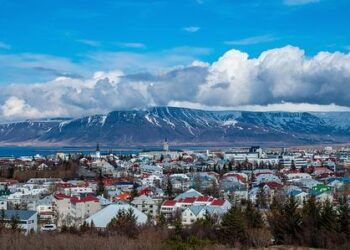
Iceland is preparing to accelerate its legislative process on a potential referendum regarding European Union membership, signaling a significant shift in the country’s approach to its relationship with the bloc. As discussions gain momentum amid changing geopolitical and economic dynamics, Reykjavik’s move to fast-track the vote underscores growing public and political interest in reconsidering EU integration after years of ambivalence. This development comes at a critical juncture for both Iceland and the EU, highlighting the complex interplay of national sovereignty, economic strategy, and regional cooperation.
Iceland Moves to Accelerate EU Membership Vote Amid Rising Economic and Political Pressures
Iceland is intensifying efforts to bring forward a national referendum on European Union accession as the country grapples with mounting economic uncertainties and shifting geopolitical dynamics. Recent fluctuations in global markets, combined with domestic political shifts, have heightened public debate over the benefits and drawbacks of EU membership. Officials suggest that accelerating the vote could provide a clearer roadmap for Iceland’s future, especially in areas such as trade policy, fisheries management, and climate action.
Key factors influencing the decision include:
- Volatile energy prices threatening small economies
- Pressures from neighboring Nordic countries advancing EU integration
- Growing public demand for stability and investment opportunities
| Aspect | Potential Impact |
|---|---|
| Trade | Access to single market and customs union |
| Fisheries | Regulatory adjustments, quota negotiations |
| Political | Alignment with EU foreign policy frameworks |
Analyzing the Potential Impacts of EU Integration on Iceland’s Fisheries and Energy Sectors
Iceland’s prospective EU accession holds significant implications for its fisheries sector, a cornerstone of its economy and cultural identity. Integration into the Common Fisheries Policy (CFP) could reshape access rights, quota allocations, and sustainability measures. While alignment with EU regulations promises improved stock management and potential market expansion, it may also introduce constraints on Iceland’s autonomous control over its rich marine resources. Stakeholders express concern that shared quotas could limit Iceland’s traditional fishing freedoms, impacting local livelihoods and the nation’s export capacity.
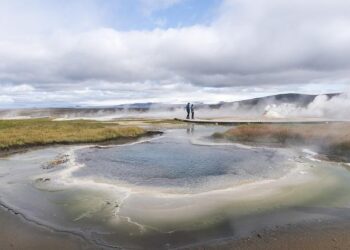
The energy sector, dominated by renewable geothermal and hydropower resources, stands to gain from closer EU ties, particularly through access to green financing and collaborative infrastructure projects. EU integration could accelerate Iceland’s transition to a carbon-neutral economy while enhancing energy export opportunities through grid interconnections with mainland Europe. However, compliance with EU energy regulations might require adjustments in national policies and investment priorities.
- Fisheries: Potential quota redistribution, stricter sustainability rules
- Energy: Enhanced funding, integration with EU energy networks
- Economic: Diversification of export markets, regulatory compliance
- Environmental: Stronger conservation frameworks, innovation incentives
| Sector | Opportunity | Challenge |
|---|---|---|
| Fisheries | Access to EU markets and sustainable management funding | Reduced control over national fishing quotas |
| Energy | Collaborative renewable projects and green investments | Adaptation to EU energy policies and standards |
Recommendations for Stakeholders Navigating Iceland’s Rapid EU Accession Process
With Iceland poised to expedite its EU membership vote, stakeholders must prioritize clear communication and adaptive strategies to manage this unprecedented acceleration. Government bodies should enhance inter-agency coordination to ensure harmonized messaging and reduce bureaucratic obstacles that could delay the accession timeline. Meanwhile, business leaders are encouraged to conduct rapid impact assessments focusing on trade, regulatory compliance, and labor mobility to align their operations with forthcoming EU standards.
Engagement with civil society and the public remains critical amid this swift process. Stakeholders should consider:
- Hosting targeted forums to address concerns and disseminate factual updates
- Utilizing digital platforms for real-time feedback gathering
- Collaborating with EU advisors to anticipate regulatory shifts and funding opportunities
| Stakeholder | Priority Action | Expected Outcome | |||||||
|---|---|---|---|---|---|---|---|---|---|
| Government Agencies | Streamline inter-agency workflows and public communication | Faster decision-making, increased public trust | |||||||
| Business Sector | Conduct rapid market and compliance assessments | Better preparedness, smoother integration |
| Stakeholder | Priority Action | Expected Outcome |
|---|---|---|
| Government Agencies | Streamline inter-agency workflows and public communication | Faster decision-making, increased public trust |
| Business Sector |