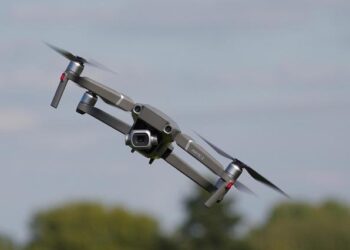
In response to escalating aerial threats in the Baltic region, Latvia, Estonia, and Lithuania are urging NATO to accelerate the development and deployment of advanced anti-drone capabilities. The three Baltic states, situated on the alliance’s eastern flank, emphasize the growing risk posed by unmanned aerial systems amid heightened geopolitical tensions. As reported by Escudo Digital, this collective call reflects a broader push within NATO to bolster its defense posture against increasingly sophisticated drone incursions, aiming to safeguard critical infrastructure and maintain regional security.
Latvia Estonia and Lithuania Urge NATO to Strengthen Anti-Drone Defense Systems
The Baltic states of Latvia, Estonia, and Lithuania are intensifying their calls for NATO to bolster its anti-drone defenses amid growing concerns over unmanned aerial vehicle (UAV) threats along their eastern borders. Officials have highlighted the increasing frequency of drone incursions in the region, emphasizing the urgent need for a coordinated and technologically advanced response. Their appeal focuses on enhancing existing systems with cutting-edge detection, tracking, and interception capabilities to prevent potential surveillance, sabotage, or attacks by hostile actors.
Key demands put forth by the Baltic governments include:
- Deployment of Integrated Radar and Electronic Warfare Tools: To improve early warning and jamming effectiveness against UAVs.
- Investment in Portable Counter-Drone Devices: Allowing rapid response by ground units in critical locations.
- Improved Information Sharing Mechanisms: Strengthening cross-border collaboration and real-time intelligence exchange between NATO allies.
These measures aim to create a multi-layered defense network, significantly reducing vulnerabilities posed by drones. Experts agree that such enhancements would not only protect military assets but also safeguard civilian infrastructure and airspace in this geostrategically sensitive area.
Strategic Challenges Posed by Drone Threats in the Baltic Region
As drone technology evolves, the Baltic states find themselves facing an array of complex security dilemmas. These compact, agile devices have transformed modern reconnaissance and asymmetrical warfare, complicating traditional defense postures. Latvia, Estonia, and Lithuania recognize that their geographic proximity to key strategic interests and unstable regions increases vulnerability to unauthorized drone incursions, surveillance, and potential weaponization. The challenge extends beyond simple detection, demanding a sophisticated, layered approach that integrates electronic warfare, kinetic interceptors, and AI-powered tracking systems.
Key obstacles in addressing the drone threat include:
- Rapid proliferation of commercial and militarized drones that can be deployed with minimal training
- Difficulty in differentiating hostile drones from civilian devices in densely populated urban and rural areas
- Limitations of current radar and sensor networks to detect low signature, small-sized drones
- Need for real-time threat assessment amid electronic countermeasures and GPS spoofing tactics
| Capability | Current Status | Required Enhancement |
|---|---|---|
| Detection Range | Up to 5 km | Extend to 15+ km |
| Automated Threat Identification | Basic AI Pattern Recognition | Advanced Machine Learning Integration |
| Electronic Jamming | Limited Frequency Bands | Broad Spectrum Coverage |
| Kinetic Interceptor Deployment | Minimal, Ad Hoc | Permanent, Networked Systems |
Recommendations for Enhancing NATO’s Integrated Counter-Drone Capabilities
To fortify NATO’s defense posture against the growing drone threat, collaboration between member states must be significantly enhanced. Baltic nations advocate for the creation of a centralized drone threat intelligence-sharing platform that facilitates real-time data exchange across borders, enabling faster identification and neutralization of hostile unmanned aerial systems. Furthermore, NATO should invest in cutting-edge electronic warfare technologies capable of jamming or hijacking enemy drones without causing collateral damage to civilian infrastructure. This proactive approach requires upgrading detection systems with AI-driven analytics that can instantly assess the intent and capabilities of incoming drones.
Equally vital is the emphasis on joint training exercises focused on counter-drone tactics, ensuring interoperability among NATO forces. Calls have also been made to standardize procurement processes to speed up deployment of compatible counter-drone solutions within the alliance. The table below outlines core focus areas proposed by Latvia, Estonia, and Lithuania to achieve a cohesive and robust anti-drone network:
| Focus Area | Key Initiative | Expected Outcome |
|---|---|---|
| Intelligence Sharing | Real-time drone activity platform | Faster threat detection |
| Electronic Warfare | Advanced jamming systems | Non-destructive neutralization |
| Training & Exercises | Joint multinational drills | Enhanced operational synergy |
| Standardization | Unified procurement protocols | Quicker deployment & compatibility |
Future Outlook
As Latvia, Estonia, and Lithuania continue to advocate for enhanced NATO anti-drone measures, the alliance faces mounting pressure to address emerging security challenges posed by unmanned aerial threats. With the Baltic states on the frontline of geopolitical tensions, their call underscores the urgent need for coordinated defense strategies to safeguard airspace integrity. How NATO responds in the coming months will be critical in shaping the future of collective security in the region.