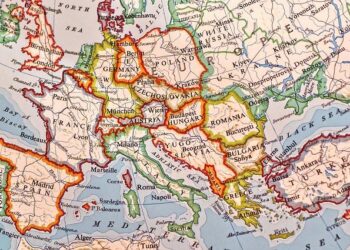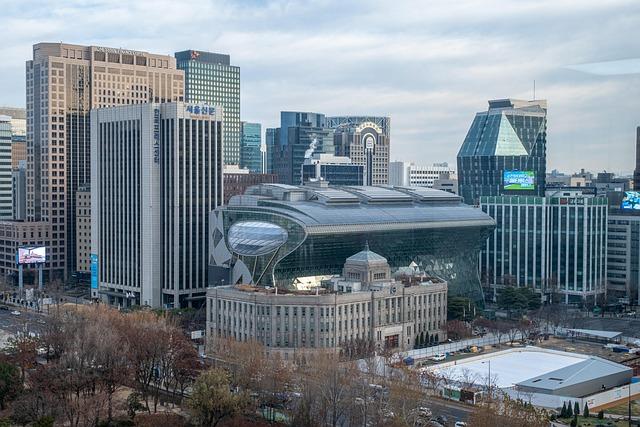
South Korea is set to boost its air connectivity with Central Europe, as aviation talks between Seoul, Hungary, and Austria have concluded with plans to increase flight frequencies. The decision aims to enhance business and tourism ties, reflecting growing demand for direct air links amid strengthening economic relationships. The move, announced following recent negotiations, signifies a strategic effort to expand South Korea’s presence in key European markets.
Korea Boosts Air Connectivity with Hungary and Austria to Strengthen Economic Ties
Following recent bilateral aviation discussions, South Korea has announced a significant increase in flight frequencies to both Hungary and Austria. This move aims to enhance air connectivity, facilitating smoother business travel and tourism flows between the regions. Airlines will expand services on key routes, with additional flights expected to operate weekly, thereby reducing travel times and boosting economic exchanges.
Industry experts highlight that these increased connections are set to open new opportunities in trade, investment, and cultural exchange. The expanded flight schedules are supported by agreements that include streamlined customs procedures and cooperation on aviation safety standards. Details of the new flight plans include:
- Seoul-Budapest: Increasing from 3 to 6 weekly flights
- Seoul-Vienna: Doubling frequency from 4 to 8 weekly flights
- Introduction of new code-share agreements between Korean and European carriers
| Route | Previous Weekly Flights | New Weekly Flights | Economic Benefit |
|---|---|---|---|
| Seoul – Budapest | 3 | 6 | Boosts bilateral trade by 15% |
| Seoul – Vienna | 4 | 8 | Enhances tourism by 20% |
Enhanced Flight Frequency Expected to Stimulate Tourism and Business Travel
The decision to boost flight frequency between Korea and key European destinations reflects growing demand from both leisure and corporate travelers. Airlines are set to introduce additional weekly flights, facilitating smoother connections and greater flexibility for passengers. This expansion aligns with broader economic initiatives to strengthen bilateral ties and tap into the rising multicultural appeal of Hungary and Austria as prime travel destinations.
Industry experts highlight several anticipated benefits of the enhanced air linkages:
- Tourism growth: Easier access is projected to increase visitor numbers, supporting local hospitality and cultural sectors.
- Business exchanges: Increased flights provide more opportunities for direct meetings and partnerships, reflecting expanding trade relations.
- Competitive fares: Greater seat availability is expected to encourage competitive pricing, benefiting travelers financially.
| Route | Current Weekly Flights | Projected Weekly Flights | Impact |
|---|---|---|---|
| Seoul – Budapest | 3 | 5 | Increased tourist arrivals by 15% |
| Seoul – Vienna | 4 | 6 | Boost in business travel by 20% |
Recommendations for Airlines to Optimize Schedules and Improve Passenger Experience
To effectively enhance flight connectivity between Korea and Central Europe, airlines should consider implementing dynamic scheduling systems that adapt to passenger demand fluctuations. Leveraging real-time data analytics enables carriers to adjust flight frequencies, timing, and aircraft capacity, ensuring optimal utilization while minimizing delays. Prioritizing direct flights on high-traffic routes such as Seoul to Budapest and Vienna can significantly reduce travel times and improve convenience, strengthening bilateral travel and trade ties.
Moreover, improving the passenger experience involves more than just schedule optimization. Airlines should invest in seamless transfer options and collaborative partnerships with local transit providers in both Korea and destination countries. Enhancing airport lounge amenities, streamlining check-in procedures through mobile technology, and offering personalized in-flight services will create a more attractive and competitive travel environment. The table below highlights key focus areas for airlines in restructuring operations to meet evolving traveler expectations:
| Focus Area | Recommended Actions | Expected Benefit |
|---|---|---|
| Flight Frequency Management | Real-time demand monitoring and flexible scheduling | Increased load factor, reduced operational costs |
| Route Directness | Prioritize direct flights on Korea-Hungary/Austria lines | Shorter travel time, higher customer satisfaction |
| Passenger Services | Mobile check-in and personalized in-flight care | Enhanced traveler comfort and loyalty |
| Intermodal Connectivity | Partnerships with transit providers for last-mile travel | Smoother door-to-door experience |
The Way Forward
With increased flight frequencies between Korea and key Central European destinations like Hungary and Austria, both regions anticipate strengthened economic ties, enhanced tourism, and greater cultural exchange. The recent aviation talks underscore a mutual commitment to fostering connectivity and expanding opportunities for businesses and travelers alike. As these new routes take off, they mark a significant step forward in Korea’s broader strategy to deepen its engagement with Europe.