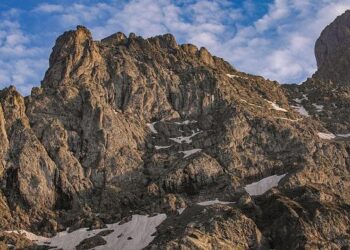
Iceland has solidified its reputation as one of the world’s most captivating travel destinations, drawing adventurers and nature enthusiasts alike to its dramatic landscapes and unique cultural experiences. As more visitors plan their journeys to the land of fire and ice, navigating the country’s distinct environment and local customs can be a challenge. In this article, we present “10 Iceland Travel Tips for an Amazing Vacation,” a comprehensive guide aimed at helping travelers make the most of their Icelandic adventure while staying safe and respectful of the natural surroundings. From practical advice on weather preparedness to insights on must-see locations, this guide offers essential information for an unforgettable trip.
Essential Packing Advice for Iceland’s Unique Climate
When preparing for Iceland’s ever-changing weather, layering is key to staying comfortable and dry. Start with a moisture-wicking base layer to keep sweat away from your skin, followed by an insulating mid-layer such as a fleece or wool sweater. Top it off with a durable, waterproof outer shell to protect against wind and rain. Don’t forget accessories: a warm hat, waterproof gloves, and a versatile scarf can make all the difference in sudden weather shifts. Footwear should be sturdy, waterproof hiking boots with good traction to navigate slippery terrain safely.
Packing smart also means adapting to the length of your trip and planned activities. Here’s a quick guide to essential items to include for a typical Iceland adventure:
- Thermal underwear for cold days and nights
- Waterproof jacket and pants to brave Iceland’s frequent rain showers
- Multiple layers for versatile temperature control
- Swimsuit for the geothermal hot springs
- Headlamp for late evening explorations or early morning hikes
| Item | Purpose | Tip |
|---|---|---|
| Windproof Jacket | Shield against fierce gusts | Choose breathable fabric |
| Layered Clothing | Adjust comfort in fluctuating temps | Pack lightweight, warm materials |
| Waterproof Footwear | Stay dry on wet trails | Break them in before travel |
| Thermal Socks | Keep feet warm in cold conditions | Bring extras for wet days |
| Swimsuit | Enjoy hot springs | Quick-dry fabric recommended |
Navigating Iceland’s Roadways Safely and Efficiently
Traveling across Iceland’s diverse landscapes requires careful attention to changing road conditions and weather. Many of the island’s roads are gravel or narrow, winding through rugged terrain, demanding steady driving skills and preparedness. Make sure to always check the official road and weather updates before setting out. Keep in mind that some routes, especially the famous F-roads, are only accessible with 4×4 vehicles and during summer months. Ignoring these warnings can lead to dangerous situations or costly fines. Additionally, Iceland’s strict laws encourage the use of seat belts and penalize speeding aggressively-adhering to posted speed limits is essential for safety and compliance.
Maximizing efficiency on your road trip also means timely planning and respect for the unpredictable Icelandic climate. Consider starting early to account for frequent stops at iconic spots and potential weather disruptions. Pack essentials such as extra fuel, food, and a reliable GPS or offline maps, as mobile signals can be patchy in remote areas. Below is a quick reference table highlighting key driving tips to keep in mind for a smooth journey:
| Tip | Why It Matters |
|---|---|
| Regularly Check Road.is | Updated info on road closures and hazards |
| Use 4×4 on F-Roads | Necessary for rough terrain, safety, and legality |
| Obey Speed Limits | Ensures safety and avoids heavy fines |
| Be Prepared for Rapid Weather Changes | Prevents getting stranded or caught off-guard |
| Carry Emergency Supplies | Vital in remote areas with limited services |
Top Strategies for Experiencing Iceland’s Natural Wonders Off the Beaten Path
For those looking to explore Iceland beyond its popular hotspots, venturing off the typical tourist trails offers an unparalleled connection to the island’s raw beauty. To truly immerse yourself in its landscape, consider hiring a local guide who knows the overlooked paths to secluded waterfalls, hidden geothermal pools, and remote volcanic craters. Early morning or late evening excursions are particularly rewarding, as the light paints the scenery in dramatic hues and most crowds have yet to arrive. Packing a reliable 4×4 vehicle is crucial for safely navigating rough terrain and gravel roads that lead to these untouched gems, ensuring you reach destinations that standard rentals can’t access.
Equipped with patience and a spirit of adventure, travelers can embrace activities like hiking lesser-known trails in the Westfjords or photographing elusive wildlife in national reserves that rarely feature on postcards. Local insights often reveal seasonal wonders such as blooming lupines in hidden valleys or the mesmerizing dance of the Northern Lights away from city glare. Below is a quick reference to ideal times and areas to explore nature’s secret corners:
| Area | Best Season | Highlight |
|---|---|---|
| Westfjords | Summer | Secluded cliffs &Â birdwatching |
| Highlands | Late Summer | Volcanic landscapes & hot springs |
| Eastfjords | Spring | Wildflowers & quiet fjords |
| North Iceland | Winter | Ice caves & Northern Lights |
Insights and Conclusions
In summary, traveling to Iceland offers an unparalleled experience filled with stunning landscapes and unique cultural encounters. By keeping these 10 essential travel tips in mind-ranging from practical advice on weather preparedness to insights on local customs-visitors can ensure a safe, enjoyable, and memorable vacation. As Iceland continues to captivate travelers worldwide, informed planning remains key to making the most of this Nordic destination’s extraordinary offerings. Stay tuned for more updates and guides to help you navigate your next adventure with confidence.