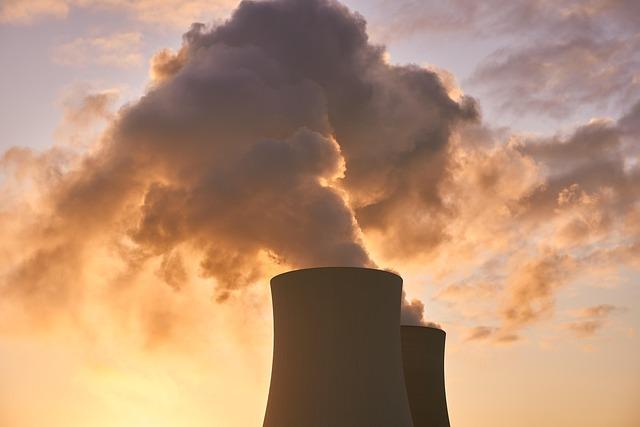
The Norwegian Nuclear Committee has officially rejected the prospect of developing nuclear power in Norway, reaffirming the country’s commitment to alternative energy sources. In a statement released this week, the committee outlined the environmental and economic concerns influencing its decision, signaling a continued focus on renewable energy investments. This development marks a significant moment in Norway’s ongoing energy debate, as the nation weighs its future energy strategy amid rising global demand and climate challenges.
Norwegian Nuclear Committee Rejects Nuclear Power Citing Environmental and Safety Concerns
The committee’s recent evaluation highlights significant environmental risks associated with nuclear power plants, emphasizing the potential for long-lasting radioactive contamination in Norway’s pristine natural landscapes. They argue that safer, renewable energy alternatives already offer viable solutions for the country’s energy needs without introducing the hazards tied to nuclear technology. Concerns were also raised regarding the challenges of nuclear waste management, which remain unresolved on both national and global levels.
In their report, the committee outlined critical safety issues, including:
- Risk of catastrophic accidents in seismic zones
- Complexity of securing nuclear materials from misuse
- Long-term health implications for local communities
| Factor | Committee Assessment |
|---|---|
| Environmental Impact | High Risk |
| Safety Reliability | Insufficient |
| Alternative Energy Viability | Strong |
| Waste Management | Unresolved Issue |
Implications for Norway’s Renewable Energy Transition and Climate Goals
The recent decision by Norway’s Nuclear Committee to reject nuclear power signals a clear pivot towards reinforcing existing renewable energy frameworks, rather than diversifying with nuclear options. This stance places greater responsibility on accelerating wind, hydro, and emerging green technologies to meet the country’s ambitious climate targets. Without nuclear power as a bridging energy source, Norway must grapple with increased challenges in balancing grid stability while scaling carbon-neutral energy sources.
Key implications for Norway’s energy transition include:
- Greater investment pressure on offshore wind projects and hydroelectric upgrades
- Potential delays in achieving carbon neutrality by 2030 due to dependence on variable renewables
- Increased exploration of energy storage and smart grid innovations to offset intermittency
- Heightened collaboration with European energy markets for system balancing
| Energy Source | 2023 Share (%) | Projected 2030 Share (%) |
|---|---|---|
| Hydropower | 90 | 85 |
| Offshore Wind | 5 | 12 |
| Other Renewables | 3 | 7 |
| Nuclear Power | 0 | 0 |
As this table illustrates, nuclear power remains absent from the energy mix, pressuring renewable sectors to fill the gap. Policymakers are now tasked with innovating strategies that ensure energy reliability without compromising Norway’s environmental commitments, amid rising demand and geopolitical uncertainties impacting energy imports and exports in the Nordic region.
Committee Urges Increased Investment in Wind and Hydropower to Meet Future Energy Demands
The committee emphasized the urgent need to boost investments in both wind and hydropower to secure Norway’s energy future while steering clear of nuclear alternatives. According to their findings, expanding renewable infrastructure will not only align with environmental goals but also provide a more reliable and cost-effective energy supply. They highlighted the untapped potential in offshore wind farms and modernizing aging hydropower facilities as critical steps to accommodate rising electricity demands.
Key recommendations focus on:
- Accelerating permits for offshore wind projects
- Upgrading hydropower plants with advanced turbine technology
- Strengthening grid capacity to handle increased renewable input
- Encouraging public-private partnerships to mobilize funding
| Energy Source | Current Capacity (GW) | Projected Capacity 2030 (GW) | Investment Focus |
|---|---|---|---|
| Onshore Wind | 3.0 | 5.5 | Modern turbines & grid upgrades |
| Offshore Wind | 0.5 | 4.0 | New farm development & logistics |
| Hydropower | 31.3 | 35.0 | Equipment modernization & efficiency |
In Conclusion
As Norway continues to prioritize renewable energy sources, the Nuclear Committee’s firm rejection of nuclear power cements the country’s commitment to sustainable and environmentally conscious energy policies. With abundant hydropower resources and growing investments in wind and solar, Norway is poised to maintain its path toward a low-carbon future-without embracing nuclear options. EnergyWatch will continue to monitor developments in Norway’s evolving energy landscape.







![Budva Montenegro Travel Guide 2026 | The Truth Before You Visit! (Beaches & Prices) [59bd6d] – Fathom Journal](https://europ.info/wp-content/uploads/2026/04/3046981-budva-montenegro-travel-guide-2026-the-truth-before-you-visit-beaches-prices-59bd6d-fathom-journal-120x86.jpg)