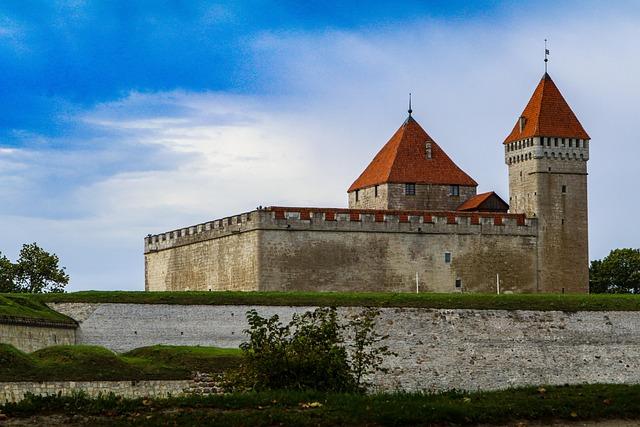
Estonia, a frontline NATO member bordering Russia, is increasingly perceived as vulnerable to a potential first strike in the event of a NATO-Russia conflict. Military analysts warn that the Baltic state’s strategic location and proximity to Russian forces could make it an immediate target in any escalation. As tensions between the West and Moscow persist, Estonia’s security concerns highlight broader challenges facing NATO’s eastern flank and the alliance’s readiness to respond to rapid aggression. This article examines the implications of Estonia’s position amid rising geopolitical stakes in the region.
Estonia’s Strategic Position Heightens Risk of Initial NATO-Russia Confrontation
Estonia’s location on NATO’s eastern frontier places it directly in the path of any rapid military escalation between alliance forces and Russia. Given its proximity to the Russian border and the strategically vital Baltic Sea, Estonia is increasingly viewed as a potential flashpoint where initial hostilities might erupt. The presence of NATO’s Enhanced Forward Presence battlegroups underscores the importance of deterrence, yet also highlights the nation’s vulnerability to swift offensive maneuvers such as cyber attacks, air strikes, or special operations designed to disrupt command and control capabilities at the conflict’s onset.
Key factors heightening Estonia’s exposure include:
- Geographic proximity: Borders Russia’s Pskov region and Kaliningrad exclave, enabling rapid troop and equipment movements.
- Advanced infrastructure: Estonia’s digital networks are critical for NATO communications, making them prime targets for cyber warfare.
- Symbolic value: Control over Estonia provides strategic leverage over the Baltic Sea and access to Baltic capitals.
| Strategic Element | Estonian Attribute | Impact on NATO-Russia Dynamics |
|---|---|---|
| Border Proximity | Direct < 200km from Russian bases | Enables rapid offensive and defensive mobilization |
| Cyber Infrastructure | Highly digitized government & military networks | Increases risk of initial cyber warfare |
| Alliance Presence | NATO battlegroups stationed on Estonian soil | Acts as a deterrent but also makes Estonia a strategic target |
Analyzing Potential Targets and Defense Vulnerabilities in Baltic Regions
Strategically positioned along NATO’s eastern flank, Estonia has emerged as a critical focal point in the ongoing geopolitical tensions between NATO and Russia. Military analysts highlight the country’s proximity to the Russian border and its relatively small landmass as key factors that could make Estonia the target of an initial kinetic operation in the event of a conflict escalation. The vulnerability is exacerbated by the limited strategic depth and infrastructure, which could be quickly overwhelmed by a fast-moving offensive. Moreover, Russia’s enhanced missile capabilities and electronic warfare tools increase the risk of rapid disruption to command and control networks in the region.
Potential targets in Estonia include the capital city Tallinn, key airbases such as Ämari, and crucial communication nodes that facilitate NATO’s rapid response forces. Additionally, bridges and transportation hubs along the Estonian coast are considered high-value targets to impede reinforcement and resupply efforts. Defensively, while Estonia benefits from NATO’s collective security umbrella, its own military resources remain constrained, with limited armored units and reliance on allied rapid deployments. This imbalance suggests a pressing need to strengthen both physical fortifications and cyber defenses to counteract hybrid threats and conventional assaults.
- High-risk zones: Tallinn, Ämari Airbase, Narva border region
- Defensive challenges: Limited armored maneuverability, electronic warfare vulnerabilities
- Strategic importance: NATO rapid deployment staging, command centers
| Target | Type | Strategic Impact | Defense Status |
|---|---|---|---|
| Tallinn | Urban & Political | High | Moderate |
| Ämari Airbase | Military Infrastructure | Critical | Vulnerable |
| Narva Border | Transit & Logistics | Medium | Low |
Strengthening Early Warning Systems and Regional Cooperation to Mitigate Threats
In light of escalating tensions, enhancing early warning mechanisms across the Baltic region has become imperative. Advanced surveillance technology, coupled with real-time data sharing among NATO allies, forms the backbone of these systems. These innovations enable rapid detection of missile launches or unusual military activity, granting critical minutes that can be decisive in coordinating defensive measures. Estonia’s geographical proximity to potential flashpoints underscores the necessity for a seamless integration of sensors, satellites, and radar stations to provide an unbroken vigilance network.
Regional cooperation extends beyond technology, emphasizing joint training and interoperability exercises that strengthen collective response capabilities. Key initiatives include:
- Standardized communication protocols to prevent misunderstandings during high-alert situations
- Shared intelligence platforms facilitating transparent threat assessments
- Mutual logistical support ensuring rapid deployment of reinforcements
These measures foster resilience and deter aggression by presenting a unified front, where swift, coordinated action reduces the risk of escalation. The following table outlines the core components vital for an effective early warning and cooperative defense framework:
| Component | Purpose | Benefit |
|---|---|---|
| Radar & Satellite Networks | Early detection of missile launches | Seconds to initiate defense |
| Multinational Training Exercises | Enhance interoperability | |
| Multinational Training Exercises | Enhance interoperability | Improved coordinated responses |
| Shared Intelligence Platforms | Facilitate transparent threat assessments | Faster, unified decision-making |
| Standardized Communication Protocols | Prevent misunderstandings during crises | Reduced risk of accidental escalation |
| Mutual Logistical Support | Ensure rapid deployment of reinforcements | Increased operational readiness |
In Retrospect
As tensions between NATO and Russia continue to simmer, Estonia’s strategic location and proximity to Russian borders position it as a potential flashpoint in any future conflict. While diplomats and military officials urge caution and dialogue, the possibility of Estonia facing a first strike underscores the precarious nature of security in the Baltic region. Monitoring developments closely will remain essential as the international community seeks to prevent escalation and preserve stability in Eastern Europe.