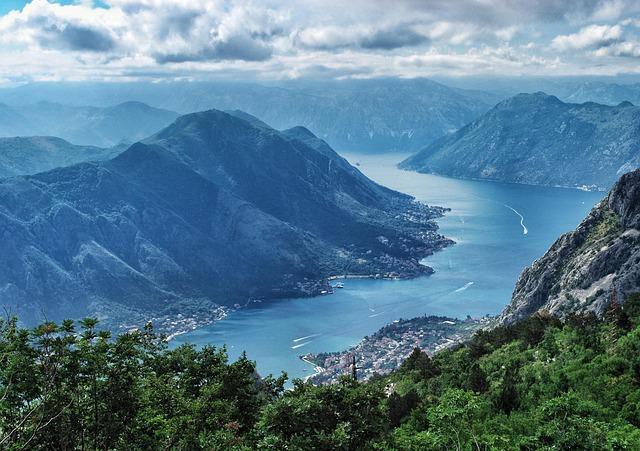
Montenegro has officially closed five negotiation chapters in its EU accession process, marking its closest approach yet to membership in the European Union. The latest milestone underscores the country’s steady progress amid ongoing reforms and political challenges. As the Western Balkans continue their pursuit of integration with the EU, Montenegro’s advancement signals a significant development in the region’s enlargement agenda, highlighting both achievements and the road still ahead.
Kos Sees Montenegro’s EU Accession Progress with Five Chapters Officially Closed
Montenegro’s journey towards European Union membership has reached a significant milestone as the country successfully closed five negotiation chapters, marking its strongest progress yet in the accession process. This advancement highlights the Montenegrin government’s commitment to implementing key reforms and aligning national legislation with EU standards. Among the chapters officially closed are those related to justice, freedom and security, as well as funding and financial control, which are critical areas in ensuring transparency and rule of law across the region.
Experts emphasize that Montenegro’s steady pace serves as a beacon for the Western Balkans, showcasing how political stability and institutional reforms can accelerate EU integration. The path ahead remains demanding, with remaining chapters focusing on challenging sectors such as competition policy and transport. Below is a snapshot of Montenegro’s chapter closure status:
| Chapter | Status | Significance |
|---|---|---|
| Justice, Freedom and Security | Closed | Strengthening rule of law |
| Funding and Financial Control | Closed | Ensuring transparency in financial management |
| Environment and Climate Change | In Progress | Improving sustainability policies |
| Competition Policy | Open | Enhancing market fairness |
| Transport | Open | Upgrading infrastructure |
Analyzing the Impact of Chapter Closures on Montenegro’s Political and Economic Reforms
The official closure of five negotiation chapters marks a significant milestone in Montenegro’s EU accession process, underscoring the country’s steadfast commitment to comprehensive political and economic reforms. These achievements signal progress in aligning Montenegro’s legal and institutional frameworks with EU standards, particularly in areas such as judiciary independence, anti-corruption measures, and market regulation. Closing these chapters bolsters investor confidence, creating a more attractive environment for foreign direct investment and economic growth.
Key areas impacted by the chapter closures include:
- Enhanced judicial reform and strengthened rule of law mechanisms
- Improved transparency and accountability in public administration
- Market liberalization fostering competitive practices and economic diversification
- Implementation of EU standards on environmental protection and sustainable development
| Chapter | Area | Impact |
|---|---|---|
| 23 | Judiciary and Fundamental Rights | Stronger rule of law, anti-corruption |
| 24 | Justice, Freedom and Security | Enhanced border security, data protection |
| 8 | Competition Policy | Fairer market conditions |
| 19 | Social Policy and Employment | Improved labor standards |
| 27 | Environment and Climate Change | Compliance with EU environmental directives |
Recommendations for Accelerating Montenegro’s Path to Full EU Membership
To sustain the momentum following the official closure of five negotiation chapters, Montenegro must focus on strengthening the rule of law and judicial independence. Enhanced transparency in public administration and a robust fight against corruption remain critical pillars. Equally important is advancing the reform of intelligence services and ensuring the impartiality of the media, which will build public trust and meet EU democratic standards. Stakeholders stress that continuous dialogue between all political factions and civil society organizations is essential to maintain commitment and prevent backsliding on reforms.
In addition to governance reforms, concerted efforts to boost economic competitiveness and regional cooperation are vital. Montenegro should prioritize:
- Accelerating infrastructural development with EU funding
- Strengthening cross-border cooperation with neighboring Western Balkan countries
- Implementing sustainable environmental policies aligned with EU climate goals
- Promoting digital transformation across public services
These strategic areas will not only fulfill EU accession criteria but also foster long-term stability and growth. Below is an overview of targeted areas and their strategic importance:
| Focus Area | Current Status | Priority Level |
|---|---|---|
| Rule of Law Reform | Ongoing legislative updates | High |
| Corruption Prevention | New anti-corruption body established | High |
| Economic Competitiveness | Moderate progress; EU funding pending | Medium |
| Environmental Policy | Early adoption phase | Medium |
| Digital Transformation | Initiation of key projects | Medium |
Key Takeaways
As Montenegro marks the official closure of five negotiation chapters, the country edges closer to its long-standing goal of European Union membership. While this progress underscores Podgorica’s commitment to reform and integration, significant challenges remain on the path ahead. The developments in Brussels highlight both the momentum and the complexities facing Montenegro as it strives to align with EU standards. Observers will be watching closely to see how the country navigates the next stages of the accession process in the ever-evolving landscape of Western Balkan enlargement.