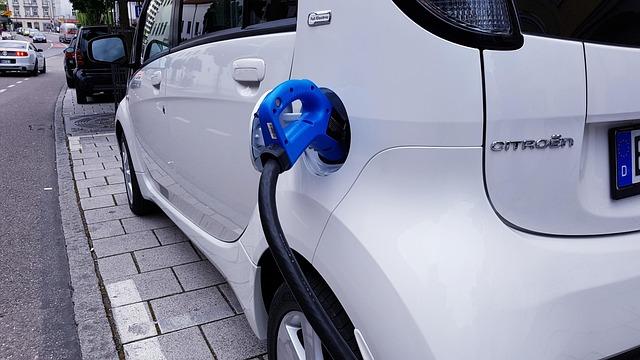
Norway has concluded 2025 with a remarkable milestone in the automotive industry, as fully electric vehicles accounted for 96% of its new car sales, underscoring the nation’s commitment to sustainable transportation. Leading this electric revolution, Tesla’s sales have surged significantly, solidifying its position as a dominant player in Norway’s rapidly evolving market. This development highlights both the country’s aggressive environmental policies and Tesla’s growing appeal among Norwegian consumers, setting a precedent for electric vehicle adoption worldwide.
Norways Electric Vehicle Market Hits Historic Milestone Driven by Consumer Demand
Norway’s transition to electric vehicles has reached an unprecedented level, with electric cars accounting for a staggering 96% of new car sales in 2025. This remarkable shift is fueled by a combination of government incentives, increasing charging infrastructure, and growing environmental awareness among consumers. The country’s ambitious climate policies, including substantial tax exemptions and free tolls for EV owners, continue to drive the surge in electric mobility, positioning Norway as a global leader in EV adoption.
Tesla has emerged as a significant player in this electric revolution, capturing a substantial market share thanks to its popular models tailored to Norwegian preferences. The brand’s growing sales reflect not only the high demand for premium electric vehicles but also Norway’s readiness to embrace cutting-edge technology. Below is a snapshot of the latest EV market share among top manufacturers in Norway for 2025:
| Manufacturer | Market Share (%) | Popular Models |
|---|---|---|
| Tesla | 38 | Model 3, Model Y |
| Volkswagen | 21 | ID.4, ID.3 |
| Polestar | 12 | Polestar 2 |
| Hyundai | 10 | Kona Electric, Ioniq 5 |
| Other | 19 | Various |
- Government incentives: include tax exemptions, free parking, and access to bus lanes.
- Charging infrastructure: rapid expansion of fast chargers nationwide.
- Consumer appeal: lower operating costs and technological advancements boost interest.
Tesla Emerges as Leading Player Amidst Growing Competition in Norways EV Sector
Tapping into Norway’s ultra-green market, Tesla has solidified its dominance as a frontrunner in the ever-competitive electric vehicle landscape. With Norwegians purchasing EVs at unparalleled rates, Tesla’s models-especially the Model 3 and Model Y-continue to command impressive sales figures, catering to environmentally-conscious consumers drawn to the brand’s innovation, range, and performance. The surge reflects not only Tesla’s growing local footprint but signals a broader shift towards sustainable transportation solutions amid policy incentives and infrastructural support fueling the country’s electric revolution.
Meanwhile, domestic and international manufacturers are intensifying their efforts to capture slices of this lucrative market. Notably, the latest Norwegian sales data reveal a diversified lineup of EVs gaining traction. The competition underscores a healthy ecosystem where options now extend beyond Tesla:
- Volkswagen ID.4 – rising as a cost-effective alternative.
- Polestar 2 – blending Scandinavian design with strong performance.
- BMW iX – targeting premium EV consumers.
| Model | 2025 Q1-Q3 Sales | Market Share (%) |
|---|---|---|
| Tesla Model 3 | 18,500 | 27.3 |
| Tesla Model Y | 12,200 | 18.0 |
| Volkswagen ID.4 | 7,800 | 11.5 |
| Polestar 2 | 5,400 | 8.0 |
| BMW iX | 3,700 | 5.5 |
Experts Recommend Policy Enhancements to Sustain Norways Electric Vehicle Momentum
As Norway consolidates its position as the global leader in electric vehicle (EV) adoption, industry experts emphasize the urgent need for policy refinement to maintain this momentum. While the nation’s remarkable achievement of 96% new EV sales in 2025 sets a global benchmark, stakeholders suggest that evolving regulations should focus on sustaining infrastructure growth, incentivizing second-hand EV markets, and enhancing grid capacity. Key recommendations include:
- Introducing targeted subsidies for EV battery recycling programs
- Expanding fast-charging networks especially in rural and suburban areas
- Supporting integration of renewable energy sources to power EVs sustainably
- Promoting legislation that incentivizes manufacturers to increase vehicle variety beyond premium models
To illustrate the evolving market dynamics, Tesla’s surging sales have highlighted the demand for luxury and high-performance EVs, but industry voices caution against overreliance on a narrow segment. Balancing consumer preferences with environmental goals requires strategic policymaking to ensure affordability and accessibility. The table below outlines projected policy impact areas alongside potential outcomes:
| Policy Area | Recommended Action | Expected Outcome |
|---|---|---|
| Charging Infrastructure | Increase public fast chargers by 40% | Reduce range anxiety, boost rural EV adoption |
| Incentives | Expand subsidies to used EV purchases | Make EVs accessible to broader population |
| Energy Integration | Prioritize renewable-powered charging stations | Lower carbon footprint of EV charging |
The Conclusion
As Norway closes out 2025 with an impressive 96% of its new car market fully electric, the country continues to set a global benchmark for electric vehicle adoption. Tesla’s soaring sales underline the growing demand for sustainable transportation solutions in the region, highlighting the automaker’s strong foothold in one of the world’s most progressive EV markets. With supportive policies and increasing consumer interest, Norway’s electric vehicle revolution shows no signs of slowing down, signaling a transformative future for the automotive industry both locally and beyond.