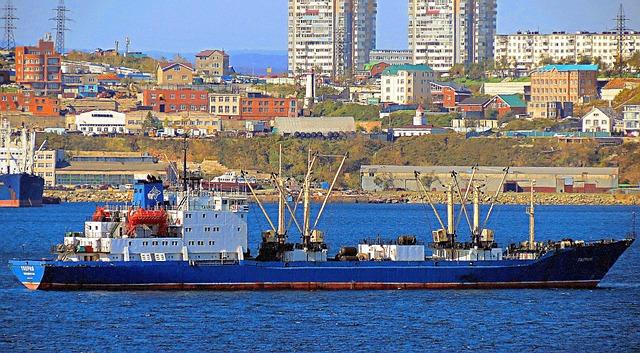
In a covert and high-stakes maritime confrontation, U.S. forces have intensified efforts to track and contain the so-called “dark fleet” vessels-secretive ships reportedly linked to Russian military and intelligence operations. The recent seizure of one such vessel marks a significant escalation in the ongoing sea war, sending a strong signal to Moscow about America’s resolve to counter covert naval activities in strategic waters. This development sheds light on the shadowy dimensions of modern naval conflict and the broader geopolitical struggle unfolding beneath the waves.
Inside the Tactical Battle to Track and Neutralize Dark Fleet Vessels in International Waters
Intelligence agencies and naval forces have intensified covert operations across international waters to monitor and intercept so-called “dark fleet” vessels – ships operating under opaque flags and engaged in clandestine activities such as sanctions evasion, illicit arms transport, and unauthorized resource extraction. Employing a blend of satellite surveillance, unmanned drones, and cyber reconnaissance, the US-led coalition has developed adaptive tracking algorithms designed to decrypt vessel anonymization tactics including frequent AIS (Automatic Identification System) spoofing and rapid flag changes. This strategic approach not only disrupts hostile supply lines but also sends a clear geopolitical message regarding the enforcement of maritime law amid rising tensions.
Key tactical measures leveraged in these operations include:
- Real-time satellite imagery fusion with naval patrol routes
- Deployment of stealth reconnaissance submarines for underwater inspection
- Integration of AI-driven data analytics to predict movement patterns
- Collaboration with allied navies to expand operational reach
| Operation Phase | Primary Objective | Technology Used |
|---|---|---|
| Detection | Identify suspect vessels | Satellite AIS tracking, Infrared sensors |
| Surveillance | Monitor vessel movement | Drones, Recon submarines |
| Interdiction | Intercept and seize vessels | Naval boarding teams, Cyber interception tools |
Analyzing the Strategic Impact of the US Seizure on Russian Naval Operations
The US seizure represents a calculated disruption to Russian naval logistics, effectively hindering the “dark fleet” – a shadowy segment of Russia’s maritime capabilities known for clandestine activities and covert shipments. By intercepting these vessels, the US not only interrupts supply chains but also sends a clear signal about the reach and resolve of American naval power in contested waters. This move forces Russia to reconsider asset deployment strategies, potentially slowing missions and forcing greater reliance on less secure maritime routes.
Key strategic consequences include:
- Operational Delays: Delays in resupply and intelligence gathering impact front-line effectiveness.
- Increased Exposure: Vessels must avoid traditional pathways, raising the risk of detection.
- Resource Redistribution: Naval resources may be diverted to protect vulnerable supply lines.
- Psychological Impact: Demonstrates US capacity to monitor and counter covert naval maneuvers.
| Factor | Russian Naval Operations | US Impact |
|---|---|---|
| Supply Chain Integrity | Moderate | Severely Disrupted |
| Operational Security | Compromised | Enhanced Surveillance |
| Force Mobility | Restricted | Increased Control |
| Strategic Messaging | Defensive Posture | Assertive Positioning |
Recommendations for Enhancing Maritime Security and Strengthening Allied Naval Cooperation
Maritime security remains a cornerstone of regional stability amid growing challenges posed by covert fleets operating in contested waters. Strengthening intelligence-sharing frameworks among allied navies is paramount to preempting illicit transits and disrupting the logistics chains of unauthorized vessels. Investing in advanced surveillance technologies-such as long-range drones and integrated satellite monitoring systems-can dramatically enhance situational awareness, enabling quicker response times to emerging threats. Furthermore, establishing standardized communication protocols will streamline coordination during joint operations, ensuring a unified front and reducing operational ambiguities between partner nations.
Collaborative training exercises and joint patrols are essential for cultivating interoperability and trust among allied naval forces confronting these shadowy maritime actors. Developing a shared threat assessment matrix allows for real-time risk evaluation and facilitates synchronized maneuvers in high-stakes scenarios. Below is a breakdown of key initiatives recommended to elevate allied naval cooperation:
| Initiative | Benefit | Impact Timeline |
|---|---|---|
| Integrated Satellite Surveillance | Enhanced Early Detection | 6-12 Months |
| Unified Communication Protocols | Streamlined Operations | 3-6 Months |
| Joint Maritime Exercises | Improved Interoperability | Ongoing |
| Shared Intelligence Hub | Real-Time Threat Analysis | 12+ Months |
- Expand bilateral and multilateral intelligence agreements to close gaps exploited by “dark fleet” vessels.
- Leverage AI-powered predictive analytics to anticipate and neutralize maritime threats before escalation.
- Enhance port security collaboration to monitor suspicious cargo transfer activities across allied harbors.
- Promote legal frameworks that allow rapid detention and seizure of unauthorized maritime assets.
In Conclusion
As tensions continue to simmer on the global stage, the unfolding maritime confrontations over the so-called “dark fleet” vessels underscore the complex interplay of power, technology, and sovereignty in today’s sea wars. The recent U.S. seizure not only marks a significant strategic move but also sends a pointed message to Russia about the limits of covert naval operations. As both nations navigate this high-stakes environment, the international community watches closely, aware that what transpires beneath the waves could have far-reaching implications for global security and the balance of maritime power.