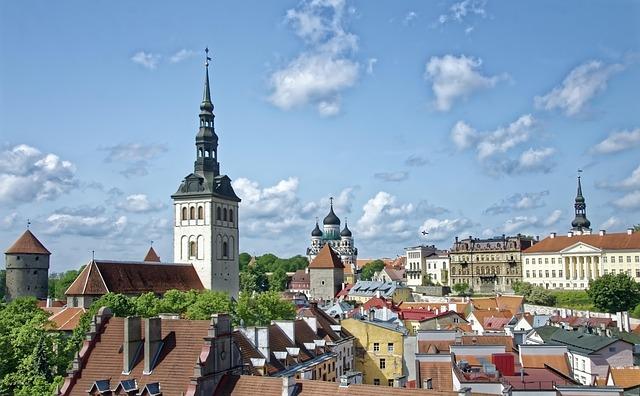
Estonia is making notable strides in environmental sustainability, as highlighted in the latest reports from the European Environment Agency (EEA). This Baltic nation, known for its pristine forests and commitment to clean energy, stands out in Europe’s collective effort to combat climate change and preserve natural habitats. The EEA’s recent assessments reveal Estonia’s progress and ongoing challenges in areas such as air quality, waste management, and biodiversity conservation, offering a comprehensive snapshot of the country’s environmental landscape within the broader European context.
Estonia’s Environmental Achievements Through the Lens of the European Environment Agency
Estonia has made significant strides in environmental sustainability, as highlighted by the latest European Environment Agency (EEA) reports. The country’s commitment to clean energy is evident through its rapid expansion of renewable resources, particularly wind and biomass, positioning Estonia as a leader in the Baltic region. The EEA applauds Estonia’s innovative waste management programs, which have significantly reduced landfill dependency, while enhancing recycling rates and waste-to-energy conversion. Additionally, Estonia’s efforts in preserving its vast forested areas contribute not only to biodiversity conservation but also to carbon sequestration, reinforcing its role in combating climate change.
Key environmental indicators from the EEA underscore Estonia’s progress:
- Renewable energy share: 38% of total energy consumption in 2023
- Reduction in greenhouse gas emissions: 23% decrease since 2005
- Forest cover: Nearly 53% of national land area
- Waste recycling rate: Increased to 57% in recent years
| Environmental Metric | Estonia (2023) | EU Average |
|---|---|---|
| Renewable Energy (%) | 38% | 32% |
| Greenhouse Gas Emissions Reduction since 2005 | 23% | 20% |
| Recycling Rate (%) | 57% | 47% |
| Forest Land (%) | 53% | 42% |
Analyzing Estonia’s Biodiversity and Climate Adaptation Strategies
Estonia’s rich natural landscapes play a crucial role in supporting its biodiversity, which is one of the highest among European countries relative to its size. The nation’s extensive forests, wetlands, and coastal ecosystems provide habitats for a diverse array of species, including several endemic and protected ones. Recent environmental assessments highlight that over 50% of Estonia’s territory is forested, promoting carbon sequestration and preserving vital ecological networks. However, climate change poses significant challenges, with rising temperatures and shifting precipitation patterns threatening species distribution and ecosystem services.
To counter these effects, Estonia has implemented comprehensive adaptation strategies focused on resilience and sustainability. Notable initiatives emphasize:
- Habitat restoration to reconnect fragmented landscapes and support wildlife corridors.
- Climate-smart forestry practices geared towards maintaining ecosystem health while meeting economic demands.
- Enhanced monitoring systems using remote sensing and citizen science for real-time biodiversity data.
These measures are reinforced by EU-wide directives, ensuring that Estonia remains aligned with broader European environmental goals. The following table summarizes key biodiversity indicators and climate adaptation priorities for Estonia:
| Indicator | Current Status | Priority Action |
|---|---|---|
| Forest Coverage | 51% | Promote mixed species reforestation |
| Protected Areas | 18% of land | Expand coastal habitat protection |
| Species at Risk | 120 species | Enhance monitoring & conservation |
| Carbon Sequestration | 12 Mt CO2/year | Integrate climate-smart land use |
Recommendations for Strengthening Estonia’s Sustainable Development Policies
To enhance Estonia’s sustainability trajectory, it is imperative to prioritize integrated policy frameworks that harmonize environmental, economic, and social objectives. This approach fosters a balanced progress that minimizes ecological footprints while boosting innovation and competitiveness. Key strategies include:
- Increasing investments in renewable energy infrastructure to reduce dependency on fossil fuels
- Strengthening cross-sector collaboration between government, industry, and civil society for holistic decision-making
- Implementing robust monitoring systems to track progress and adapt policies in real-time
Moreover, aligning national regulations with EU-wide targets can amplify Estonia’s role as a leader in sustainable development. Emphasis should be placed on enhancing public awareness and participation, ensuring transparency, and promoting a circular economy model. The table below highlights priority action areas and estimated benefits, serving as a roadmap for policymakers:
| Priority Area | Key Benefit | Estimated Impact by 2030 |
|---|---|---|
| Renewable Energy Expansion | Carbon Emissions Reduction | 40% decrease |
| Waste Management Reform | Resource Efficiency | 30% increase |
| Public Engagement Campaigns | Behavioral Change | 25% rise in sustainable practices |
Wrapping Up
As Estonia continues to advance its environmental policies and implement innovative solutions, its collaboration with the European Environment Agency remains a vital component in monitoring and safeguarding the nation’s natural assets. With ongoing data exchange and joint initiatives, Estonia’s commitment to sustainable development is set to contribute significantly to the broader goals of the European Union’s environmental agenda. The coming years will be crucial in observing how Estonia leverages this partnership to address climate challenges and promote ecological resilience across the region.