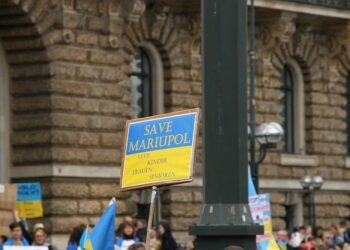
Tens of thousands of students across Serbia have taken to the streets in a series of protests that experts say signal mounting political tensions ahead of the upcoming elections. Demonstrators are voicing widespread frustration over education reforms, government policies, and allegations of corruption, putting President Aleksandar Vučić and his administration on high alert. As public dissent grows, Vučić faces a critical test of his political dominance, with the protests highlighting deep-seated challenges that could influence the country’s electoral landscape.
Serbia Student Protests Intensify Amid Growing Discontent Over Government Policies
Over the past weeks, students across Serbia have escalated their demonstrations, voicing deep dissatisfaction with President Aleksandar Vučić’s government’s approach to education and broader political reforms. These gatherings, initially sparked by grievances over tuition fee hikes and inadequate campus facilities, have evolved into a broader movement calling for transparency, accountability, and democratic integrity in the country’s leadership. The protests are marked by a remarkable breadth of participation, uniting student groups from various universities and faculties in demanding tangible change.
Analysts suggest that this mounting unrest could significantly impact the upcoming elections, where Vučić’s administration may face unprecedented voter skepticism. Key factors fueling the protests include:
- Economic hardship: Rising living costs have hit students hard, amplifying tensions.
- Freedom of expression: Crackdowns on dissent have galvanized youth activism.
- Corruption concerns: Calls for anti-corruption measures resonate strongly among protesters.
| Issue | Student Concerns | Government Position |
|---|---|---|
| Tuition Fees | Unfair increases without consultation | Justified by budget constraints |
| Freedom of Speech | Restrictions on protests and media | Maintain public order |
| Corruption | Demand for transparency | Denies widespread issues |
Vucic Faces Rising Political Pressure As Youth Demand Greater Transparency and Reform
The escalating demonstrations across Serbian universities signal a growing discontent among the youth towards the current administration. Students are demanding not only enhanced transparency in government dealings but also fundamental reforms to tackle corruption and economic stagnation. This groundswell of activism is increasingly interpreted by political analysts as a significant threat to President Aleksandar Vučić’s grip on power, particularly with upcoming elections on the horizon.
Key demands voiced by students include:
- Immediate implementation of transparent public spending mechanisms.
- Reform of the educational system to foster critical thinking and innovation.
- Stricter anti-corruption measures targeting entrenched political networks.
- Engagement of youth representatives in policymaking processes.
| Year | Youth Voter Turnout (%) | Government Transparency Index |
|---|---|---|
| 2020 | 52 | 45/100 |
| 2022 | 58 | 42/100 |
| 2024 (Projected) | 65 | 47/100 |
With increasing mobilization, the youth are set to play a pivotal role in shaping Serbia’s political future. Vučić’s administration faces mounting calls for reform, signaling a critical juncture that could redefine the nation’s trajectory. Observers suggest that without meaningful engagement and concessions to these demands, the regime risks alienating a generation that is fast becoming a decisive electoral force.
Opposition Urged to Capitalize on Student Momentum to Challenge Election Outcomes
With widespread student protests sweeping across Serbia, opposition forces are being urged to harness this unprecedented energy to contest the legitimacy of the recent election results. The youth-led demonstrations have exposed deep-seated dissatisfaction with the current political landscape, revealing a vulnerability in President Aleksandar Vučić’s grip on power. Analysts suggest that the mounting pressure from the student movement could serve as a catalyst for a broader political challenge, urging opposition parties to work in unison rather than in isolation.
Key factors that opposition groups must consider include:
- Mobilizing youth support: Ensuring the momentum is sustained beyond protests with organized voter outreach.
- Unified messaging: Crafting a cohesive narrative that resonates across diverse demographics.
- Legal avenues: Pursuing electoral complaints and demanding transparent recounts.
Failure to capitalize on these elements may lead to missed opportunities in a politically charged environment, where disillusionment with the incumbent could shift the balance of power.
| Factor | Potential Impact |
|---|---|
| Youth Mobilization | Increased voter turnout |
| Unified Messaging | Stronger public appeal |
| Legal Challenges | Possible election reruns or audits |
Wrapping Up
As Serbia approaches its next electoral cycle, the sustained wave of student protests signals a growing undercurrent of public discontent that President Aleksandar Vucic cannot afford to overlook. The demonstrators’ demands for greater transparency, democratic reforms, and an end to perceived authoritarian practices underscore the mounting challenges facing the ruling administration. With the opposition gaining momentum and civic activism on the rise, the upcoming elections may prove to be a pivotal moment in Serbia’s political landscape-one that could redefine the balance of power and shape the country’s democratic trajectory in the years to come.