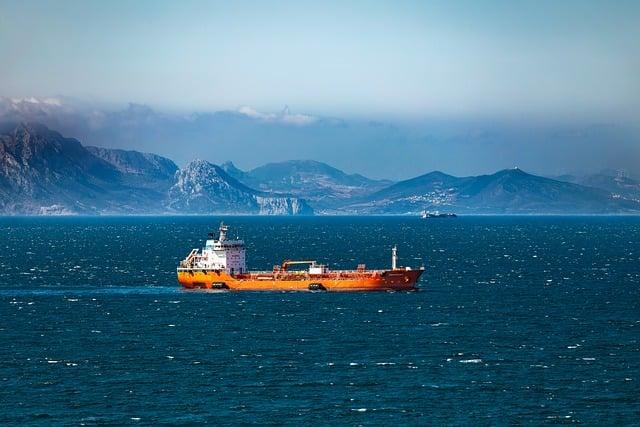
The ongoing fallout from Brexit continues to exacerbate tensions surrounding Gibraltar, with recent developments highlighting a growing diplomatic and economic challenge for both the United Kingdom and the European Union. As negotiations stall and border issues intensify, the small British Overseas Territory at the southern tip of the Iberian Peninsula is increasingly caught in the crossfire, raising questions about its future stability and prosperity. This article examines the latest complications in Gibraltar’s post-Brexit landscape and what they mean for all parties involved.
Brexit’s Impact on Gibraltar’s Economy and Border Stability
Since the United Kingdom’s departure from the European Union, Gibraltar has found itself navigating an increasingly precarious economic and geopolitical landscape. Once relying heavily on seamless cross-border trade and commuter flows, the territory now faces significant disruptions. Border delays and increased customs checks have led to tangible challenges for local businesses, many of which depend on daily workers and goods transiting from Spain. Moreover, financial services-Gibraltar’s economic backbone-are confronting new regulatory barriers, threatening its role as a competitive offshore hub. The impact has been compounded by rising uncertainty over ongoing negotiations, further fueling investor apprehension.
The situation’s complexity is underscored by several key issues:
- Strained border operations causing daily traffic jams and longer commute times.
- Businesses facing increased administrative burdens due to customs and VAT changes.
- Heightened political tensions between Spain, the UK, and Gibraltar exacerbating instability.
- Potential shifts in workforce demographics as cross-border labor mobility declines.
| Sector | Pre-Brexit Status | Current Challenges |
|---|---|---|
| Tourism | Growth-oriented, open borders | Reduced visitor numbers due to border delays |
| Finance | Strong EU access and regulation alignment | Increased compliance costs, market uncertainty |
| Issue | UK Position | Spain’s Demand |
|---|---|---|
| Border Control | Maintain current protocols | Full EU customs checks |
| Fishing | Limit access to preserve resources | Expanded quotas in Gibraltar waters |
| Governance | Preserve Gibraltar’s autonomy | Increase Spanish oversight |
Strategies for Resolving Gibraltar’s Post-Brexit Challenges and Ensuring Smooth Cross-Border Relations
Addressing Gibraltar’s post-Brexit turmoil requires a multifaceted approach that balances sovereignty concerns with economic pragmatism. Key to resolving these issues is the establishment of dedicated cross-border task forces comprising representatives from both Gibraltar and Spain, alongside UK and EU officials. These groups can facilitate real-time communication, streamline customs procedures, and address bottlenecks in the free movement of people and goods. Complementing this, investment in advanced digital infrastructure should be prioritized to enable efficient border controls and reduce physical congestion, ensuring that trade and daily commutes face minimal disruption.
- Implement joint customs checkpoints to expedite clearance and avoid duplicative inspections.
- Enhance visa and work permit flexibility for cross-border workers to safeguard Gibraltar’s workforce.
- Develop bilateral economic initiatives that incentivize cooperation in tourism, finance, and fisheries.
| Strategy | Immediate Impact | Long-Term Benefit |
|---|---|---|
| Cross-Border Task Forces | Improved communication | Reduced delays & conflicts |
| Digital Border Tech | Faster customs processing | Enhanced security & efficiency |
| Bilateral Agreements | Labor mobility preserved | Economic integration deepened |
Moreover, fostering public dialogue and transparency is essential to build trust among Gibraltar’s residents and neighboring communities. Governments should invest in outreach campaigns and consultation forums that clarify regulations and address misconceptions about border management changes. By adopting a human-centered approach that considers daily realities, policymakers can mitigate social tensions and reinforce cooperation. Ultimately, leveraging international law frameworks while embracing pragmatism will be pivotal in crafting durable solutions, ensuring Gibraltar remains a vital link between the UK and continental Europe despite ongoing post-Brexit complexities.
To Conclude
As tensions persist and negotiations remain stalled, Gibraltar continues to embody one of the most complex and contentious issues arising from Brexit. With its unique geopolitical position and the competing interests of the UK, Spain, and the EU, resolving Gibraltar’s status is critical to maintaining stability in the region. Without meaningful progress, the challenges facing Gibraltar are set to intensify, underscoring the broader difficulties Brexit continues to pose for all parties involved.