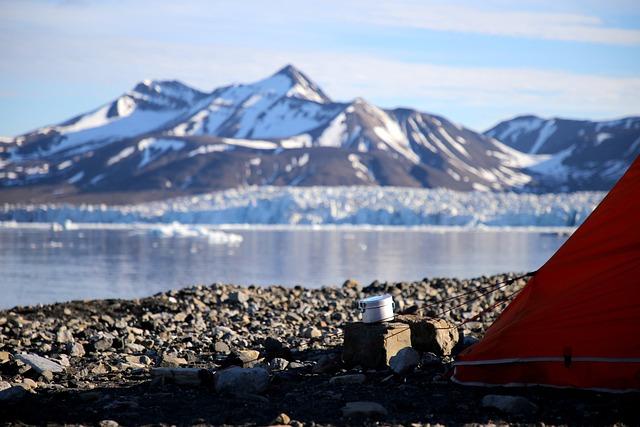
Amid escalating tensions between NATO and Russia, a remote Arctic training camp has become a critical frontline for preparing troops to operate in one of the world’s most extreme environments. Located in the far north, this facility is a focal point for military exercises designed to enhance readiness for potential conflict in the High North, a region of growing geopolitical significance. As nations vie for strategic advantage in the Arctic, the camp underscores the increasing importance of Arctic warfare capabilities in the face of Russia’s expanding military presence.
Arctic Military Camp Sharpens Readiness for Potential Conflict with Russia
Deep within the frigid expanse of the Arctic, military personnel are undergoing intensive training exercises designed to enhance strategic capabilities in a region increasingly viewed as a flashpoint for geopolitical tensions. The harsh environment serves as both a challenge and a proving ground, where troops refine survival skills, rapid deployment tactics, and advanced reconnaissance operations under extreme weather conditions. These preparations signal a clear intent to maintain readiness amidst growing concerns over Russian military activity and territorial ambitions in this resource-rich corridor.
The camp incorporates cutting-edge technology alongside traditional combat drills, focusing on mobility, intelligence-gathering, and joint operations with allied forces. Key training components include:
- Cold-weather vehicle maneuvering to ensure effective movement across ice and snow
- Arctic-specific communication systems to overcome signal disruptions
- Simulated defense scenarios replicating potential Russian incursions
- Icebreakers and drone surveillance for enhanced situational awareness
| Training Focus | Objective | Duration |
|---|---|---|
| Winter Survival Skills | Ensure troop endurance and self-sufficiency | 2 weeks |
| Reconnaissance Drills | Improve intelligence collection | 1 week |
| Joint NATO Exercises | Enhance interoperability | 3 weeks |
Challenges of Operating in Extreme Cold and Remote Terrain Explored
Operating in the Arctic’s unforgiving environment demands unparalleled resilience and adaptability from troops. Temperatures plunging well below freezing pose immediate threats such as frostbite, hypothermia, and equipment failure. Soldiers must master specialized cold-weather survival techniques, from constructing insulated shelters to managing limited daylight hours which impact circadian rhythms and operational readiness. The remote terrain further complicates logistics, requiring innovative supply chain solutions to deliver essentials like food, fuel, and medical support through impassable ice fields and snow-laden trails.
Beyond environmental hardships, the unique geography presents tactical obstacles that can’t be underestimated. Visibility can be compromised by blizzards and polar night darkness, restricting both movement and communication. Networks of ice ridges, crevasses, and frozen lakes demand precise navigation skills to prevent catastrophic accidents. Army engineers and planners continuously collaborate to adjust training modules, focusing on stealth movement, rapid fortification, and the use of Arctic-specific vehicles. The table below summarizes key operational challenges and their practical implications:
| Challenge | Impact | Mitigation Strategy |
|---|---|---|
| Sub-zero Temperatures | Equipment malfunctions, health risks | Cold-weather gear, heated shelters |
| Remote Location | Logistical delays, supply shortages | Advanced planning, aerial resupply |
| Limited Visibility | Navigation errors, communication loss | Infrared tech, satellite comms |
| Unstable Ice Terrain | Movement restrictions, safety hazards | Arctic training, specialized vehicles |
- Constant adaptation to shifting ice sheets and weather patterns is essential.
- Troops develop self-sufficiency skills to survive long patrols far from base.
- Innovations in communication technology are critical to maintaining command and control.
Recommendations to Enhance Troop Mobility and Communication in Arctic Conditions
Operating under the extreme cold and unpredictable terrain of the Arctic demands specialized strategies to maintain both mobility and communication efficacy. Troops must leverage adapted vehicles and gear designed specifically for icy, snow-covered environments. This includes the integration of lightweight, tracked all-terrain vehicles capable of navigating deep snow and frozen surfaces, alongside personal wearable technology that aids in sustaining body heat without restricting movement. Furthermore, pre-deployment physical conditioning tailored to Arctic demands is crucial for maintaining troop stamina and reducing injury rates in subzero climates.
Communication infrastructure requires robust, interference-resistant technology to overcome challenges posed by magnetic disturbances and limited satellite coverage. Deployment of portable, encrypted mesh networks ensures continuous, secure lines of communication even in isolated locations. Additionally, incorporating redundancy through a combination of satellite, radio, and optical communication methods allows units to adapt swiftly to equipment failures or environmental disruptions. The following table outlines key tactical focuses designed to sustain operational fluidity in harsh Arctic conditions:
| Aspect | Recommendation | Expected Impact |
|---|---|---|
| Mobility | Use of snow-adapted tracked vehicles and lightweight gear | Improved maneuverability and reduced fatigue |
| Communication | Encrypted mesh networks with satellite and radio backup | Reliable, secure, multi-channel connectivity |
| Training | Arctic-specific physical conditioning | Higher endurance and injury resilience |
Key Takeaways
As tensions between NATO and Russia continue to shape global security dynamics, the Arctic camp stands as a stark reminder of the region’s growing strategic importance. The rigorous training of troops in this harsh environment underscores the preparedness of military forces to operate in one of the world’s most challenging theaters. With the Arctic increasingly becoming a focal point of geopolitical rivalry, developments from this remote outpost will remain closely watched by policymakers and analysts alike.