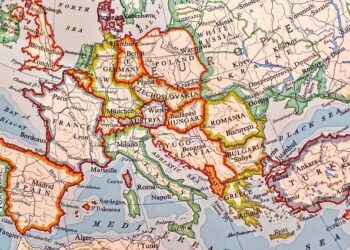
Ukraine and Poland have entered high-level discussions regarding the potential expansion of the Khmelnitsky nuclear power plant, a key project in the region’s energy landscape. The talks, aimed at enhancing cross-border cooperation and bolstering energy security, come amid growing demand for stable and sustainable power sources in Eastern Europe. As both countries explore avenues for collaboration, the proposed expansion at Khmelnitsky signifies a strategic effort to strengthen their nuclear capabilities and address future energy challenges.
Ukraine and Poland Explore Strategic Collaboration on Khmelnitsky Nuclear Expansion
Officials from Ukraine and Poland have initiated high-level talks focused on the potential expansion of the Khmelnitsky Nuclear Power Plant, aiming to bolster energy security in the region. The discussions emphasize joint investment opportunities and technological cooperation, seeking to leverage Poland’s growing energy demands alongside Ukraine’s expertise in nuclear technology. Both parties highlighted clean energy goals and the importance of reducing dependency on fossil fuels, marking a strategic pivot towards sustainable and resilient power infrastructure.
Key priorities outlined during the meetings include:
- Enhancing cross-border grid integration to optimize energy distribution
- Exploring advanced reactor designs and safety protocols
- Establishing long-term frameworks for knowledge and resource sharing
| Aspect | Ukraine’s Position | Poland’s Interest |
|---|---|---|
| Investment | Lead project development | Co-financing and technology import |
| Energy Demand | Secure domestic supply | Address growing consumption needs |
| Technology | Utilize existing plant expertise | Adopt modern reactor designs |
Assessing the Impact of Khmelnitsky Development on Regional Energy Security
The ongoing expansion of the Khmelnitsky nuclear power plant is poised to be a pivotal factor in strengthening the energy landscape in both Ukraine and its neighboring regions, notably Poland. With energy security concerns mounting amid geopolitical tensions and shifting supply chains, the anticipated upgrade aims to diversify energy sources and reduce reliance on fossil fuels. Experts note that by increasing reliable nuclear output, the region can cushion itself against volatile gas prices and supply disruptions, ensuring a more resilient grid throughout Eastern Europe.
Key benefits identified in the Khmelnitsky expansion include:
- Enhanced energy independence for Ukraine and Poland
- Stabilization of electricity prices over the long term
- Significant reduction in carbon emissions compared to traditional power sources
- Boost to regional cooperation through shared infrastructure and expertise
| Aspect | Current Status | Post-Expansion Projection |
|---|---|---|
| Annual Energy Output (GWh) | 12,000 | 18,000 |
| Nuclear Capacity (MW) | 2,000 | 3,000 |
| CO₂ Emissions Reduction (%) | Baseline | 35% |
Recommendations for Strengthening Bilateral Cooperation and Enhancing Safety Standards
To foster a robust partnership, both Ukraine and Poland have underscored the imperative of establishing joint regulatory frameworks that promote transparency and real-time information sharing on nuclear safety protocols. Collaborative training programs for technical staff and emergency response teams are proposed to enhance operational readiness and cultivate a unified safety culture. Additionally, implementing standardized risk assessment procedures across both nations will ensure the highest level of precaution is maintained throughout the Khmelnitsky expansion project.
Further recommendations prioritize the creation of a bilateral Safety Oversight Committee, tasked with continuous monitoring and evaluation of plant activities. This committee would be complemented by a shared digital platform to facilitate streamlined communication and incident reporting. Key focus areas include:
- Joint simulation exercises and safety drills
- Cross-border environmental impact assessments
- Adoption of cutting-edge nuclear technologies adhering to international safety standards
- Integration of community engagement initiatives to build public trust
| Recommendation | Benefit | Timeline |
|---|---|---|
| Joint Regulatory Frameworks | Enhanced compliance and transparency | 6-12 months |
| Safety Oversight Committee | Continuous risk evaluation | 3 months |
| Cross-border Environmental Assessments | Reduced ecological risks | Ongoing |
| Shared Digital Platform | Efficient communication and reporting | Immediate implementation |
In Retrospect
As Ukraine and Poland continue their discussions on the potential expansion of the Khmelnitsky nuclear power plant, the talks underscore a growing regional interest in bolstering energy security and cooperation. With both nations navigating complex geopolitical and energy landscapes, the outcome of these negotiations could have significant implications for the future of nuclear energy development in Eastern Europe. Stakeholders and observers alike will be closely monitoring the progress as the dialogue advances.