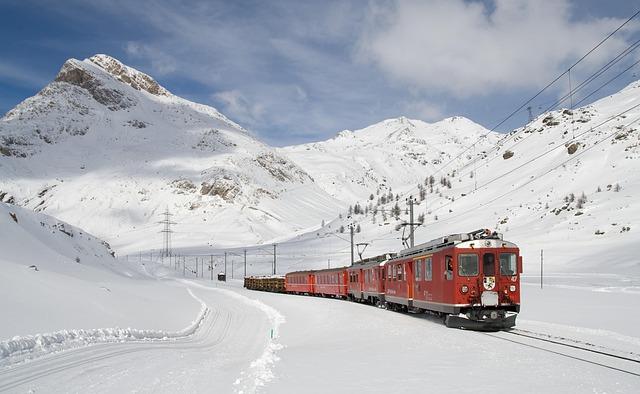
Rail Baltica is set to boost Estonia’s rail infrastructure with the construction of the largest rolling stock depot in the Baltic region, scheduled for completion by 2028. This ambitious project marks a significant milestone in the development of the trans-European Rail Baltica corridor, aimed at enhancing connectivity, efficiency, and sustainability across the Baltics. The new facility will serve as a central hub for maintenance and storage of modern trains, underpinning the region’s growing passenger and freight rail services. As Rail Baltica progresses, this depot underscores Estonia’s commitment to advancing its rail capabilities and integrating more closely with European transport networks.
Rail Baltica to Build Largest Rolling Stock Depot in Estonia Transforming Regional Rail Maintenance
The upcoming rolling stock depot, set to become the largest in the Baltic states, marks a monumental step in modernizing rail infrastructure across the region. Scheduled for completion by 2028, this facility will be strategically located in Estonia, enhancing rail maintenance capabilities and ensuring seamless support for the burgeoning Rail Baltica corridor. Equipped with state-of-the-art technology, the depot will facilitate routine inspections, repairs, and overhauls for high-speed trains, significantly reducing downtime and boosting operational efficiency.
Key features of the depot include:
- Extensive maintenance workshops designed to handle multiple train types simultaneously
- Advanced diagnostic systems integrated with real-time monitoring tools
- Dedicated areas for component refurbishment and cleaning
- Environmentally sustainable design, including energy-efficient lighting and waste management systems
- Capacity to service both passenger and freight rolling stock on a large scale
| Feature | Benefit | Impact |
|---|---|---|
| High-capacity workshops | Simultaneous multi-train servicing | Increased fleet availability |
| Real-time diagnostics | Predictive maintenance | Reduced service interruptions |
| Eco-friendly design | Lower environmental footprint | Compliance with EU green policies |
Strategic Importance of the New Depot for Baltic Rail Connectivity and Efficiency
The new rolling stock depot in Estonia is set to become a pivotal asset in enhancing the Baltic region’s rail infrastructure, significantly boosting Rail Baltica’s operational capacity. Strategically located near the main rail corridor, the depot will serve as a central hub for maintenance, assembly, and logistics, ensuring rapid turnaround times for trains traversing the Baltic states. This facility is designed to accommodate increasing traffic volumes and support the long-term sustainability of cross-border services, contributing to seamless passenger and freight mobility in Northern Europe.
Key strategic benefits include:
- Consolidation of maintenance operations, reducing reliance on smaller regional depots
- Enhanced efficiency through state-of-the-art technology and automation
- Strengthened supply chain integration for spare parts and rolling stock components
- Improved reliability and safety standards aligned with EU regulations
| Aspect | Expected Impact | Timeline |
|---|---|---|
| Maintenance Capacity | Up to 30% increase in serviced trains per day | By 2028 |
| Operational Downtime | Reduction from an average of 12 hours to 6 hours | Post-depot launch |
| Employment | 150 new specialized jobs created | 2026-2028 |
Recommendations for Integrating Advanced Technologies to Maximize Depot Performance
Maximizing the performance of the Rail Baltica depot requires the strategic implementation of cutting-edge technologies that streamline operations and enhance maintenance accuracy. Embracing predictive maintenance systems powered by AI will enable real-time monitoring of rolling stock health, preventing unexpected breakdowns and extending asset lifespan. Additionally, integrating IoT sensors across the facility can provide granular data on energy consumption and equipment usage, facilitating optimized resource allocation and minimizing operational costs. Investing in a centralized digital platform will unify asset management, scheduling, and workforce coordination, resulting in seamless communication and faster decision-making.
To further elevate depot efficiency, automation technologies must be prioritized. Deploying automated guided vehicles (AGVs) for material handling and component transport reduces human error and accelerates turnaround times. Augmented reality (AR) tools can also be introduced to aid technicians with complex repairs, improving accuracy and training outcomes. The following table highlights key technologies recommended for integration and their projected impact on depot operations:
| Technology | Function | Impact |
|---|---|---|
| Predictive Maintenance AI | Real-time asset monitoring | Reduce downtime by 30% |
| IoT Sensor Networks | Energy and usage tracking | Optimize resource use by 25% |
| Automated Guided Vehicles | Material transport automation | Speed up workflow by 20% |
| Augmented Reality Tools | Technician assistance & training | Improve repair accuracy by 15% |
- Focus on interoperability: Ensure that all systems communicate seamlessly.
- Prioritize cybersecurity: Protect sensitive operational data from threats.
- Invest in staff training: Maximize technology adoption and efficiency.
Wrapping Up
As Rail Baltica advances toward the completion of its ambitious infrastructure projects, the construction of the largest rolling stock depot in the Baltics marks a significant milestone for Estonia and the region. Scheduled for completion by 2028, the new facility is set to enhance operational efficiency and support the growing demand for sustainable rail transport across the Baltic states. This development underscores Rail Baltica’s commitment to modernizing rail connectivity and fostering regional integration, positioning Estonia as a key hub in the future of European rail travel.