Slovakia is emerging as a key player in Europe’s environmental landscape, according to the latest insights from the European Environment Agency (EEA). With its diverse ecosystems and ongoing efforts to tackle climate change, pollution, and natural resource management, the country exemplifies both the challenges and progress faced by Central European nations. This article explores Slovakia’s environmental policies, current data trends, and future outlook as highlighted in recent EEA reports, shedding light on how the nation is aligning with broader European sustainability goals.
Slovakia’s Environmental Progress Through the Lens of the European Environment Agency
Recent data from the European Environment Agency highlights Slovakia’s significant advances in environmental protection, demonstrating a strong commitment to sustainable development. Key improvements have been recorded in areas such as air quality, waste management, and biodiversity preservation. Notably, the country has reduced particulate matter (PM10) levels across urban centers by an average of 15% over the past five years, surpassing EU targets for air pollution control. Efforts to increase renewable energy use also show promise, with solar and wind power capacity nearly doubling during the same period.
Several factors contribute to Slovakia’s upward trajectory, including new national policies aligned with EU climate goals and enhanced monitoring practices. The table below summarizes Slovakia’s latest environmental indicators compared to EU averages, showcasing areas of success and opportunities for continued progress:
| Environmental Indicator | Slovakia (Latest) | EU Average | Trend |
|---|---|---|---|
| PM10 Concentration (µg/m³) | 18 | 22 | ↓ |
| Waste Recycling Rate (%) | 38 | 48 | → |
| Renewable Energy Share (%) | 18 | 20 | ↑ |
| Forest Coverage (%) | 41 | 37 | ↑ |
- Air quality: Consistent measures to lower emissions from transport and industry.
- Waste management: Implementation of circular economy principles showing gradual results.
- Biodiversity: Protection of natural habitats and expansion of national parks.
Key Challenges Facing Slovakia’s Ecosystems and Pollution Control Efforts
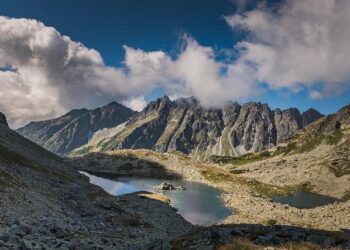
Slovakia grapples with several environmental challenges that threaten the integrity of its diverse ecosystems. Rapid industrialization and urban expansion have put significant pressure on natural habitats, particularly in regions like the Carpathian Mountains and the Danube floodplains. Deforestation and land fragmentation have disrupted wildlife corridors, resulting in diminished biodiversity and increased vulnerability of native species. Additionally, the persistent problem of air pollution, primarily stemming from coal-fired power plants and vehicular emissions, exacerbates the stress on vulnerable ecosystems, affecting both flora and fauna.
Efforts to combat pollution are hindered by a complex mix of economic, regulatory, and infrastructural issues. Despite advances in monitoring technologies and stricter regulations, Slovakia continues to face challenges in managing industrial waste disposal, water contamination, and soil degradation. The following table summarizes key pollutant sources and their environmental impact:
| Pollutant Source | Main Environmental Impact | Regions Most Affected |
|---|---|---|
| Coal Power Plants | Air quality degradation, acid rain | Eastern Slovakia |
| Industrial Waste | Soil and water contamination | Western Slovakia |
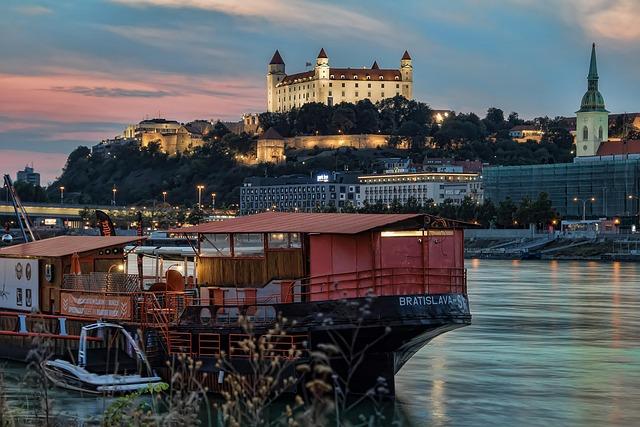
| Vehicle Emissions | Urban air pollution, smog | Bratislava and major cities |
| Agricultural Runoff | Eutrophication of water bodies | Rural lowlands |
- Insufficient funding for environmental projects limits the expansion of pollution control infrastructure.
- Fragmented governance complicates coordinated efforts across regions and sectors.
- Public awareness remains limited, reducing community engagement in sustainability initiatives.
Strategic Recommendations for Enhancing Slovakia’s Sustainable Development Goals
To accelerate progress toward environmental targets, Slovakia must prioritize a holistic approach that integrates innovation with policy reform. Strengthening partnerships between government bodies, private sector entities, and civil society will be crucial in scaling up renewable energy deployment and enhancing waste management systems. Emphasizing green infrastructure investments-such as urban green spaces and sustainable transport networks-can simultaneously improve quality of life and reduce carbon emissions. Moreover, capacity-building programs focused on sustainable agriculture and circular economy principles should be expanded to support rural communities, fostering resilience while preserving biodiversity.
Targeted data-driven monitoring frameworks can enhance transparency and optimize resource allocation by identifying gaps and successes in real time. Adaptation strategies tailored to specific regional vulnerabilities, especially in flood-prone areas and mountain ecosystems, will safeguard vital natural assets. The table below summarizes priority actions with anticipated impacts and responsible sectors, offering a clear roadmap to reinforce Slovakia’s environmental stewardship.
| Priority Action | Expected Impact | Lead Sector |
|---|---|---|
| Renewable Energy Expansion | Reduce carbon footprint by 30% by 2030 | Energy & Infrastructure |
| Urban Green Space Development | Improve air quality and public health | Urban Planning |
| Circular Economy Initiatives | Cut waste generation by 40% | Environment & Industry |
| Flood Adaptation Programs | Minimize damage and economic losses | Disaster Management |
In Summary
As Slovakia continues to align its environmental policies with the standards set by the European Environment Agency, the country faces both challenges and opportunities in its pursuit of sustainable development. Monitoring progress through EEA data and reports will be essential in ensuring that Slovakia meets its climate goals while protecting its rich natural heritage. With increasing attention on environmental issues across Europe, Slovakia’s commitment to transparency and cooperation signals a promising path forward in the region’s collective effort to address pressing ecological concerns.