EU4Culture: Cuisine Highlights the Hidden Heritage of Kurbin in Albania
Kurbin, Albania – A new cultural initiative under the EU4Culture program is shining a spotlight on the rich, yet often overlooked, culinary heritage of Kurbin. This project aims to preserve and promote traditional recipes and food customs that have long been passed down through generations, revealing a vibrant facet of Albania’s diverse cultural mosaic. Through festivals, workshops, and local partnerships, EU4Culture is helping Kurbin’s unique flavors gain recognition on the European stage, offering both residents and visitors a deeper connection to the region’s history and identity.
Kurbin’s Culinary Traditions Shine Spotlight on Untapped Cultural Wealth
Deeply rooted in the heart of Albania, Kurbin’s culinary landscape offers a vibrant tapestry of tastes and traditions largely unknown beyond its borders. The region’s gastronomic practices are a testament to a rich cultural lineage blending Mediterranean and Balkan influences with local, time-honored techniques. Traditional dishes such as Fërgesë, a baked combination of peppers, tomatoes, and cheese, and Byrek with local herbs are more than mere meals-they tell stories of community, resilience, and celebration. These specialties not only nourish the body but also act as a cultural compass, guiding both locals and visitors through Kurbin’s diverse history.
- Seasonal, locally sourced ingredients empower vibrant flavors.
- Generational recipes pass down culinary wisdom from elders.
- Festive food rituals punctuate important social and religious events.
| Dish | Main Ingredients | Cultural Significance |
|---|---|---|
| Fërgesë | Peppers, feta, tomatoes | Symbol of family gatherings |
| Byrek | Flour, spinach, herbs | Everyday staple, festive favorite |
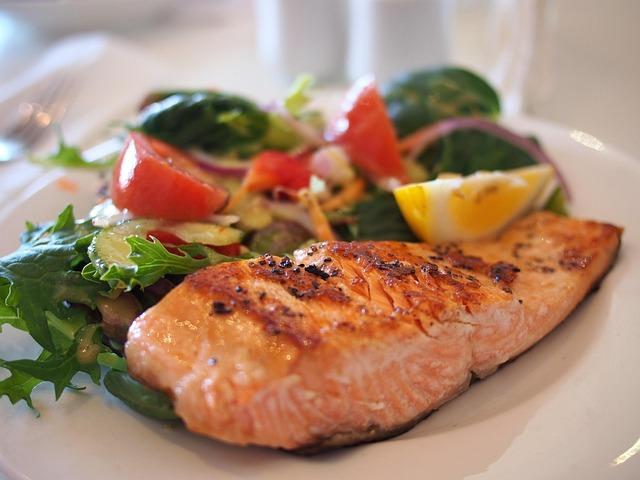
| Grilled Trout | Freshwater trout, lemon, herbs | Reflects the local river bounty |
Recent initiatives supported by the EU4Culture program seek to elevate Kurbin’s hidden culinary heritage on the European cultural map. By integrating cooking workshops, documentary projects, and farmer-market revivals, these efforts highlight how food acts as a vehicle of cultural identity and economic opportunity. The synergy created between local producers and cultural promoters promises a sustainable path to preserving and celebrating the unique flavors that define Kurbin’s landscape. As Kurbin gains visibility, it not only preserves its culinary roots but also invites a deeper appreciation of Albania’s diverse cultural wealth, previously overlooked in broader narratives.
Local Chefs and Artisans Collaborate to Preserve Authentic Flavors
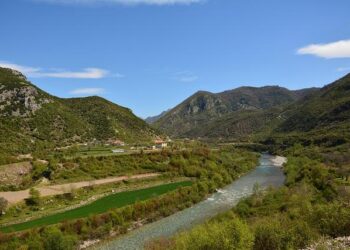
In the scenic region of Kurbin, Albania, a passionate group of local chefs and artisans have united to breathe new life into age-old recipes, safeguarding the culinary heritage that defines the area’s identity. Their collaboration bridges traditional cooking methods and modern gastronomic techniques, emphasizing the use of organic, locally-sourced ingredients. Through community workshops and seasonal food festivals, these culinary custodians are inviting residents and visitors alike to experience authentic flavors that have been handed down through generations.
Key elements of this initiative include:
- Reviving heirloom recipes: Rediscovering forgotten dishes that showcase Kurbin’s cultural roots.
- Artisan ingredient production: Supporting farmers and producers who cultivate indigenous herbs and fruits.
- Educational events: Hosting hands-on demonstrations on traditional food preparation techniques.
| Ingredient | Origin | Usage in Dishes |
|---|---|---|
| Wild Asparagus | Mountain Valleys | Spring Soups, Salads |
| Chestnut Flour | Local Forests | Flatbreads, Desserts |
| Sour Cherry | Orchards of Kurbin | Jams, Traditional Pastries |
Tourism Experts Recommend Sustainable Food Trails to Boost Regional Economy
Local culinary trails in Kurbin are emerging as a vital strategy to invigorate the regional economy while preserving the area’s rich gastronomic heritage. Tourism experts emphasize that by promoting traditional Albanian dishes prepared with locally sourced ingredients, communities can attract a discerning audience eager to experience authentic flavors and traditions. This approach not only diversifies the tourism offer but significantly supports small-scale farmers, artisanal producers, and family-owned eateries.
Key aspects shaping the success of these sustainable food trails include:
- Collaboration between local chefs, farmers, and cultural organizations to create immersive dining experiences.
- Educational workshops on traditional cooking techniques that engage both visitors and residents.
- Preservation of indigenous crops and culinary practices to maintain the region’s unique identity.
| Metric | Impact after 12 months |
|---|---|
| Tourist visits | +18% |
| Local food sales | +25% |
| Small business growth | +12% |
Insights and Conclusions
As EU4Culture continues to shine a spotlight on lesser-known regions across Europe, Kurbin’s rich culinary heritage emerges not only as a testament to Albania’s diverse traditions but also as a vital thread in the continent’s cultural tapestry. By celebrating local flavors and age-old recipes, initiatives like this play a crucial role in preserving intangible heritage and fostering cross-cultural understanding. Kurbin’s story reminds us that behind every dish lies history waiting to be discovered-a heritage worth tasting and sharing on the European stage.