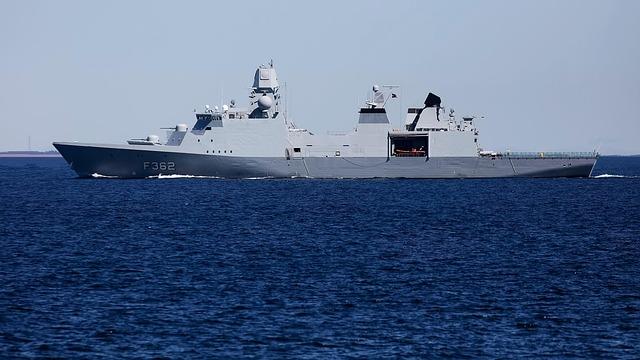
The Royal Navy has been actively monitoring a Russian shadow tanker operating near the strategic waters off Gibraltar, according to reports from the UK Defence Journal. This development highlights ongoing tensions and the complexities of maritime security in the region, as Western naval forces maintain vigilance over suspicious vessels linked to Russian interests. Details from official sources reveal efforts to track the tanker’s movements amid concerns about sanction evasion and covert supply operations.
Royal Navy Maintains Vigilant Surveillance on Russian Shadow Tanker Near Gibraltar
The Royal Navy has intensified its surveillance operations around the strategically important waters near Gibraltar, closely monitoring the movements of a Russian shadow tanker believed to be involved in covert activities. The tanker, operating under a myriad of false identities and flags, has raised concerns due to its evasive maneuvers and attempts to avoid direct tracking by maritime authorities. These shadow tankers typically engage in the illegal transfer of oil, often circumventing international sanctions, which makes their presence highly sensitive in this geopolitically charged region. Royal Navy vessels remain on high alert, employing advanced radar systems and maritime patrol aircraft to ensure a continuous watch on the vessel’s trajectory and communications.
Key aspects of the surveillance include:
- Round-the-clock monitoring via surface ships and drones
- Coordination with allies to share maritime intelligence
- Tracking suspicious ship-to-ship transfers in nearby international waters
- Use of electronic warfare tools to intercept communications
| Vessel Attribute | Details |
|---|---|
| Flag | Changing |
| Previous Identities | 3+ different names |
| Known Activities | Shadow oil transfers |
| Current Location | Near Gibraltar Strait |
Implications for UK Maritime Security and NATO Strategic Posture
The recent shadowing of a Russian tanker near Gibraltar by the Royal Navy underscores a growing challenge to UK maritime security. This operation highlights the necessity for enhanced surveillance capabilities and rapid response mechanisms within the Royal Navy to counter ambiguous naval activities in critical maritime corridors. The incident signifies not only a test of the UK’s territorial control but also a signal of Moscow’s strategic intent to assert its presence close to NATO’s southern flank.
For NATO, the episode serves as a stark reminder of the alliance’s evolving operational environment. It necessitates a recalibration of strategic postures, particularly in the Mediterranean and Atlantic theaters, where Russia’s maritime maneuvers could disrupt alliance logistics and intelligence sharing. Key priorities going forward include:
- Enhanced maritime domain awareness: Expanding intelligence-gathering assets to track unconventional vessel movements.
- Joint rapid deployment: Improving coordinated naval responses across NATO fleets to neutralize ambiguous threats.
- Strategic communication: Reinforcing deterrence messaging to prevent escalation in contested maritime zones.
| Aspect | Impact on UK & NATO |
|---|---|
| Territorial Integrity | Heightened patrols and stricter maritime controls |
| Alliance Cohesion | Increased joint exercises and intelligence sharing |
| Deterrence Posture | Expanded presence in critical sea lanes |
Strengthening Coastal Defense Protocols to Counter Shadow Fleet Maneuvers
The recent tracking of a Russian shadow tanker near Gibraltar underscores the urgent need for enhanced coastal defense protocols. Shadow fleets, often operating under the radar, pose a complex challenge by exploiting maritime jurisdictions and testing the limits of international maritime law. To confront these sophisticated tactics, coastal defenses must incorporate a combination of advanced surveillance technologies, strategic patrolling, and timely intelligence sharing between allied naval forces.
Key elements being prioritized include:
- Real-time satellite and radar integration to detect low-profile vessels and unusual maritime patterns.
- Coordinated multinational naval exercises designed to improve rapid response and operational cohesion.
- Cybersecurity measures to protect communication networks from interference or sabotage.
- Expanded legal frameworks to better address the challenges posed by non-military maritime actors.
| Defense Aspect | Current Focus |
|---|---|
| Surveillance | Enhanced satellite coverage |
| Patrol Operations | Increased naval presence |
| Intelligence Sharing | Real-time coordination |
| Legal Measures | New maritime policies |
In Retrospect
As tensions persist in the strategically vital waters off Gibraltar, the Royal Navy’s continued surveillance of the Russian shadow tanker underscores the ongoing complexities of naval operations amid geopolitical rivalries. Monitoring such vessels remains a critical aspect of maintaining regional security and enforcing international regulations. Observers will be watching closely to see how this situation unfolds and what it may signal about broader naval postures in the area.