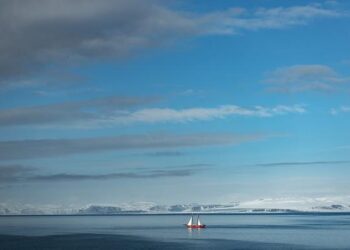
A mysterious “blob” of unusually warm water has surfaced off the Pacific Northwest coast, raising alarm among scientists and conservationists due to its detrimental effects on local wildlife. This expanding patch of hot water, detected by oceanographers earlier this year, has disrupted marine ecosystems, threatening fish populations and the broader food chain that depends on them. As researchers race to understand the causes and consequences of this phenomenon, communities reliant on fishing and tourism brace for potential economic and environmental fallout.
Hot Water Blob Disrupts Marine Ecosystems in the Pacific Northwest
A persistent pool of abnormally warm water, colloquially known as the “Hot Water Blob,” is causing significant upheaval across marine habitats along the Pacific Northwest coast. Since its emergence, this anomalous feature has altered ocean temperatures by several degrees Celsius, leading to drastic shifts in species distribution, reproductive cycles, and food availability. Fishermen and marine biologists alike have reported unusual patterns, including the sudden disappearance of certain cold-water fish species and the unexpected arrival of warmer-water predators and competitors.
The ecological ripple effects are visible throughout the food chain, threatening the delicate balance of this once-stable ecosystem. Key impacts include:
- Decline in salmon populations due to disrupted spawning conditions
- Mass strandings of sea birds and marine mammals affected by heat stress and food scarcity
- Proliferation of harmful algal blooms which poison shellfish and contaminate coastal waters
| Impact | Observed Change | Predicted Outcome |
|---|---|---|
| Salmon Migration | Shortened migration routes | Reduced catch yields |
| Plankton Species | Shift to warm-water varieties | Altered nutrient cycling |
| Marine Mammals | Higher incidence of stress-related mortality | Population declines |
Scientists Reveal Impact on Fish and Marine Mammal Populations
Recent research has unveiled a disturbing trend in the marine ecosystems of the Pacific Northwest, where rising ocean temperatures linked to the persistent warm-water anomaly, often dubbed the “blob,” have begun altering the delicate balance of aquatic life. Populations of key fish species, including salmon and herring, have experienced significant declines due to disrupted food chains and changes in spawning behaviors. Scientists note that these shifts are compounded by the blob’s interference with nutrient cycling, leading to reduced plankton abundance-an essential food source for juvenile fish and smaller marine organisms.
The ripple effects extend beyond fish, impacting a variety of marine mammals that depend on these fish stocks for sustenance. Marine biologists report troubling signs among orca pods and seals, such as diminished body condition and increased stranding events. These stressors highlight the urgent need for ongoing monitoring of population health and adaptive conservation strategies. Below is a snapshot of observed impacts on several affected species:
| Species | Observed Impact | Population Trend |
|---|---|---|
| Chinook Salmon | Reduced spawn success, delayed migration | Down 25% over 3 years |
| Herring | Lower juvenile survival rates | Decline of 18% |
| Southern Resident Orcas | Increased malnutrition signs | Population stable but vulnerable |
| Harbor Seals | More frequent strandings observed | Uncertain, early signs of distress |
- Disrupted food availability due to altered plankton dynamics
- Shifts in migratory patterns affecting reproductive success
- Increased physiological stress in marine mammals linked to nutritional deficits
Experts Urge Immediate Action to Mitigate Long-Term Environmental Damage
Scientists and environmentalists are sounding the alarm as the persistent heatwave phenomenon known as the “blob” continues to push ocean temperatures to unprecedented highs, severely impacting marine ecosystems in the Pacific Northwest. The thermal anomaly has disrupted the delicate balance of aquatic life, leading to alarming declines in fish populations, endangered seabird habitats, and widespread coral bleaching. Experts stress that unless immediate measures are enacted to curb emissions and protect vulnerable species, the long-term consequences could irreversibly damage biodiversity and the region’s fishing economy.
Urgent policy recommendations include:
- Reducing carbon emissions through stricter regulations and investment in green technology
- Implementing marine protected areas to safeguard critical habitats from further stress
- Enhancing monitoring systems for early detection of temperature spikes and ecosystem changes
- Supporting local communities dependent on fisheries with adaptive strategies and relief programs
| Environmental Factor | Current Impact | Recommended Action |
|---|---|---|
| Ocean Temperature | +3°C above average | Immediate emission cuts |
| Fish Populations | 40% decline in local species | Fishery quotas and habitat restoration |
| Seabird Nesting | Reduced success rates | Protection of nesting zones |
Closing Remarks
As the mysterious hot water “blob” continues to disrupt marine ecosystems along the Pacific Northwest, scientists and environmentalists urge increased monitoring and swift action to mitigate its impact on vulnerable wildlife. Understanding this phenomenon is crucial not only for preserving biodiversity but also for protecting the livelihoods that depend on these waters. Ongoing research will be key to unraveling the causes and consequences of this thermal anomaly, highlighting the urgent need for collaborative efforts to safeguard the region’s delicate ocean environment.