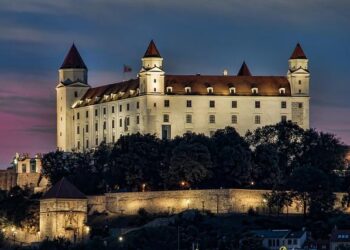
Slovakia has emerged as a dynamic hub in Central Europe, distinguished by its robust manufacturing sector, thriving automotive industry, and growing tourism market. Once known primarily for its industrial legacy, the country has rapidly transformed into a key player on the global stage, attracting major international carmakers and steadily expanding its visitor appeal. This article explores how Slovakia’s strategic investments and geographic advantages have fueled its economic resurgence, positioning it as a noteworthy case study in post-communist economic development.
Slovakia’s Manufacturing Boom Drives Economic Growth and Innovation
In recent years, Slovakia has rapidly emerged as a powerhouse in the manufacturing sector, particularly within the automotive industry. The country boasts some of the highest car production rates per capita in the world, attracting global giants such as Volkswagen, Kia, and PSA Peugeot Citroën. This industrial surge has not only fueled job creation but also positioned Slovakia as a critical node in European supply chains. The government’s strategic investments in infrastructure and research have further stimulated innovation, enabling local businesses to adopt advanced manufacturing technologies and embrace Industry 4.0 practices.
Beyond automotive assembly lines, Slovakia’s manufacturing growth extends to electronics, machinery, and chemical production, contributing significantly to GDP growth. Key factors driving this dynamic landscape include:
- Skilled Workforce: A well-educated and technically proficient labor pool supports complex manufacturing processes.
- Foreign Direct Investment: Incentives and favorable policies have attracted multinational corporations.
- Technological Advancements: Adoption of robotics, automation, and AI enhances productivity and competitiveness.
| Sector | Annual Growth Rate | Contribution to GDP |
|---|---|---|
| Automotive | 5.4% | 12% |
| Electronics | 4.1% | 6% |
| Chemicals | 3.6% | 4% |
Automotive Industry Emerges as a Global Leader Amid Competitive Challenges
Slovakia’s automotive sector has rapidly transformed the nation into one of Europe’s pivotal manufacturing powerhouses. Despite fierce competition from neighboring countries, the country has leveraged strategic investments in advanced technology and a skilled workforce to attract global automotive giants. Key industry players have prioritized innovation, particularly in electric vehicle production and autonomous driving systems, ensuring Slovakia remains competitive amidst evolving market demands. The government’s supportive policies and infrastructure improvements have further bolstered production efficiency and export capabilities, enabling slovakian automotive exports to expand steadily across international markets.
- Electric vehicles: Increasing share in total production.
- Supply chain resilience: Strengthened through regional partnerships.
- Skilled labor: Continuous workforce upskilling programs.
- R&D investment: Focus on sustainable automotive technologies.
The automotive industry’s economic impact extends beyond direct manufacturing jobs, stimulating growth in related sectors such as parts suppliers, logistics, and services. Notably, the industry’s export performance in 2023 demonstrated a robust growth rate, with key markets including Germany, France, and the United Kingdom driving demand. Below is an overview of Slovakia’s automotive export evolution over the past three years:
| Year | Export Volume (Thousands of Units) | Export Value (Billion €) |
|---|---|---|
| 2021 | 1,050 | 21.3 |
| 2022 | 1,180 | 24.6 |
| 2023 | 1,320 | 28.1 |
Tourism Development Strategies Focus on Sustainable Growth and Cultural Heritage Preservation
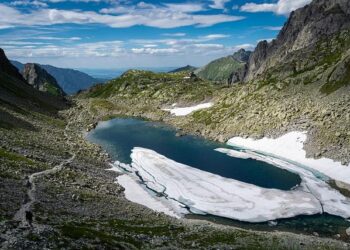
Slovakia has increasingly aligned its tourism strategies with principles that ensure long-term ecological balance and the safeguarding of its rich cultural narrative. Initiatives focus on minimizing environmental footprints by promoting eco-friendly accommodations, supporting local food producers, and encouraging travelers to explore natural reserves responsibly. Regions known for their pristine landscapes, such as the High Tatras and Slovak Paradise National Park, have seen investments in sustainable infrastructure designed to maintain biodiversity while offering authentic experiences.
In tandem with environmental efforts, preserving Slovakia’s diverse cultural heritage remains a cornerstone of tourism growth. Efforts include revitalizing historic towns like Banská Štiavnica and organizing festivals that celebrate traditional crafts, music, and folklore. These actions aim to cultivate immersive cultural tourism that benefits local communities economically and socially. Key focus areas include:
- Adaptive reuse of heritage buildings for tourism-related purposes
- Promotion of intangible cultural assets through workshops and exhibitions
- Collaboration with UNESCO to protect and promote World Heritage Sites
| Strategy | Key Objective | Impact |
|---|---|---|
| Eco-label Certification | Encourage sustainable business practices | Reduced environmental degradation |
| Cultural Heritage Trails | Connect historical sites with storytelling | Increased visitor engagement and local income |
| Community-Based Tourism Programs | Empower local communities as stakeholders | Enhanced social cohesion and economic benefits |
To Wrap It Up
In conclusion, Slovakia’s dynamic blend of manufacturing prowess, a robust automotive sector, and burgeoning tourism industry underscores its growing significance on the European stage. As the country continues to attract investment and visitors alike, its economic landscape reflects a resilient and diversified future. Observers will be watching closely to see how Slovakia balances industrial growth with cultural preservation and sustainable tourism in the years ahead.