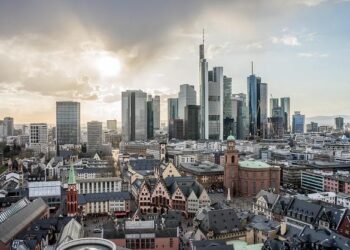
Germany’s industrial sector experienced its most significant boost in orders in two years, signaling a potential turnaround for Europe’s largest economy. According to recent Reuters data, the surge in industrial orders reflects renewed demand and a possible recovery from the disruptions caused by the global pandemic and supply chain challenges. This uptick comes as policymakers and investors closely monitor signs of economic resilience amid ongoing uncertainty.
German Industrial Orders Surge Reflects Rebounding Manufacturing Sector
The latest figures reveal a remarkable uptick in Germany’s industrial orders, signaling a strong resurgence for the country’s manufacturing sector. After a prolonged period of sluggish growth, industrial demand has accelerated sharply, driven by both domestic and international buyers. Key industries such as automotive, machinery, and electrical equipment saw significant gains, reinforcing Germany’s position as a vital hub in the global manufacturing landscape. Analysts note that this bounce-back points to increased business confidence and expanding production capacities, which could pave the way for sustained economic momentum.
Highlights of the recent industrial orders report include:
- Monthly growth: Orders surged by 5.3%, marking the largest increase since mid-2022.
- Export demand: Strong foreign interest accounted for over 60% of new orders, particularly from Asia and the US.
- Sector breakdown: Machinery and automotive sectors led the gains, while chemical products showed moderate improvement.
| Sector | Order Growth (%) | Contribution to Total Orders (%) |
|---|---|---|
| Automotive | 7.2 | 38 |
| Machinery | 6.5 | 29 |
| Electrical Equipment | 4.8 | 18 |
| Chemicals | 2.1 | 15 |
Key Drivers Behind the Strong Growth in German Industrial Demand
Surging demand in the automotive and machinery sectors has been a pivotal factor stimulating the recent uptrend in German industrial orders. Automotive manufacturers benefitted from a rebound in both domestic and international sales, particularly in electric vehicle components, where investments continue accelerating. Meanwhile, machinery producers have reported strong interest from export markets, driven by global supply chain realignments and the need to modernize aging industrial equipment.
Additional forces propelling this growth include:
- Increased government spending on green infrastructure projects, boosting demand for industrial hardware.
- Technological adoption in Industry 4.0, encouraging upgrades and higher production capacity.
- Resilience in supply chains due to diversified sourcing and localized production strategies.
| Sector | Growth Rate (%) | Contribution to Total Orders (%) | ||||||||||||||||
|---|---|---|---|---|---|---|---|---|---|---|---|---|---|---|---|---|---|---|
| Automotive Components | 12.5 | 35 | ||||||||||||||||
| Machinery & Equipment | 9.7 | 28 | ||||||||||||||||
| Strategies for Businesses to Capitalize on Accelerating Industrial Momentum To leverage the current upswing in industrial orders, businesses must adopt a multi-faceted approach centered on innovation and agility. Investing in advanced technologies such as Industry 4.0 solutions and automation can increase production efficiency, reduce lead times, and meet rising demand more effectively. Additionally, fostering strategic partnerships along the supply chain ensures better risk management and access to critical resources, enabling firms to respond swiftly to market fluctuations. Understanding evolving customer requirements and diversifying product offerings are equally crucial. Companies should focus on sustainable practices and customized solutions to capture niche markets and enhance brand loyalty. Deploying data analytics to monitor trends and forecast demand will empower decision-makers to allocate resources judiciously and optimize scalability.
Final ThoughtsAs Germany’s industrial orders post their largest rise in two years, the data signals a tentative recovery amid ongoing global economic uncertainties. While this uptick offers a positive indicator for the eurozone’s largest economy, analysts caution that sustained growth will depend on factors such as supply chain stability, energy prices, and international demand. Market watchers will be closely monitoring forthcoming reports to assess whether this rebound marks the beginning of a more robust industrial resurgence or a temporary fluctuation in the broader economic landscape. ADVERTISEMENT  Related Posts |