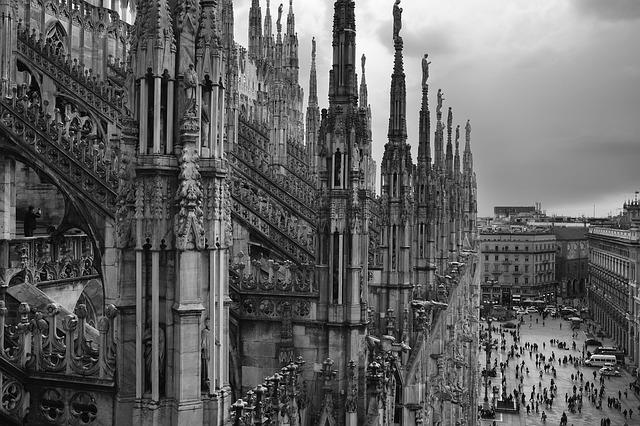
Milan, Italy – Traditionally hailed as one of the world’s fashion capitals, Milan is experiencing an unexpected shift as global attention moves away from its renowned fashion scene. This change comes in the wake of France’s successful integration of fashion into the Summer Olympics, an unprecedented move that has redefined the intersection of sports and style on an international stage. With the spotlight now firmly fixed on this historic development, Milan’s fashion influence appears to be waning, raising questions about the future dynamics of the global fashion industry.
Milan’s Fashion Scene Faces Uncertainty as Olympic Spotlight Shifts to France
The decision to include fashion as part of the cultural programs during the upcoming Summer Olympics in France has created waves beyond the sporting world. Milan, traditionally known as one of the globe’s foremost fashion capitals, now faces a period of unpredictability as international attention pivots toward Paris. Industry insiders worry this shift could impact Milan’s market share in fashion tourism, spotlight events, and global brand partnerships in the critical coming years.
Challenges facing Milan include:
- Potential decline in international visitor numbers during peak fashion seasons
- Reduced media coverage as the Olympic spotlight colors Paris’ cultural narrative
- Competition for sponsorship and investment diverted towards Olympic-related ventures
| Category | Milan | Paris (Olympics 2024) |
|---|---|---|
| Fashion Week Timing | February & September | July (Olympic period) |
| Global Media Coverage | High but Stable | Surging with Olympics |
| Fashion-Related Events | Numerous | Integrated with Olympic activities |
Key Takeaways:
- Timing: Milan’s established Fashion Weeks occur in February and September, which are outside the Olympic timeframe. However, the Olympic spotlight in July will bring an unprecedented fashion-focused audience to Paris mid-year.
- Media Coverage: Milan’s global media coverage remains strong and steady, but the surge in Olympic-related publicity could overshadow the usual fashion coverage during that period.
- Events and Engagement: Paris is leveraging the Olympics to integrate fashion into the broader cultural experience, mixing sport, fashion, and entertainment in new ways. Milan’s numerous traditional events may see lower prominence internationally as a result.
Strategic Considerations for Milan:
- Innovate and Differentiate: Milan could emphasize innovation in fashion and technology to keep global audiences engaged beyond traditional fashion weeks.
- Collaborate with Olympic Brands: Exploring partnerships that connect Milanese fashion houses with Olympic sponsors or events could create new visibility avenues.
- Expand Off-Season Events: Developing compelling off-season events or digital campaigns during the Olympic period might counterbalance media shifts.
Summary Table Recap:
| Category | Milan | Paris (Olympics 2024) |
|————————|————————|—————————————–|
| Fashion Week Timing | February & September | July (Olympic period) |
| Global Media Coverage | High but Stable | Surging with Olympics |
| Fashion-Related Events | Numerous | Integrated with Olympic activities |
Overall, while the Paris 2024 Olympics present a temporary shift in global attention, cities like Milan can adapt strategically to maintain their leadership in the fashion world.
Impact on Local Designers and Industry Stakeholders Amid Changing Priorities
The sudden shift in Milan’s fashion calendar has sent ripples through the local design community. Established ateliers and emerging talents alike face an uncertain future as global attention pivots toward France, now regarded as the epicenter of Olympic fashion integration. For many designers, the reallocation of resources and sponsorships means scaling back ambitious projects, postponing innovative collections, and recalibrating business strategies to maintain relevance in a more fragmented market.
Industry stakeholders highlight several immediate consequences:
- Decreased international media coverage: Milan’s traditional fashion weeks are now overshadowed, resulting in diminished press exposure for local designers.
- Sponsorship realignment: Brands and investors are diverting funds to align with the Olympic fashion showcase in France, leaving Milan’s events underfunded.
- Talent migration concerns: Rising designers contemplate relocation or forming partnerships abroad to capitalize on broader markets.
| Stakeholder | Primary Concern | Potential Response |
|---|---|---|
| Local Designers | Loss of global platform | Focus on niche markets & digital showcases |
| Fashion Houses | Reduced event funding | Strategic partnerships & collaborations |
| Emerging Talents | Limited exposure and market access | Seek international collaborations & online platforms |
| Initiative | Expected Outcome | Timeline |
|---|---|---|
| Digital-Physical Fashion Week | Increased global engagement & sales | Within 12 months |
| Sustainable Textile Innovation Grants | Advancement in eco-friendly materials | Next 2 years |
| Global Brand Partnerships | Expanded international market share | 6-18 months |
In Summary
As Milan’s traditional role as a global fashion hub faces new uncertainties, the integration of fashion into the Summer Olympics by France signals a shifting landscape in international style and cultural showcases. While Milan continues to hold its historical significance in the fashion world, stakeholders will need to navigate these emerging dynamics carefully. The evolving interplay between global events and regional industries underscores the broader changes shaping the future of fashion on the world stage.