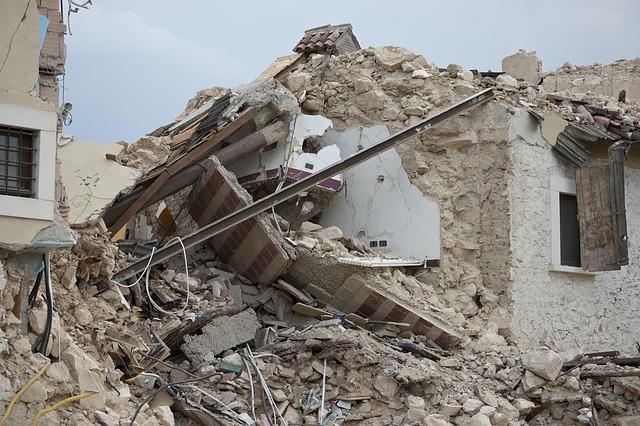
A magnitude 4.9 earthquake rattled the region near Tetovo, North Macedonia, earlier today, according to reports from geological monitoring agencies. The tremor was felt across nearby communities, raising concerns about structural safety and prompting local authorities to assess potential damage. This event highlights the seismic activity present in the area, which lies within a complex tectonic zone. Further investigations are underway to understand the impact and any related geological implications.
Magnitude 4.9 Earthquake Rattles Tetovo Region Raising Seismic Concerns
A seismic event registering magnitude 4.9 occurred near the Tetovo region earlier today, sending shockwaves through local communities and raising alarms among geologists monitoring the area. The tremor, traced to a shallow depth, caused minor infrastructure damage but was strongly felt across surrounding villages. Authorities confirmed there were no casualties, though emergency response teams remain on alert, given the region’s increasing seismic activity over the past months. This quake’s proximity to a recently discovered volcanic formation has intensified scientific scrutiny, as experts investigate potential correlations between tectonic stress and volcanic activity in this part of North Macedonia.
Key insights from initial reports include:
- Location: Approximately 10 km southwest of Tetovo city center
- Depth: Approximately 5 km beneath the earth’s surface
- Aftershocks: Several minor tremors recorded within hours post-event
- Volcanic link: Researchers are exploring emerging patterns in geothermal anomalies
| Parameter | Details |
|---|---|
| Magnitude | 4.9 Mw |
| Epicenter | Southwest Tetovo |
| Depth | 5 km |
| Registered Shaking Intensity | V (Moderate) |
Assessment of Structural Damage and Emergency Response Efforts in North Macedonia
Initial inspections following the 4.9 magnitude earthquake near Tetovo have revealed a mixed pattern of structural impact across affected areas. While no major collapses have been reported, several older buildings and residential homes exhibited cracks in walls, damaged facades, and compromised foundations. Local authorities issued safety advisories urging residents to avoid entering visibly affected structures until further engineering evaluations are conducted. Public infrastructure, including bridges and schools, underwent rapid assessments to rule out significant operational hazards. The swift mobilization of urban search and rescue teams has been pivotal in preventing secondary injuries and ensuring community safety.
Emergency response efforts have been characterized by coordinated actions among municipal services, national agencies, and volunteer groups. Key measures include:
- Establishment of temporary relief centers equipped with medical and psychological support
- Deployment of mobile damage assessment units with drone surveillance capabilities
- Continuous monitoring of aftershock activity to anticipate further risks
- Public information campaigns via media and social platforms to guide residents on safety protocols
| Damage Type | Reported Cases | Priority Level |
|---|---|---|
| Wall Cracks | 85 | Medium |
| Foundation Issues | 23 | High |
| Facade Damage | 42 | Medium |
| Infrastructure Checks | 15 | High |
Expert Recommendations for Earthquake Preparedness and Community Safety Measures
In the wake of the recent 4.9 magnitude earthquake near Tetovo, specialists underline the urgent need for comprehensive preparedness strategies to mitigate risks in seismically active regions. Residents are advised to prioritize structural safety by reinforcing buildings, securing heavy furniture, and ensuring that emergency kits are readily accessible. Authorities recommend the following key actions for individual and community readiness:
- Develop a family emergency plan that includes communication protocols and safe meeting points.
- Participate in community drills to improve coordination and response times.
- Install smoke detectors and check gas lines to prevent secondary hazards post-earthquake.
- Keep important documents and cash accessible for emergencies.
Local governments and disaster management agencies are also urged to enhance early warning systems and maintain clear evacuation routes. Collaborative efforts between authorities and citizens can significantly reduce injuries and fatalities during seismic events. The table below highlights basic safety supplies recommended for households in the region:
| Item | Recommended Quantity |
|---|---|
| Water | 3 liters per person per day (3-day minimum) |
| Non-perishable Food | 3-day supply |
| First Aid Kit | 1 complete kit per household |
| Flashlight | 2 with extra batteries |
| Portable Phone Charger | 1 per family member |
Concluding Remarks
The 4.9 magnitude earthquake near Tetovo serves as a reminder of the seismic activity that can affect the region. While no major damage or casualties have been reported, authorities continue to monitor the situation closely. Residents are advised to stay informed through official channels and adhere to safety guidelines in the event of further tremors. Updates will be provided as more information becomes available.