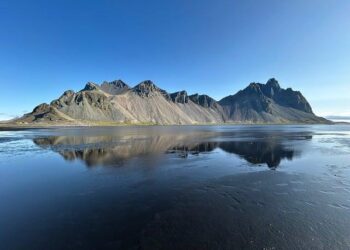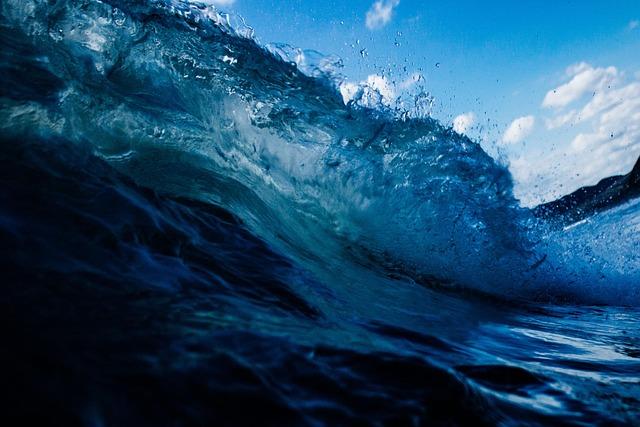
Scientists have issued a cautionary alert regarding significant changes in ocean currents that may dramatically impact Iceland’s climate. Recent research reveals that shifts in the North Atlantic circulation could lead to altered weather patterns, affecting everything from temperature to precipitation across the island nation. As these developments unfold, experts emphasize the urgent need to monitor oceanic behavior closely to better understand the potential environmental and socioeconomic consequences for Iceland.
Scientists Detail Potential Climate Impacts of Changing Ocean Currents on Iceland
Recent research conducted by leading oceanographers and climate scientists suggests a pronounced shift in the North Atlantic Ocean currents, which could have significant consequences for Iceland’s regional climate. The alteration in these oceanic flows, primarily driven by changing temperature and salinity gradients, threatens to disrupt established weather patterns, potentially leading to cooler summers and harsher winters across the island. Key findings highlight that these shifts may directly affect marine ecosystems, fisheries, and the livelihoods dependent on them.
Among the potential impacts identified are:
- Reduced heat transport from the Gulf Stream, resulting in lower average temperatures
- Increased frequency of extreme weather events including storms and heavy precipitation
- Alterations in nutrient circulation affecting fish migration and breeding habitats
| Ocean Current | Current Role | Potential Change |
|---|---|---|
| North Atlantic Drift | Warms Iceland’s coast | Flow reduction, colder coastal waters |
| Iceland-Faroe Ridge Overflow | Regulates deep water formation | Disruption, affecting global thermohaline circulation |
Experts Highlight Risks to Marine Ecosystems and Local Fisheries
Marine biologists and local fishery experts have raised alarms over the projected shift in ocean currents surrounding Iceland, emphasizing profound implications for the region’s delicate marine ecosystems. Changes in water temperature and salinity are expected to disrupt the migratory patterns of key species such as Atlantic cod, capelin, and haddock, which are foundational to both biodiversity and commercial fishing. Experts warn that these disruptions could lead to reduced fish populations, altered spawning behaviors, and increased vulnerability to invasive species.
Key ecological risks include:
- Reduced plankton blooms, which serve as the base of the food chain;
- Shifts in predator-prey relationships, threatening species balance;
- Potential collapse of traditional fishery zones, impacting livelihoods;
- Increased frequency of harmful algal blooms linked to warming waters.
| Species | Expected Impact | Fishing Industry Effect |
|---|---|---|
| Atlantic Cod | Migration northward | Decline in southern catch zones |
| Capelin | Altered spawning timing | Increased catch variability |
| Haddock | Reduced population size | Higher market prices, reduced supply |
Recommendations Urge Increased Monitoring and Adaptive Environmental Policies
In light of recent findings, experts emphasize the necessity of expanding oceanographic monitoring networks around Iceland. Continuous, real-time data collection is deemed critical for detecting subtle shifts in the North Atlantic current system that could precede significant climatic changes. This enhanced surveillance would empower policymakers to respond proactively rather than reactively, minimizing economic and environmental risks associated with abrupt weather pattern alterations.
To address these challenges, scientists outline a set of adaptive policy measures that prioritize flexibility and resilience. Key strategies include:
- Dynamic fisheries management: adjusting quotas based on shifting species migration influenced by changing currents.
- Investment in climate-resilient infrastructure: fortifying coastal defenses to withstand unpredictable weather extremes.
- Strengthening international cooperation: sharing transnational data and coordinating responses to ocean current variations.
- Public awareness campaigns: educating communities about potential climate impacts and adaptive practices.
| Policy Focus | Expected Outcome | Implementation Timeline |
|---|---|---|
| Expanded Ocean Monitoring | Early detection of current shifts | 1-2 years |
| Flexible Fisheries Quotas | Sustainable fish stocks | Ongoing |
| Infrastructure Resilience | Reduced storm damage | 3-5 years |
| International Collaboration | Coordinated climate response | Immediate & ongoing |
Concluding Remarks
As researchers continue to monitor the shifting patterns of ocean currents, the potential impacts on Iceland’s climate remain a growing concern. Scientists emphasize the need for ongoing study and international cooperation to better understand these changes and prepare for their consequences. With the North Atlantic playing a crucial role in regulating regional weather, the coming years will be critical in assessing how these oceanic shifts may reshape Iceland’s environmental and economic future.