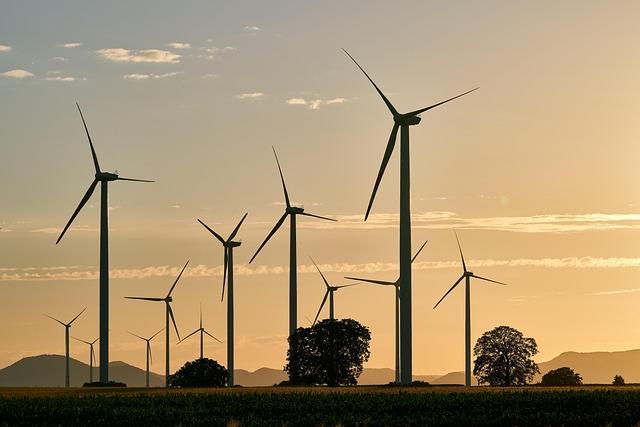
Portugal is taking a decisive step toward harmonizing clean energy development with environmental conservation through the release of the “Renewable Energy Smart Siting Guide,” a new initiative led by The Nature Conservancy. As the country accelerates its transition to renewable energy sources, this guide aims to provide developers, policymakers, and stakeholders with practical tools to identify optimal locations for renewable projects that minimize impacts on biodiversity and natural habitats. By balancing Portugal’s ambitious climate goals with the preservation of its rich ecological heritage, the guide represents a critical resource in the nation’s pursuit of sustainable and responsible energy growth.
Renewable Energy Priorities and Environmental Considerations in Portugal
Portugal has made significant strides in adopting renewable energy, balancing rapid development with robust environmental safeguards. The country’s diverse ecosystems, from coastal wetlands to mountainous forests, require careful planning to minimize impacts on biodiversity. Prioritizing areas with lower ecological sensitivity, such as degraded lands or existing infrastructure sites, is crucial for sustainable renewable energy deployment. Additionally, integrating strategic environmental assessments early in project planning helps avoid conflicts with protected species and habitats.
Key environmental considerations include:
- Preservation of migratory bird routes, particularly along the Atlantic flyway
- Protection of endangered flora and fauna endemic to Portuguese bioregions
- Mitigation of habitat fragmentation through careful siting and corridor maintenance
- Reduction of noise and visual disturbances in sensitive natural parks
- Incorporation of renewable technologies that complement the local landscape, including offshore wind and solar PV
| Priority Renewable Source | Environmental Benefit | Preferred Siting Zone |
|---|---|---|
| Solar Photovoltaic | Low emissions, modular installation | Brownfields, urban areas |
| Onshore Wind | High energy yield | Degraded hills, agricultural lands |
| Offshore Wind | Minimal land impact | Coastal zones, >12 nautical miles |
Balancing Infrastructure Development with Biodiversity Protection
As Portugal advances its commitment to renewable energy, the challenge of integrating infrastructure expansion with the safeguarding of native ecosystems becomes increasingly critical. Smart siting practices emphasize the use of existing disturbed lands-such as abandoned agricultural fields and degraded industrial sites-to minimize habitat loss and fragmentation. By prioritizing these areas, developers can reduce the pressure on sensitive biodiversity hotspots, while still meeting the nation’s ambitious clean energy goals. Incorporating comprehensive environmental assessments early in project planning helps identify key species and migration corridors, ensuring that development avoids critical habitats.
Key strategies include:
- Utilizing multi-criteria spatial analysis to balance energy potential and ecological sensitivity.
- Engaging local communities and conservation experts to inform site selection.
- Implementing adaptive management practices to monitor and mitigate unforeseen impacts post-construction.
| Consideration | Impact Level | Mitigation Approach |
|---|---|---|
| Proximity to Protected Areas | High | Buffer Zones & Restricted Development |
| Bird Migration Corridors | Medium | Seasonal Operational Adjustments |
| Soil Disturbance | Low | Restoration & Rehabilitation Post-Construction |
Strategies for Community Engagement and Sustainable Site Selection
Engaging local communities early and consistently is crucial for fostering acceptance and cooperation in renewable energy projects. Developers and stakeholders are encouraged to prioritize transparent communication, creating forums for dialogue where concerns about environmental impact and land use can be openly addressed. Involving community leaders and environmental groups in decision-making not only enriches the project with local knowledge but also builds long-term support. Employing digital tools such as interactive maps and virtual project walk-throughs can further enhance community participation, making technical information accessible and understandable to all.
Sustainability in site selection hinges on balancing resource availability with ecological and social considerations. Developers should integrate multi-criteria assessments that weigh environmental sensitivity, cultural heritage, and land-use conflicts equally alongside wind or solar potential. The table below summarizes key factors to evaluate when selecting smart sites in Portugal:
| Factor | Considerations | Impact on Site Viability |
|---|---|---|
| Biodiversity Hotspots | Protected species habitats, migration corridors | Avoidance reduces ecological disruption |
| Community Land Use | Agricultural zones, recreational areas | Mitigation limits social conflicts |
| Infrastructure Access | Roads, grid connectivity | Improves project feasibility and cost-efficiency |
| Cultural Heritage Sites | Historical landmarks, archaeological reserves | Respect safeguards community identity |
| Factor | Considerations | Impact on Site Viability |
|---|---|---|
| Biodiversity Hotspots | Protected species habitats, migration corridors | Avoidance reduces ecological disruption |
| Community Land Use | Agricultural zones, recreational areas | Mitigation limits social conflicts |
| Infrastructure Access | Roads, grid connectivity | Improves project feasibility and cost-efficiency |
| In Conclusion As Portugal continues to advance its renewable energy ambitions, the Renewable Energy Smart Siting Guide developed by The Nature Conservancy offers a critical roadmap to balance development with conservation. By integrating environmental considerations into planning processes, the guide aims to minimize ecological impacts while accelerating the nation’s clean energy transition. As policymakers and industry stakeholders look to the future, this tool underscores the importance of strategic siting in achieving sustainable, nature-friendly energy growth across Portugal. ADVERTISEMENT  Related Posts |