Germany is stepping up its game in the competitive European travel market, joining Slovenia, the United Kingdom, Greece, Portugal, France, Italy, and several other nations in attracting a growing influx of tourists through a strategic emphasis on luxury hospitality, high-profile events, and sustainable tourism policies. As global travelers increasingly seek experiences that combine comfort, culture, and environmental responsibility, these countries are positioning themselves as premier destinations by investing in upscale accommodations, hosting world-class events, and implementing eco-friendly initiatives. This coordinated effort marks a significant shift in Europe’s tourism landscape, highlighting the region’s commitment to innovation and sustainability in the post-pandemic era.
Germany Strengthens Its Position in European Luxury Tourism Through Innovative Hospitality Experiences
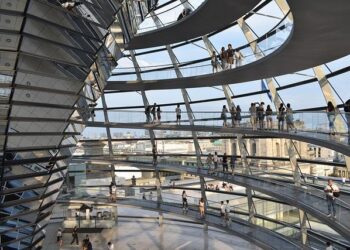
Germany’s luxury tourism sector is experiencing a significant uplift, driven by a wave of innovative hospitality concepts that blend tradition with modernity. Cities such as Berlin, Munich, and Hamburg are now showcasing a host of bespoke experiences, including private art tours at historic estates, , and customized wellness retreats set in idyllic natural surroundings. These offerings aim to captivate discerning travelers seeking exclusivity and authenticity. By leveraging cutting-edge technology alongside sustainable practices, Germany is crafting memorable luxury journeys that stand out in the competitive European market.
Collaborations between luxury hoteliers, local artisans, and environmental experts underscore Germany’s commitment to sustainability without compromising on opulence. The country’s approach is clearly reflected in its upscale accommodation options, which boast:
- Eco-certified flagship hotels integrating renewable energy and waste reduction systems
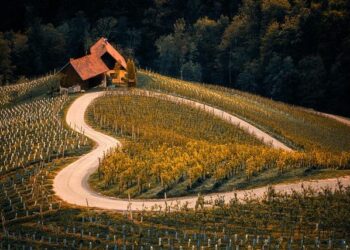
- Exclusive vineyard tours paired with organic gourmet tastings
- Culturally immersive events highlighting regional heritage with modern twists
This strategic alignment with broader European trends cements Germany’s growing role as a preferred destination for luxury travelers looking for responsible yet refined holiday experiences.
| Feature | Examples | Benefit |
|---|---|---|
| High-End Gastronomy | Michelin Pop-ups, Chef’s Table | Unique dining with local ingredients |
| Eco-Friendly Stays | Solar-powered resorts, Green certifications | Reduced environmental footprint |
| Cultural Experiences | Private museum tours, Artisan workshops | Authentic heritage discovery |
Sustainable Policies Drive Growth in Tourism Across Major European Destinations
Across Europe, governments and local authorities have embraced sustainability as the cornerstone of their tourism strategies. By integrating eco-friendly infrastructure, green transport options, and conservation programs, destinations are not only safeguarding their natural and cultural heritage but also enhancing visitor experiences. This shift encourages longer stays and higher spending, as tourists increasingly seek responsible travel choices that minimize environmental impact without compromising comfort and luxury. Initiatives like waste reduction in hotel chains, support for local artisans, and carbon-neutral event management underscore a continental commitment to sustainable tourism growth.
Key players in this movement leverage a combination of policies and investments to create compelling reasons for travelers to explore diverse European locales. The results are reflected in rising tourist arrivals and boosted revenues, as shown below:
| Country | Tourist Growth (%) 2023 | Sustainability Initiatives |
|---|---|---|
| Germany | 12.4% | Green transport networks, luxury eco-resorts |
| Slovenia | 15.1% | Protected natural parks, authentic cultural events |
| United Kingdom | 10.8% | Carbon-neutral festivals, sustainable urban tours |
| Portugal | 13.3% | Renewable energy hotels, local food initiatives |
These examples signal that a focus on sustainability paired with luxury hospitality and world-class events can effectively attract discerning visitors, creating a harmonious blend of economic vitality and environmental responsibility throughout Europe.
Event-Driven Strategies Boost Visitor Engagement and Economic Impact in Germany and Beyond
Across Europe, innovative event-driven strategies have become a pivotal tool in elevating visitor engagement and stimulating local economies. Germany, following in the footsteps of countries like Slovenia, the United Kingdom, and Italy, has seamlessly integrated luxury hospitality with dynamic events to deliver unique experiences that resonate with modern travelers. From curated cultural festivals and exclusive art exhibitions to high-profile sporting events, these initiatives not only captivate diverse audiences but also extend visitor stays and increase spending in regional hotspots.
Key components driving success include:
- Collaborative partnerships between public institutions and private luxury brands
- Smart incorporation of sustainability practices to appeal to eco-conscious tourists
- Targeted marketing campaigns leveraging digital platforms and influencer outreach
- Flexible event formats blending in-person and virtual participation to widen reach
| Country | Event Type | Economic Impact |
|---|---|---|
| Germany | Luxury Cultural Festivals | €120M+ annually |
| France | Gastronomy and Wine Events | €85M annually |
| Italy | Fashion and Design Weeks | €95M annually |
Key Takeaways
As Germany follows in the footsteps of Slovenia, the United Kingdom, Greece, Portugal, France, Italy, and other European nations by enhancing its luxury hospitality, hosting world-class events, and implementing sustainable tourism policies, the continent’s appeal as a premier travel destination continues to grow. This collective push not only boosts local economies but also sets a new standard for responsible and high-quality tourism in Europe. As travelers increasingly seek unique and environmentally conscious experiences, these developments position Europe at the forefront of the global tourism industry, promising a vibrant and sustainable future for the sector.