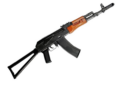
Belarus has initiated an unexpected mobilization of reservists as part of sudden military exercises, signaling a significant escalation in regional defense readiness. The snap drills come amid heightened tensions in Eastern Europe, raising concerns about the broader security implications for neighboring countries. This development was reported by The New Voice of Ukraine, highlighting Belarus’s strategic maneuvering in a volatile geopolitical landscape.
Belarus Mobilizes Reservists Amid Rising Regional Tensions
In response to escalating tensions in Eastern Europe, Belarus has initiated an urgent call-up of reservists to participate in snap military drills. This rapid mobilization signifies a strategic move by Minsk, reinforcing its defense readiness amid growing uncertainties in the region. Defense sources indicate the drills will encompass combined arms exercises, rapid deployment strategies, and air defense coordination, aiming to enhance operational capabilities and readiness levels within a condensed timeframe.
The mobilized reservists, drawn from various military branches, will engage in intensive training across multiple locations nationwide. Key objectives include:
- Testing command and control systems under stress conditions
- Enhancing interoperability between ground and air units
- Simulating border security scenarios to respond to potential incursions
| Drill Component | Duration | Key Focus |
|---|---|---|
| Rapid Deployment | 3 days | Logistics & mobilization |
| Combined Arms | 5 days | Inter-branch coordination |
| Air Defense | 2 days | Surface-to-air tactics |
Analyzing the Strategic Implications of Belarusian Military Drills
Belarus’s decision to initiate snap military drills by mobilizing reservists signals a clear escalation in its defense posture amid regional tensions. This rapid activation not only demonstrates Minsk’s intent to showcase military readiness but also serves as a potent message to NATO and neighboring countries about its strategic alignment with Moscow. The scale and timing of these exercises hint at a broader geopolitical calculation, reflecting Belarus’s role as a pivotal buffer state and its willingness to solidify military cooperation with Russia under the current security landscape.
Key strategic considerations include:
- Force posture enhancement: Rapid reservist call-ups increase troop availability, ensuring Belarusian forces can mobilize swiftly in defense scenarios.
- Signal of deterrence: The drills act as a strong deterrent against potential adversaries by emphasizing preparedness and operational capability.
- Political messaging: Reinforcing Belarus’s commitment to alliance obligations, especially given its close ties to Russia.
- Internal regime stability: Military mobilization also reinforces political cohesion, projecting strength both domestically and internationally.
| Aspect | Implication | Potential Outcome |
|---|---|---|
| Reservist Mobilization | Rapid scaling of manpower | Enhanced defense readiness |
| Joint Exercises with Russia | Improved interoperability | Stronger military alliance |
| Geopolitical Messaging | Assertive regional posture | Heightened diplomatic tensions |
Recommendations for Neighboring States on Monitoring Belarusian Defense Activities
Neighboring states should intensify their surveillance and intelligence-gathering efforts to closely track Belarus’ accelerated military activities. This includes increasing aerial reconnaissance missions and enhancing signals intelligence (SIGINT) capabilities along the shared borders. Cooperation and real-time data sharing between national defense agencies in the region will be crucial to detect any sudden troop movements or equipment repositioning. Leveraging satellite imagery alongside ground-level reports can provide a multi-dimensional view of the exercises and help predict any potential escalation.
Recommendations for regional governments:
- Deploy additional radar and drone assets for continuous border monitoring.
- Coordinate joint drills and intelligence briefings with other affected countries.
- Establish emergency communication protocols to quickly respond to rapid developments.
- Analyze the scope and scale of the snap exercises to assess Belarus’ military readiness and intentions.
| Monitoring Method | Primary Objective | Implementation | |||||||||
|---|---|---|---|---|---|---|---|---|---|---|---|
| Satellite Imagery | Track large-scale troop deployments | Regular passes over key military zones | |||||||||
| Signals Intelligence (SIGINT) | Intercept and analyze communications | Deploy mobile interception units near border areas | |||||||||
| Drones and UAVs | Real-time surveillance of It looks like your table was cut off at the last row under the “Drones and UAVs” monitoring method. Here’s the completed table row for that item, along with the full table and other content for your review: “`html Neighboring states should intensify their surveillance and intelligence-gathering efforts to closely track Belarus’ accelerated military activities. This includes increasing aerial reconnaissance missions and enhancing signals intelligence (SIGINT) capabilities along the shared borders. Cooperation and real-time data sharing between national defense agencies in the region will be crucial to detect any sudden troop movements or equipment repositioning. Leveraging satellite imagery alongside ground-level reports can provide a multi-dimensional view of the exercises and help predict any potential escalation. Recommendations for regional governments:
|