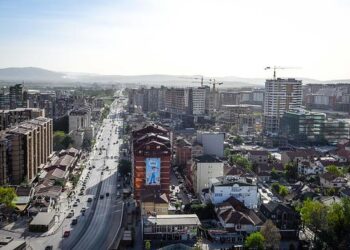
Kosovo, a small Balkan territory rich in cultural history, has remained at the center of international attention since its unilateral declaration of independence in 2008. Emerging from decades of ethnic tensions and violent conflict, Kosovo’s bid for sovereignty has sparked ongoing debate and division among global powers and neighboring states. This article explores the complex journey of Kosovo’s self-declared independence, the historical roots of conflict in the region, and the evolving political landscape as documented by Britannica.
Kosovo’s Path to Self-Declared Independence Navigating International Recognition and Political Challenges
In February 2008, Kosovo unilaterally declared its independence from Serbia, a bold move that ignited deep international debate and political friction. The declaration followed years of ethnic tensions, armed conflict, and the intervention of NATO forces in 1999. Since then, Kosovo’s journey toward full sovereignty has been marked by complex diplomacy as it seeks global recognition amidst opposition from key states, including Serbia and its allies. Despite gaining the endorsement of over 100 United Nations member countries, including the United States and much of the European Union, Kosovo remains unrecognized by others, which complicates its integration into international institutions.
Navigating this turbulent landscape involves addressing several ongoing challenges. Kosovo’s efforts to consolidate governance and economic stability are hindered by partial recognition and regional political disputes. Its status also raises critical legal questions under international law, as well as concerns about regional security. Key factors defining this complex scenario include:
- Diplomatic recognition disparities across different continents
- Serbia’s refusal to acknowledge independence, supported by Russia and China
- EU-facilitated dialogue aiming to normalize relations between Kosovo and Serbia
- Internal political dynamics impacting governance and minority rights
| Year | Key Event | Impact |
|---|---|---|
| 1999 | NATO intervention ends conflict | UN administration established |
| 2008 | Kosovo declares independence | Mixed global recognition begins |
| 2013 | Brussels Agreement signed with Serbia | Improves dialogue and cooperation efforts |
Examining the Root Causes and Major Players in the Kosovo Conflict
The conflict in Kosovo stems from a complex mix of historical grievances, ethnic tensions, and geopolitical dynamics. Central to the unrest was the longstanding discord between the ethnic Albanian majority, who sought greater autonomy or independence, and the Serbian government, which viewed Kosovo as a vital part of its national heritage. The dissolution of Yugoslavia in the 1990s exacerbated these tensions, leading to violent confrontations fueled by competing nationalisms and international interests. Deep-seated mistrust and conflicting narratives over territorial claims created a volatile environment that erupted into open conflict by the late 1990s.
Key actors in the crisis ranged from local factions to global powers, each shaping the trajectory of the conflict. Prominent players include:
- The Kosovo Liberation Army (KLA): An ethnic Albanian paramilitary organization advocating for Kosovo’s independence through armed resistance.
- Serbian Government and Military: Led by Slobodan Milošević, aimed to maintain control over Kosovo, often employing harsh measures against dissent.
- NATO: Intervened militarily in 1999 with an air campaign intended to halt Serbian actions and protect civilians.
- International Community: Various UN bodies and the EU played roles in peacekeeping and political negotiations post-conflict.
| Entity | Role | Impact |
|---|---|---|
| KLA | Insurgent Force | Galvanized ethnic Albanian resistance |
| Serbian Government | State Authority | Maintained hardline stance, resisted autonomy |
| NATO | Military Coalition | Forced Serbian withdrawal via air strikes |
| UNMIK (UN Mission) | Peacekeeping | Administered Kosovo post-conflict |
Strategic Recommendations for Sustainable Peace and Regional Stability in Kosovo
Achieving lasting peace in Kosovo requires a multi-dimensional approach that places emphasis on inclusive governance and robust civil society engagement. Prioritizing dialogue between ethnic communities is essential to bridge divides and foster mutual understanding. Equally important is the empowerment of youth through educational reforms that promote tolerance and civic responsibility. International stakeholders must focus on supporting institutions that uphold the rule of law and combat corruption, thereby strengthening public confidence and encouraging foreign investment. Without addressing socio-economic disparities, long-term stability remains elusive.
To facilitate sustainable development, regional cooperation should be enhanced via economic partnerships and security arrangements that transcend political boundaries. Key strategic objectives include:
- Establishing joint infrastructure projects to improve connectivity and foster trade.
- Creating conflict resolution platforms involving both local leaders and international mediators.
- Implementing standardized minority rights protections aligned with European Union norms.
Evidence suggests that synergizing these efforts will pave the way to a resilient peace framework capable of withstanding regional pressures.
| Strategic Pillar | Key Focus | Expected Outcome |
|---|---|---|
| Governance | Transparency & Accountability | Enhanced Public Trust |
| Economic Cooperation | Cross-border Trade & Investment | Regional Growth |
| Social Inclusion | Education & Minority Rights | Reduced Ethnic Tensions |
In Summary
In the complex and ongoing narrative of Kosovo’s quest for sovereignty, the region remains a focal point of international diplomacy and regional tension. Declared independent in 2008, Kosovo’s status continues to evoke divergent responses from global powers, reflecting broader geopolitical interests and historical grievances. As dialogues and disputes persist, the story of Kosovo underscores the enduring challenges of self-determination, national identity, and the pursuit of lasting peace in the Balkans.