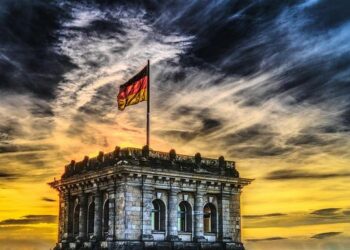
Germany is forging new alliances amid shifting global dynamics, marking a significant turn in its foreign policy landscape. In an exclusive report, theTrumpet.com explores Germany’s emerging partnerships that promise to reshape its economic, political, and strategic engagements on the world stage. As traditional ties evolve, this article delves into the motivations behind Germany’s outreach to unconventional allies, the implications for European and global geopolitics, and what these new connections mean for the future balance of power.
Germany’s Strategic Shift in International Alliances
In recent years, Germany has been recalibrating its foreign policy, seeking to diversify its international partnerships beyond the traditional European framework. This realignment highlights Berlin’s intent to establish a more autonomous stance amid global power shifts. By engaging with emerging economies and reinforcing ties with key players in Asia and the Middle East, Germany aims to secure strategic advantages that go beyond the EU’s conventional reach. This maneuver marks a significant departure from its historically steady alliance with Western powers, reflecting a pragmatic approach to geopolitical volatility.
Germany’s new diplomatic efforts focus on creating multi-dimensional collaborations, emphasizing:
- Economic diversification: Strengthening trade links with non-Western markets to reduce dependencies.
- Security partnerships: Exploring joint defense initiatives outside NATO’s strict framework.
- Technological exchanges: Investing in innovation hubs in Asia and the Gulf to stay competitive.
This strategy is underpinned by Berlin’s recognition that future global stability will hinge on both traditional alliances and innovative, flexible partnerships.
| Region | Focus Area | Key Initiative |
|---|---|---|
| Asia | Technology & Trade | Smart Industry Collaborations |
| Middle East | Energy & Security | Renewable Energy Partnerships |
| Africa | Infrastructure Development | Green Transport Networks |
Implications of New Partnerships for European Stability
Germany’s evolving alliances signal a strategic recalibration that could reshape the European political landscape. By expanding ties beyond traditional EU partners, Germany is positioning itself as a pivotal actor capable of mediating regional tensions and fostering economic stability. These emerging partnerships offer a platform for collaborative innovation while addressing pressing challenges such as energy security, migration, and defense cooperation. The resulting network diversification could mitigate overreliance on any single bloc, enhancing resilience amid a fluid geopolitical environment.
Key areas impacted by these new collaborations include:
- Economic Integration: Increased trade agreements with non-EU states promise to boost Germany’s export markets and stabilize supply chains.
- Security Alliances: Joint military exercises and intelligence sharing aim to confront mutual threats and reinforce NATO’s strategic depth.
- Energy Policies: Cooperative ventures in renewable energy seek to reduce European dependence on external fossil fuel sources.
| Partnership Focus | Primary Benefit | Potential Risk |
|---|---|---|
| Technology & Innovation | Boost in competitive industries | Intellectual property concerns |
| Defense Cooperation | Enhanced regional security | Heightened tensions with adversaries |
| Energy Collaboration | Improved sustainability | Dependency on unstable regions |
Policy Recommendations for Navigating Emerging Geopolitical Dynamics
Germany faces a rapidly shifting geopolitical landscape that demands a recalibrated approach to international alliances. Embracing a diversified set of partnerships beyond traditional European allies could enhance resilience against economic and political upheavals. Prioritizing diplomatic engagement with emerging economies in Asia, Africa, and Latin America may secure vital trade routes and resource supplies, while also promoting stability in contested regions. Additionally, fostering multilateral cooperation through forums like the G20 and regional summits can amplify Germany’s voice in global decision-making processes.
To operationalize these strategic shifts, policymakers should consider:
- Investing in cross-sector partnerships that integrate technology, energy, and security sectors with new allies.
- Enhancing intelligence-sharing mechanisms to preempt geopolitical risks linked to cyber threats and regional conflicts.
- Implementing flexible trade agreements that balance economic interests with human rights and environmental standards.
| Policy Focus | Strategic Benefit | Expected Outcome | ||||||||||
|---|---|---|---|---|---|---|---|---|---|---|---|---|
| Diversified Partnerships | Economic stability & resource access | Reduced dependency on single blocs | ||||||||||
| Intelligence Collaboration | Enhanced threat detection | Improved national security | ||||||||||
| Multilateral Trade Deals | Balanced economic & ethical goals | Germany faces a rapidly shifting geopolitical landscape that demands a recalibrated approach to international alliances. Embracing a diversified set of partnerships beyond traditional European allies could enhance resilience against economic and political upheavals. Prioritizing diplomatic engagement with emerging economies in Asia, Africa, and Latin America may secure vital trade routes and resource supplies, while also promoting stability in contested regions. Additionally, fostering multilateral cooperation through forums like the G20 and regional summits can amplify Germany’s voice in global decision-making processes. To operationalize these strategic shifts, policymakers should consider:
|