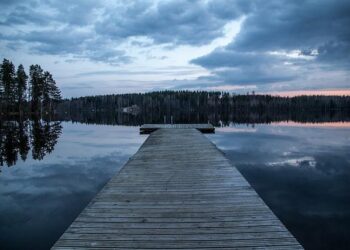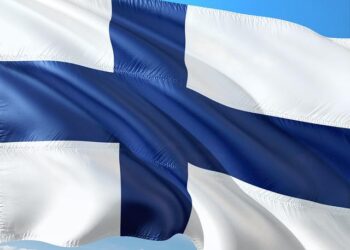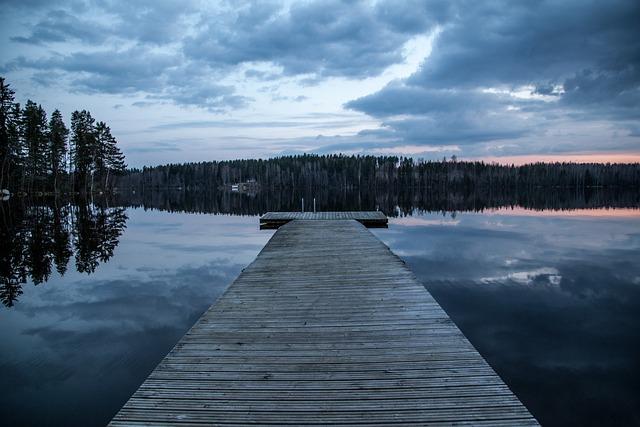
Finland stands out as a key focus in the latest report by the European Environment Agency (EEA), highlighting the Nordic country’s progress and challenges in environmental sustainability. With its vast forests, extensive waterways, and commitment to renewable energy, Finland exemplifies the region’s broader efforts to combat climate change and preserve natural habitats. This article delves into the EEA’s findings on Finland’s environmental policies, achievements, and areas requiring urgent attention as Europe strives toward a greener and more resilient future.
Finland’s Environmental Performance within the European Context
Finland consistently ranks among the top-performing EU countries in terms of environmental sustainability, showcasing a robust commitment to climate action, biodiversity preservation, and pollution reduction. The country excels particularly in renewable energy utilization, with over 40% of its total energy consumption sourced from renewable materials such as bioenergy, hydro, and wind power. Compared with the European average, Finland demonstrates significantly lower greenhouse gas emissions per capita, reflecting the success of its comprehensive national strategies and policies targeting carbon neutrality by 2035.
- Air Quality: Finland maintains some of the cleanest air in Europe, thanks to stringent regulations and vast forest coverage.
- Waste Management: Innovative recycling and circular economy initiatives push the recycling rate above 50%.
- Water Resources: Extensive freshwater protection measures safeguard the high quality of its lakes and rivers.
| Indicator | Finland | EU Average |
|---|---|---|
| Renewable Energy Usage | 42% | 22% |
| GHG Emissions (tons per capita) | 7.9 | 8.9 |
| Recycling Rate | 53% | 47% |
Despite strong overall performance, Finland faces ongoing challenges related to land use changes and the impact of intensive forestry on biodiversity. Finland stands out in the European Union for its strong commitment to environmental sustainability, particularly excelling in renewable energy use, greenhouse gas reduction, waste management, and water resource protection. Key highlights include:
- Renewable Energy Usage: Finland sources 42% of its total energy consumption from renewables such as bioenergy, hydro, and wind, nearly double the EU average of 22%.
- Greenhouse Gas Emissions: At 7.9 tons per capita, Finland’s emissions are lower than the EU average of 8.9 tons, reflecting effective climate policies aimed at achieving carbon neutrality by 2035.
- Recycling Rate: Finland recycles 53% of its waste, surpassing the EU average of 47%, supported by innovative circular economy initiatives.
- Air Quality and Water Resources: The country benefits from some of Europe’s cleanest air and high-quality freshwater bodies due to stringent environmental regulations and extensive forest cover.
However, Finland continues to address challenges, particularly concerning the effects of land use changes and intensive forestry practices on biodiversity. These efforts highlight Finland’s ongoing dedication to balancing economic activities with ecological preservation.
Key Challenges Facing Finland’s Ecosystems and Biodiversity
Finland’s natural landscapes, renowned for their pristine forests and extensive wetlands, face increasing pressure from human activities and climate shifts. Deforestation, driven mainly by logging and land conversion, threatens the habitats of numerous native species. Additionally, pollution from agriculture and industry introduces harmful chemicals into the delicate aquatic ecosystems, undermining water quality and biodiversity. The encroachment of infrastructure development further fragments habitats, making it challenging for wildlife to thrive and maintain genetic diversity.
Another significant concern is the impact of invasive species, which compete with native flora and fauna, altering ecosystem dynamics. The combined effects of these threats are evident in the declining populations of key species, such as the Siberian jay and various freshwater fish. Efforts to combat these challenges require coordinated national strategies and community engagement to preserve Finland’s rich natural heritage.
| Key Challenge | Impact on Ecosystem | Primary Cause |
|---|---|---|
| Habitat Fragmentation | Reduced wildlife corridors | Infrastructure expansion |
| Water Pollution | Decline in freshwater species | Agricultural runoff |
| Invasive Species | Displacement of native species | Global trade & transport |
| Climate Change | Altered species distribution | Greenhouse gas emissions |
Policy Recommendations for Enhancing Finland’s Sustainable Development Goals
To accelerate Finland’s progress towards the 2030 Sustainable Development Goals, policymakers should prioritize a holistic integration of environmental, social, and economic strategies. Strengthening cross-sector collaboration between government agencies, private sector stakeholders, and civil society organizations can foster innovative solutions and ensure coherent policy implementation. Emphasizing the circular economy by incentivizing sustainable production and consumption patterns remains essential, alongside boosting investments in green technologies that support carbon neutrality targets. Additionally, enhancing transparency through robust data monitoring and reporting mechanisms will enable timely adjustments and improve public trust.
Key areas demanding immediate attention include urban sustainability, biodiversity conservation, and climate resilience. Implementation of inclusive policies aimed at reducing regional disparities and supporting vulnerable communities must be emphasized to ensure equitable progress. Below is a concise overview of strategic focus points recommended for accelerated SDG advancement:
- Implement green infrastructure projects in urban centers
- Expand renewable energy adoption across industries
- Strengthen legal frameworks for protecting natural habitats
- Promote sustainable agriculture with climate-smart techniques
- Enhance education and awareness campaigns on sustainability
| Policy Area | Urgency | Expected Impact |
|---|---|---|
| Renewable Energy Expansion | High | Reduce carbon footprint by 30% |
| Biodiversity Protection Laws | Medium | Increase protected areas by 20% |
| Urban Green Infrastructure | High | Improve air quality and resilience |
| Sustainable Agriculture Initiatives | Medium | Enhance soil health and yield stability |
To Wrap It Up
As Finland continues to prioritize environmental sustainability, its collaboration with the European Environment Agency underscores a shared commitment to addressing climate change and preserving natural resources across Europe. With robust data reporting and proactive policy measures, Finland remains a key player in shaping the continent’s environmental future. As emerging challenges demand coordinated action, the insights and initiatives stemming from this partnership will be crucial in guiding both national and regional efforts toward a greener, more resilient Europe.