Carleton College’s latest exhibition, “Greece at a Crossroads: History, Landscape, and Material Culture,” offers a compelling exploration of one of the world’s most historically rich regions. Through a carefully curated collection of artifacts and scholarly insight, the exhibit delves into Greece’s dynamic past and its enduring influence on art, geography, and cultural identity. As Greece stands at the intersection of ancient heritage and modern challenges, this showcase invites visitors to reconsider the narratives that have shaped its landscape and material legacy.
Greece’s Historical Legacy Shapes Modern Identity
Modern Greece stands as a vibrant testament to millennia of cultural evolution, where ancient traditions intertwine seamlessly with contemporary life. From the ruins of the Acropolis to the bustling streets of Athens, the country’s historical tapestry continues to influence its national character and societal values. In both urban and rural environments, the legacy of classical philosophy, democracy, and art informs not only educational frameworks but also civic engagement and community identity.
The impact of this enduring heritage is evident in various facets of daily life:
- Architectural Conservation: Efforts to preserve classical sites promote tourism and foster pride in local history.
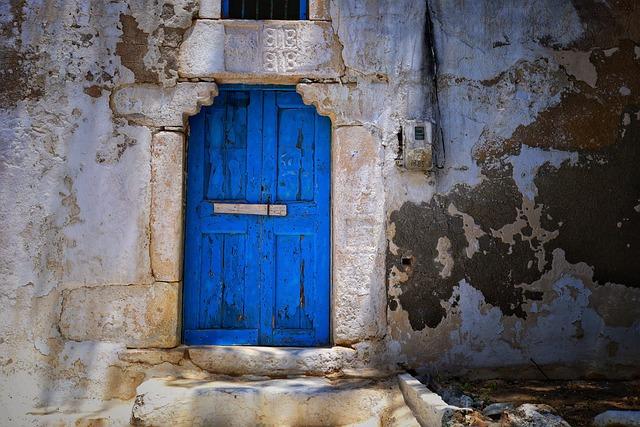
- Material Culture: Traditional crafts like pottery and textile weaving reflect ancient techniques passed down through generations.
- Cultural Festivals: Annual celebrations often reenact mythological stories, sustaining a palpable connection to Greece’s storied past.
| Historical Influence | Modern Manifestation |
|---|---|
| Democracy of Athens | Active civic participation in local governance |
| Ancient Theatre | Contemporary performance arts and open-air festivals |
| Philosophical Inquiry | Strong emphasis on education and public discourse |
Exploring the Diverse Landscapes That Define Greece
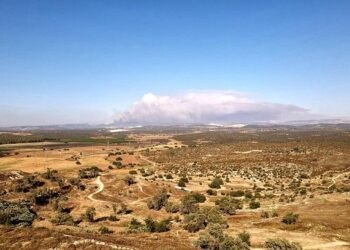
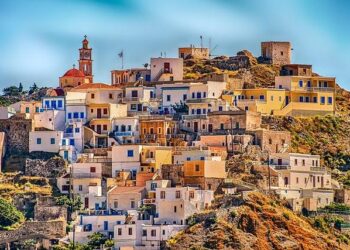
Greece’s terrain is a vibrant mosaic, where soaring mountains plunge into azure seas, and fertile plains sit adjacent to rugged cliffs. From the towering peaks of the Pindus range to the sun-soaked islands scattered across the Aegean and Ionian seas, the country’s physical geography has shaped not only its climate but also the cultural identities of its inhabitants. These varied landscapes have fostered distinct regional traditions, agricultural practices, and architectural styles, making Greece a living museum of natural and human history intertwined.
Key Features of Greece’s Diverse Landscapes:
- Mountainous regions: Host ancient monasteries and traditional villages preserved through centuries of change.
- Coastal areas: Serve as gateways for trade and cultural exchange across the Mediterranean.
- Island clusters: Reflect diverse ecosystems and unique archaeological sites.
- Inland plains: Support agricultural productivity central to Greece’s economy and heritage.
| Landscape Type | Characteristic | Influence on Culture |
|---|---|---|
| Mountains | Rugged, isolated | Development of unique dialects and crafts |
| Islands | Volcanic, maritime | Maritime trade and naval history |
| Coastlines | Sandy beaches, cliffs | Tourism and fishing economies |
| Plains | Fertile, arable | Traditional farming practices |
Preserving Material Culture Amid Rapid Change: Expert Recommendations
As Greece navigates an era defined by rapid urban development and globalization, preserving its rich material heritage has never been more urgent. Experts emphasize the critical role of integrating traditional craftsmanship with modern conservation technologies to safeguard artifacts, architecture, and landscapes from irreversible loss. This entails a collaborative approach among historians, archaeologists, architects, and local communities to ensure that restoration efforts honor authenticity while accommodating the demands of contemporary life.
Key initiatives recommended by specialists focus on:
- Implementing community-driven documentation projects to map endangered cultural sites
- Promoting educational programs that emphasize the value of material culture in identity preservation
- Deploying advanced 3D scanning and digital archiving to create accessible, permanent records
- Establishing policy frameworks that balance heritage protection with sustainable development goals
| Recommendation | Intended Impact | Stakeholders |
|---|---|---|
| Local Community Workshops | Empower Cultural Stewards | Residents, NGOs |
| Digital Archiving | Preserve Artifacts Virtually | Researchers, Museums |
| Policy Integration | Protect Heritage in Urban Planning | Government, Urban Planners |
Closing Remarks
As Greece stands at a pivotal juncture, the interplay of its rich historical legacy, stunning landscapes, and vibrant material culture continues to shape its evolving identity. The insights from Carleton College’s exploration underscore the challenges and opportunities that define the nation’s path forward. How Greece navigates this crossroads will not only impact its own future but also resonate across the broader tapestry of Mediterranean heritage and global cultural discourse.