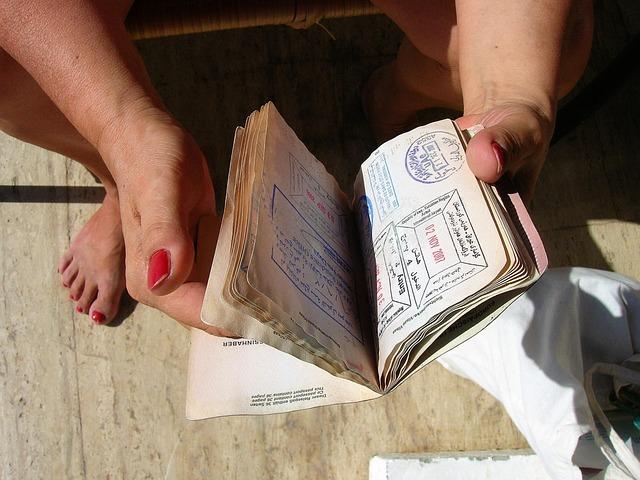
The European Union is calling on member states to ensure that all transgender citizens have access to proper identification documents that accurately reflect their gender identity. This move aims to uphold the fundamental rights and dignity of transgender individuals across the bloc, addressing inconsistencies and bureaucratic hurdles that many currently face. As debates around transgender rights intensify, EU institutions emphasize the necessity for standardized, respectful procedures in issuing official IDs, signaling a significant step toward greater inclusivity and equality within the region.
EU States Face Legal Pressure to Standardize ID Policies for Transgender Citizens
Amid increasing calls from human rights organizations, European Union governments are confronting mounting legal challenges aimed at harmonizing identification document policies for transgender individuals. Currently, disparities across member states leave many transgender citizens without access to ID that accurately reflects their gender identity, creating obstacles in employment, healthcare, and everyday life. Advocates emphasize that a unified EU framework would reduce bureaucratic barriers and affirm the dignity of transgender people across the bloc.
Key demands from activists and legal experts include:
- Removal of mandatory medical procedures as prerequisites for gender marker changes
- Introduction of streamlined administrative processes for name and gender updates on official documents
- Implementation of clear, non-discriminatory guidelines across all member states
| Country | Current Policy | Pending Legal Action |
|---|---|---|
| Germany | Requires medical diagnosis | Yes |
| France | Allows self-identification | No |
| Poland | Restrictive criteria apply | Yes |
| Netherlands | Streamlined administrative process | No |
Challenges in Documentation Impact Access to Healthcare and Social Services
Without proper identification documents that reflect their gender identity, transgender individuals frequently encounter significant barriers when trying to access essential healthcare and social services. Medical professionals and administrative bodies often require valid ID to provide treatment, which means mismatched or outdated documentation can lead to misgendering, denial of services, or delays in care. Such obstacles not only affect routine medical appointments but also critical interventions, including hormone therapies and mental health support.
These challenges extend beyond healthcare into various social support systems. Lack of accurate identification undermines access to:
- Social welfare benefits – including unemployment aid, housing support, and disability services.
- Employment opportunities – where legal documents are necessary for contracts and compliance checks.
- Education and training programs – enrollment and certification often require documentation proof.
The resulting exclusion exacerbates social marginalization and economic vulnerability, creating a cycle that perpetuates inequality. Addressing this requires EU states to implement streamlined, respectful legal processes for updating personal documents in line with international human rights standards.
| Impact Area | Consequence of Mismatched ID |
|---|---|
| Healthcare Access | Delayed or denied treatment |
| Social Services | Benefit claim rejections |
| Employment | Job application barriers |
| Legal Recognition | Increased discrimination risk |
Calls for Inclusive Guidelines Urge Governments to Respect Gender Identity Rights
Across the European Union, activists and human rights groups are intensifying demands for governments to implement uniform policies that recognize and respect the gender identities of transgender citizens in official documentation. Current disparities in ID issuance often lead to discrimination, social exclusion, and bureaucratic hurdles, affecting access to essential services such as healthcare, employment, and travel. Advocates emphasize that governments must ensure birth certificates, passports, and identity cards reflect an individual’s self-identified gender without invasive medical or legal prerequisites.
Key points highlighted by campaigners include:
- Introduction of streamlined procedures for gender marker changes on IDs
- Legal recognition of non-binary and third-gender classifications
- Elimination of forced medical interventions as a precondition for documentation update
- Guarantees for privacy protection during the ID change process
To visualize the current ID policy landscape, the following table offers a simplified overview of how select EU nations are addressing gender marker changes:
| Country | Medical Requirements | Legal Process | Non-binary Recognition | ||||||||||||||||||
|---|---|---|---|---|---|---|---|---|---|---|---|---|---|---|---|---|---|---|---|---|---|
| Germany | No mandatory surgery | Court application required | Limited | ||||||||||||||||||
| France | Psychological evaluation |
| Country | Medical Requirements | Legal Process | Non-binary Recognition |
|---|---|---|---|
| Germany | No mandatory surgery | Court application required | Limited |
| France | Psychological evaluation | Judicial authorisation required | No |
| Netherlands | No medical requirements | Self-declaration possible | Yes |
| Belgium | No surgery required | Administrative procedure | The Conclusion As the European Union continues to uphold fundamental human rights, the call for member states to issue appropriate identification documents to transgender individuals marks a crucial step toward inclusivity and equality. Ensuring that all citizens have access to proper ID not only affirms their identity but also removes barriers to essential services and legal recognition. The coming months will be critical in observing how EU states respond to this mandate, setting a precedent for human rights protections across the continent. ADVERTISEMENT  Related Posts |