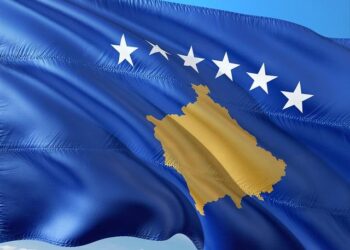
Kosovo, a territory at the heart of the Balkans, remains a focal point of historical and geopolitical complexity involving its Yugoslav past, its relationship with Serbia, and its predominantly Albanian population. Once an autonomous province within the former Socialist Federal Republic of Yugoslavia, Kosovo’s status has been a source of intense dispute following the breakup of Yugoslavia in the 1990s. The region’s push for independence, declared unilaterally in 2008, has been recognized by many countries but continues to face opposition from Serbia, which regards Kosovo as an integral part of its sovereign territory. This article delves into the intricate history and ongoing tensions surrounding Kosovo, drawing on insights and analysis from Britannica to provide a comprehensive overview of a region where identity, politics, and history converge.
Historical Roots of Kosovo Within Yugoslavia and Serbia
The territory now known as Kosovo has long been intricately tied to the historical fabric of both Yugoslavia and Serbia. Following the downfall of the Ottoman Empire in the early 20th century, Kosovo was formally integrated into the Kingdom of Serbia, later becoming a significant province within the Socialist Federal Republic of Yugoslavia after World War II. This positioning created a complex dynamic, as Kosovo was predominantly inhabited by ethnic Albanians but administratively managed by Serbian and Yugoslav authorities. Throughout the Yugoslav era, the region’s governance fluctuated, marked notably by the 1974 constitution that granted Kosovo extensive autonomous status-a move that momentarily eased ethnic tensions but sowed seeds of future discord.
Key historical factors framing Kosovo’s relationship with Serbia and Yugoslavia include:
- Demographic shifts: A majority Albanian population alongside a minority Serb community, each fostering distinct national identities and claims.
- Political autonomy: The evolving levels of self-governance, particularly the enhanced autonomy of the 1970s within Yugoslavia’s federal structure.
- Economic disparities: The differential development within Kosovo compared to other Yugoslav republics, influencing social and political unrest.
- Cultural heritage: Kosovo’s symbolic status for the Serbian Orthodox Church and Serbian national history contrasted with Albanian cultural nationalism.
| Time Period | Political Status | Demographic Notes |
|---|---|---|
| 1912-1945 | Part of Kingdom of Serbia / Yugoslavia | Majority Albanian, Serbian minority |
| 1945-1974 | Autonomous region within Yugoslavia | Increased Albanian migration |
| 1974-1989 | Enhanced autonomy under Yugoslavia | Autonomy peak, mixed political influence |
| 1989-1999 | Revocation of autonomy by Serbia | Heightened It looks like your content was cut off at the end. Here’s a continuation and completion of the table row for the period 1989-1999 and an optional completion of the section, maintaining the style and tone of the original text: |
| 1989-1999 | Revocation of autonomy by Serbia | Heightened ethnic tensions and unrest |
| 1999-present | UN administration and declaration of independence (2008) | Predominantly Albanian population with ongoing Serbian minority presence |
The revocation of Kosovo’s autonomy in 1989 by the Serbian government under Slobodan Milošević significantly escalated ethnic tensions, culminating in armed conflict by the late 1990s. Following NATO intervention in 1999, Kosovo was placed under United Nations administration, which paved the way for its unilateral declaration of independence in 2008-a status recognized by many, but not all, international actors. These historical layers continue to shape Kosovo’s complex political landscape and its ongoing dialogue with Serbia.
If you’d like, I can help further expand on any part of this section or assist with other related content!
Ethnic and Political Dynamics Between Serbs and Albanians in Kosovo
The complex interplay between Serbs and Albanians in Kosovo has roots deeply entwined with historical grievances, social divisions, and political aspirations. Throughout the 20th century, Kosovo’s demographic shifts intensified tensions, as the Albanian majority sought greater autonomy or independence, while many Serbs viewed the region as an integral part of their historical and cultural heritage. These conflicting perspectives fueled a cycle of mistrust and confrontation, exacerbated by the dissolution of Yugoslavia and Kosovo’s unilateral declaration of independence in 2008.
Key factors shaping the ongoing dynamics include:
- Ethnic Composition: Kosovo remains predominantly Albanian, with a significant Serb minority concentrated in northern municipalities.
- Political Representation: The contested status of Kosovo challenges international recognition and impacts governance structures within the region.
- Security Concerns: Tensions often manifest in sporadic violence and the presence of international peacekeeping forces intended to maintain stability.
| Group | Population % | Primary Language | Political Goal |
|---|---|---|---|
| Albanians | 90% | Albanian | Full Independence |
| Serbs | 7% | Serbian | Autonomy within Serbia or Special Status |
Pathways to Stability and Reconciliation in the Balkans
The intricate tapestry of the Balkans has long been marked by a history of ethnic tensions, shifting borders, and contested sovereignties, with Kosovo standing at the crux of the region’s complexities. Achieving lasting peace necessitates a multifaceted approach that incorporates diplomatic dialogue, economic cooperation, and cultural reconciliation. Central to this is the role of international mediation, which fosters constructive conversations between Serbian and Albanian communities while encouraging recognition of mutual rights and identities. Additionally, empowering local governance and grassroots organizations play a pivotal role in bridging ethnic divides, thereby creating resilient frameworks for coexistence and mutual respect.
Practical steps towards stability include:
- Enhanced cross-border infrastructure projects to stimulate trade and interdependence.
- Educational reforms promoting inclusive curricula that reflect the region’s diverse heritage.
- Legal frameworks ensuring protection of minority rights and impartial justice systems.
- Joint cultural initiatives that celebrate shared history and foster empathy.
| Key Stakeholders | Primary Goals | Challenges |
|---|---|---|
| Serbian Government | Preserve territorial integrity and minority rights | Nationalist sentiments and political fragmentation |
| Kosovo Albanian Leadership | International recognition and economic development | Diplomatic isolation and internal governance issues |
| International Community | Facilitate peace agreements and humanitarian support | Balancing interests and ensuring enforcement |
The Way Forward
In tracing the complex history of Kosovo-from its role within Yugoslavia to its contested status involving Serbia and the ethnic Albanian majority-this article has highlighted the region’s enduring significance in Southeast European geopolitics. As Kosovo continues to navigate its path toward international recognition and stability, understanding its multifaceted legacy remains essential for grasping the broader challenges facing the Balkans today. For further detailed insights, Britannica offers comprehensive coverage that delves deeper into the historical, cultural, and political layers shaping Kosovo’s ongoing story.