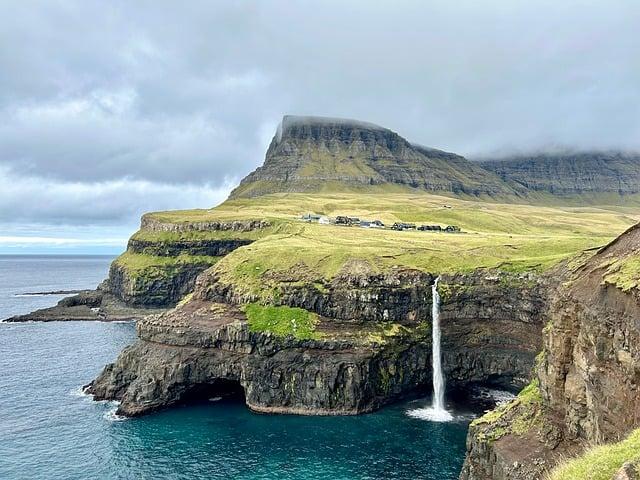
Members of the European Parliament (MEPs) have called on the European Commission to take concrete measures regarding the controversial whale slaughter in the Faroe Islands. Amid growing public outcry and environmental concerns, lawmakers urge Brussels to address the ongoing practice, which they argue undermines conservation efforts and violates broader European values on animal welfare. The push highlights increasing tensions between regional traditions and international environmental commitments, placing the EU at a crossroads over how to respond to this longstanding maritime practice.
MEPs Call for Stronger EU Intervention Against Faroe Islands Whale Hunt
Members of the European Parliament are intensifying pressure on the European Commission to take concrete action against the controversial whale hunting practices in the Faroe Islands. The calls come amid growing concern over the annual grindadráp, where hundreds of pilot whales are driven ashore and slaughtered in a traditional hunt that critics argue violates EU conservation standards. MEPs argue that the current laissez-faire approach undermines the bloc’s commitment to biodiversity and animal welfare protection.
Key demands put forward by parliamentarians include:
- Immediate investigation into the legality of the whale hunt under EU environmental laws
- Implementation of stricter regulations to monitor and potentially ban the practice
- Launching a public awareness campaign across member states highlighting conservation issues
- Collaboration with international bodies to reinforce marine species protection
| Year | Pilot Whales Killed | EU Response |
|---|---|---|
| 2021 | 1,400 | Warning Issued |
| 2022 | 1,200 | Investigation Launched |
| 2023 | 1,000 | Call for Legislative Measures |
Concerns Raised Over Animal Welfare and Environmental Impact in North Atlantic
The ongoing whale hunts in the North Atlantic continue to spark intense debate among policymakers and environmentalists. Critics argue that the traditional Faroese practice, known locally as the grindadráp, raises serious concerns about animal welfare, highlighting the need for more humane treatment of marine mammals. Studies have pointed to the stress and suffering caused to the animals during the drive hunts, with calls from various NGOs for stricter oversight and the implementation of alternative, less harmful methods.
Environmental advocates also emphasize the broader ecological consequences. The hunts impact not only whale populations but also the delicate balance of marine ecosystems in the region. Several experts have warned that continued pressure on whale numbers may disrupt predator-prey dynamics, affecting biodiversity and long-term sustainability. Below is an overview comparing the estimated annual catches over the past five years alongside population estimates, underscoring the urgency for regulatory review:
| Year | Whales Slaughtered | Population Estimate | Impact Risk |
|---|---|---|---|
| 2019 | 1,100 | 12,000 | Moderate |
| 2020 | 950 | 11,800 | Moderate |
| 2021 | 1,200 | 11,500 | High |
| 2022 | 1,300 | 11,300 | High |
| 2023 | 1,250 | 11,000 | Critical |
Key pressing issues include:
- Methodology used in whale drives leading to prolonged suffering
- Insufficient legal protections It looks like your list of key pressing issues got cut off. Here’s a continuation and completion of the list based on the context of your content:
- Methodology used in whale drives leading to prolonged suffering
- Insufficient legal protections for marine mammals
- Lack of effective enforcement and monitoring mechanisms
- Negative impacts on marine biodiversity and ecosystem balance
- Increasingly unsustainable catch rates relative to population decline
- Need for international cooperation on regulatory frameworks
Would you like me to help you draft recommendations or additional analysis based on this data?
Recommendations Urge Brussels to Enforce Stricter Regulations and Diplomatic Pressure
Members of the European Parliament have called on the European Commission to implement more stringent policies aimed at curbing the ongoing whaling practices in the Faroe Islands. They argue that current regulations are insufficient to protect marine biodiversity and uphold the EU’s commitments to animal welfare. Key demands include:
- Enhanced monitoring of whale hunts and stricter enforcement of fishing quotas
- Increased funding for marine conservation initiatives in the North Atlantic region
- Diplomatic efforts encouraging the Faroe Islands to adopt internationally recognized whale protection standards
A proposed framework outlines a combination of legal and diplomatic actions designed to exert maximum pressure on the Faroese government. These are envisioned to work in tandem, promoting compliance through both sanctions and dialogue. The measure also stresses the importance of transparency in reporting whale catch data, aiming to hold accountable those involved in the controversial hunts.
Action Expected Impact Timeline Stricter fishing quotas Reduce whale kills by 40% By 2025 Diplomatic negotiations Improved cooperation from Faroe Islands authorities Ongoing Mandatory data transparency Enhanced public trust and oversight Immediate implementation To Wrap It Up
As the debate over the Faroe Islands’ whale slaughter intensifies, MEPs continue to call on Brussels for decisive action, underscoring broader concerns about animal welfare, environmental responsibility, and cultural practices within the EU’s external relations. How the European Commission responds could set a significant precedent in balancing regional traditions with international ecological and ethical standards. The coming weeks will be critical in determining whether the EU steps up its regulatory role or allows the contentious practice to persist largely unchecked.