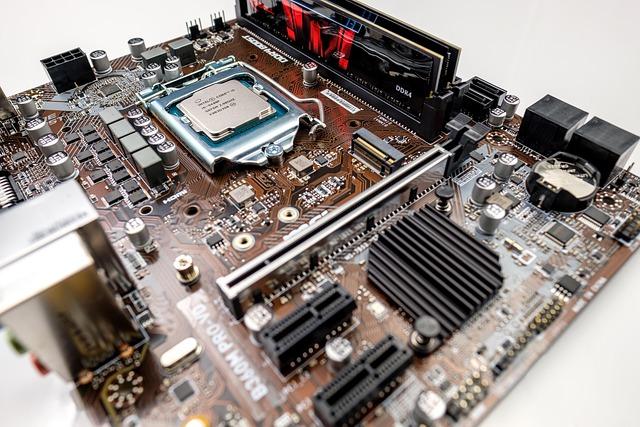
Intel Corporation has announced its plans to repurchase a 49% equity stake in its joint venture semiconductor fabrication facility in Ireland. The move marks a significant shift in the company’s international manufacturing strategy, as it aims to consolidate greater control over its European operations amid a competitive and rapidly evolving global chip market. This strategic buyback underscores Intel’s commitment to expanding its production capabilities while strengthening its foothold in the region. Further details about the transaction and its implications for both Intel and the broader semiconductor industry are anticipated.
Intel Moves to Regain Full Control of Ireland Fab Joint Venture
In a strategic move to solidify its manufacturing footprint, Intel announced plans to repurchase the remaining 49% equity stake in its joint venture fab facility located in Ireland. This decisive step marks Intel’s intention to regain full operational control, enabling streamlined decision-making and accelerating future investments in advanced semiconductor technologies. The repurchase aligns with Intel’s broader strategy to enhance supply chain resilience amid global chip shortages and intensifying competition in the semiconductor sector.
Key implications of Intel’s acquisition include:
- Consolidated Ownership: Complete ownership allows Intel to fully integrate the fab’s production capacity with its global manufacturing network.
- Increased Investment Potential: Enables expansive capital expenditure dedicated to process node advancements without joint venture restrictions.
- Enhanced Innovation: Provides Intel with greater agility to deploy proprietary technologies and optimize fab efficiency.
- Workforce Impact: Potential growth opportunities and technology skill development for the local labor force.
| Facility | Current Stake | Post-Repurchase Stake | Primary Focus |
|---|---|---|---|
| Leixlip Fab, Ireland | 51% | 100% | 10nm & 7nm Chip Production |
Strategic Implications for Intel’s Manufacturing Expansion in Europe
Intel’s decision to regain full control over its Irish semiconductor fabrication plant marks a pivotal shift in its European strategy. This move underscores the company’s commitment to strengthening its supply chain autonomy amid growing geopolitical tensions and increasing competition within the global semiconductor industry. By consolidating operations under a singular corporate umbrella, Intel aims to accelerate innovation cycles and optimize resource allocation, positioning itself as a dominant player in Europe’s tech manufacturing landscape.
Key strategic benefits anticipated from this acquisition include:
- Enhanced operational agility: Streamlined decision-making processes and tighter integration of R&D efforts.
- Risk mitigation: Reduced dependency on joint venture partners amidst volatile international markets.
- Increased scalability: Ability to rapidly expand production capacity in response to surging demand.
| Strategic Focus | Impact |
|---|---|
| Supply Chain Control | High |
| R&D Integration | Medium-High |
| Market Responsiveness | High |
| Regulatory Alignment | Medium |
Analysts Recommend Monitoring Impact on Intel’s Supply Chain and Market Position
Industry experts underscore the importance of closely observing how Intel’s repurchase of the 49% equity stake in its Irish fabrication facility might reshape its supply chain dynamics. Given the global semiconductor crunch and ongoing geopolitical tensions, Intel’s enhanced control over the joint venture is expected to influence not only production capacity but also logistics strategies. Analysts suggest this move could lead to improved agility in component sourcing and manufacturing timelines, potentially mitigating some risks associated with external dependencies.
Market watchers are also focusing on the potential repercussions for Intel’s competitive edge in an increasingly aggressive market. The buyback might position Intel to streamline operations and accelerate developments in advanced chip technologies, but uncertainties remain regarding cost implications and integration challenges. Below is a snapshot of key factors analysts are monitoring:
- Supply chain resilience: Impact on component availability and lead times
- Operational efficiency: Potential changes in production throughput and quality control
- Market responsiveness: Ability to swiftly adapt to evolving customer demands
- Financial health: Short- and long-term effects on capital expenditure and profitability
| Aspect | Potential Impact |
|---|---|
| Supply Chain | Increased control, reduced external risk |
| Manufacturing | Streamlined processes, scale advantages |
| Market Position | Enhanced innovation lead, competitive agility |
| Financials | Higher CAPEX upfront, long-term ROI potential |
In Conclusion
Intel’s decision to repurchase a 49% equity stake in its Ireland semiconductor fab joint venture marks a strategic move to strengthen its control over critical manufacturing assets amid a rapidly evolving global chip market. As the company reasserts its presence in Europe, this transaction underscores Intel’s commitment to expanding its production capabilities and securing supply chain resilience. Market watchers will be closely monitoring the impacts of this buyback on Intel’s operational footprint and its broader long-term growth strategy. Further details and developments are expected as the deal progresses.