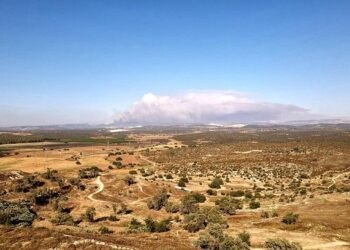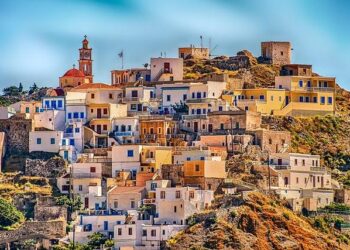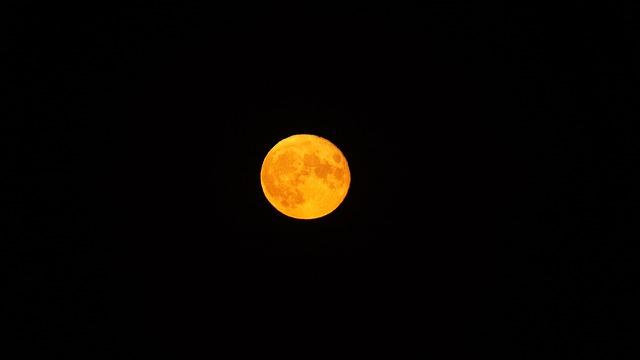
Crete’s skies took on an unsettling orange hue following the arrival of a massive dust storm originating from the Sahara Desert, dramatically altering the island’s usual landscape. Captured in striking video footage, the phenomenon highlights the far-reaching impacts of Saharan dust plumes as they traverse thousands of kilometers, blanketing regions across the Mediterranean. This unusual atmospheric event has not only transformed the visual environment but also raised concerns about air quality and potential health effects for local residents.
Crete Skies Turn Eerie Orange as Sahara Dust Storm Sweeps Across Region
Residents and visitors across Crete were left mesmerized and unsettled as the afternoon sky transformed into a surreal shade of orange, casting an otherworldly glow over the island. This dramatic shift was caused by a dense cloud of fine Saharan dust particles drifting thousands of kilometers from the African desert. The dust storm, propelled by shifting wind patterns, enveloped the region, reducing visibility and bathing landscapes, buildings, and even the sea in a muted, amber hue.
Key impacts of the dust storm included:
- Reduced air quality, prompting health advisories for sensitive groups
- Visibility dropping markedly on roads and coastal areas
- Unusual visual phenomena, with sunsets appearing deeper and more vivid
- Temporary disruptions to air and ferry services due to safety concerns
| Parameter | Value | Notes |
|---|---|---|
| Dust concentration | 120 µg/m³ | Above normal levels |
| Visibility | 2-3 km | Significant reduction |
| Wind speed | 25 km/h | Facilitated dust movement |
| Duration | Approx. 12 hours | From early morning to evening |
Experts Warn of Health Risks Linked to Airborne Particles and Advise Precautionary Measures
Following the recent dust storm that engulfed Crete in a haunting orange haze, medical experts have raised alarms about the potential health implications caused by the fine particulate matter suspended in the air. These microscopic particles, often less than 2.5 micrometers in diameter, can penetrate deep into the lungs and even enter the bloodstream, posing serious risks particularly for vulnerable groups such as children, the elderly, and individuals with pre-existing respiratory or cardiovascular conditions. Symptoms linked to exposure include coughing, throat irritation, worsening asthma, and increased risk of heart attacks.
To mitigate these risks, health authorities recommend several precautionary measures:
- Limit outdoor activities, especially during peak dust periods.
- Use air purifiers indoors to reduce indoor pollutant levels.
- Wear masks designed to filter fine particles when outside.
- Stay hydrated to help the respiratory system cope with irritation.
| Group | Recommended Action | Risk Level |
|---|---|---|
| Children | Stay indoors, use masks when outside | High |
| Elderly | Avoid strenuous activity, monitor breathing | High |
| Adults | Limit prolonged outdoor exposure | Moderate |
| People with asthma | Follow medication plans, avoid triggers | Critical |
Local Authorities Urge Residents to Stay Indoors and Protect Vulnerable Groups Amid Unusual Weather Event
Authorities across Crete have issued urgent advisories following an unusual Mediterranean weather phenomenon that has darkened the skies with an eerie orange hue caused by a dense cloud of Sahara dust. Residents are strongly encouraged to remain indoors until further notice as air quality plummets to hazardous levels, posing heightened risks to respiratory health. Emergency services are prioritising checks for vulnerable populations, including the elderly, young children, and individuals with pre-existing health conditions, urging communities to extend support and ensure their well-being during this event.
Key safety recommendations include:
- Avoid outdoor physical activity to reduce exposure to dust particles.
- Keep windows and doors tightly shut, using air purifiers if available.
- Seek medical advice immediately if experiencing breathing difficulties or unusual symptoms.
- Assist neighbors or family members who may require additional help.
| Timeframe | Air Quality Index | Recommended Action |
|---|---|---|
| Next 24 hours | Very Unhealthy (201-300) | Stay indoors, use masks if outside |
| 24-48 hours | Unhealthy (151-200) | Limit outdoor activities |
| Post 48 hours | Moderate (51-100) | Monitor updates, normal precautions |
In Conclusion
As Crete returns to normalcy, the striking orange hue cast by the Sahara dust storm serves as a vivid reminder of the far-reaching effects of natural atmospheric phenomena. Scientists continue to monitor such events closely, noting their potential impact on air quality and climate patterns across the Mediterranean region. Residents and visitors alike are advised to stay informed through local updates as conditions evolve.