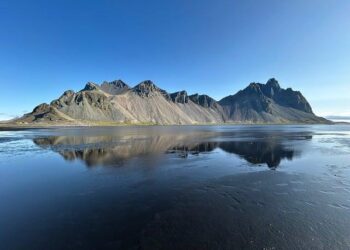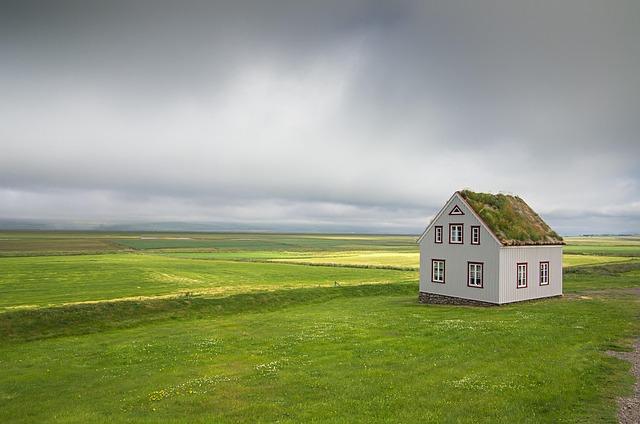
Iceland is known for its stunning landscapes, volcanic activity, and vibrant culture-but did you know it also boasts nearly one sheep for every person living on the island? With a human population of around 370,000 and an estimated sheep flock approaching 400,000, this Nordic nation’s unique agricultural profile offers intriguing insights into its rural economy and traditions. In this article, we explore how sheep farming has shaped Iceland’s identity, its role in the local economy, and what this remarkable ratio means for sojourners and residents alike.
Iceland’s Unique Sheep Population Reflects its Agricultural Heritage
Iceland’s sheep population, remarkably close to a one-to-one ratio with its human residents, stands as a living testament to the island’s deep-rooted agricultural traditions. This distinctive livestock dynamic is more than a mere statistic; it reflects centuries of adaptation and resilience in one of the world’s most rugged climates. Icelandic sheep, renowned for their hardiness and unique dual-coated wool, have been integral to the country’s survival through harsh winters, providing meat, wool, and even sustained cultural practices that continue to influence local life today.
The significance of these hardy animals extends beyond farming, shaping Iceland’s landscape and rural economy. Unlike commercial breeds elsewhere, Icelandic sheep roam freely in summer months, feeding on natural vegetation, which contributes to both their distinctive flavor and robust health. Key characteristics include:
- Dual-coated wool: ideal for insulation and used in traditional textiles
- Pure breeding: protected genetics with minimal crossbreeding since the 9th century
- Environmental impact: sheep grazing naturally helps maintain Icelandic pastures
| Aspect | Details |
|---|---|
| Population | ~450,000 sheep |
| Human population | ~370,000 people |
| Annual wool production | 1,200 tons |
| Sheep farming regions | Highlands, North Iceland, Westfjords |
How Sheep Farming Shapes Icelandic Culture and Economy
Sheep farming is more than just an agricultural practice in Iceland; it is a cornerstone of the nation’s identity and economic fabric. With a population of around 370,000 people and nearly 450,000 sheep roaming its rugged landscapes, Iceland showcases a powerful symbiosis between humans and livestock. Farming traditions here trace back to the Viking Age, where sheep were prized not only for their meat but also for their wool, sustaining populations through long, harsh winters. This deeply rooted heritage continues today, influencing local festivals, cuisine, and artisanal crafts.
Economically, sheep farming supports rural communities and contributes significantly to Iceland’s export market. The industry boosts employment across multiple sectors including breeding, processing, and marketing, preserving jobs in remote areas. Key products derived from sheep are:
- Lamb meat – a premium export prized for its distinct flavor.
- Wool – used in traditional Icelandic knitwear, a cultural emblem worldwide.
- Skyr – a dairy product often enriched with sheep’s milk, blending farming with culinary art.
| Aspect | Impact |
|---|---|
| Rural Employment | Supports over 5,000 jobs |
| Export Value | Approximately $50 million annually |
| Cultural Festivals | Over 12 local sheep-related events yearly |
Sustainable Practices and Tourism Opportunities in Iceland’s Sheep Industry
Iceland’s sheep industry is not only a cornerstone of its rural economy but also a model of environmental stewardship. Farmers employ rotational grazing methods that prevent overgrazing, protecting fragile ecosystems and preserving native vegetation. These sustainable practices contribute to soil health and biodiversity, ensuring that sheep farming remains viable long-term without degrading the landscape. Moreover, wool and meat products are often certified organic, aligning with global trends demanding transparency and eco-conscious production.
Tourism operators are leveraging these sustainable practices to create authentic farm experiences for travelers. Visitors can join guided farm tours, participate in sheep herding during seasonal rounds, or even try their hand at traditional wool processing techniques. These immersive activities enrich Iceland’s tourism portfolio, turning sheep farms into hubs of cultural education and environmental awareness. Below is a quick overview of tourism options emerging within this sustainable framework:
| Tourism Experience | Location | Duration |
|---|---|---|
| Sheep roundup participation | Westfjords | Full day |
| Wool crafting workshops | Skagafjörður | 2-3 hours |
| Farmstay with local shepherds | East Iceland | 2-5 days |
| Guided grazing land walks | North Iceland | Half day |
In Conclusion
As Iceland continues to captivate with its stunning landscapes and rich cultural heritage, the surprising statistic of nearly one sheep per person highlights the enduring significance of agriculture in the nation’s identity. This unique demographic detail not only reflects Iceland’s rural traditions but also underscores the close relationship between its people and the natural environment. For travelers and observers alike, understanding such facets adds depth to the sojourn through this island nation, where nature and culture coexist in an extraordinary balance.