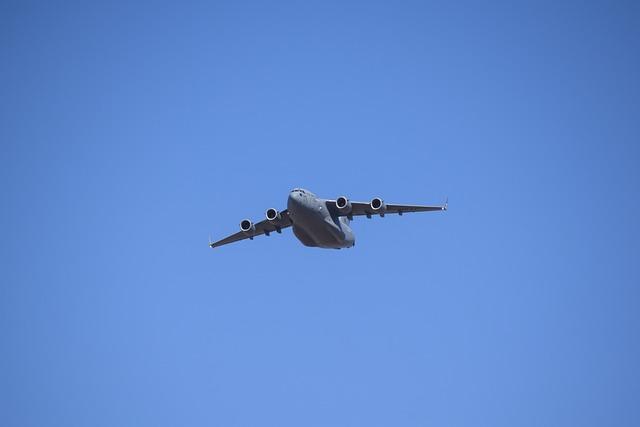
The United States has sharply criticized the Czech Republic for its persistently low defense spending, underscoring growing concerns within NATO about burden-sharing among alliance members. In a recent statement, U.S. officials expressed disappointment over Prague’s failure to meet the agreed-upon defense expenditure targets, highlighting the implications for regional security amid escalating geopolitical tensions in Eastern Europe. This development adds pressure on the Czech government to increase its military budget as allies push for greater commitment to collective defense.
US Criticizes Czech Republic for Falling Short on NATO Defense Spending Commitments
The United States has publicly expressed disappointment over the Czech Republic’s failure to meet its NATO defense spending obligations. Despite repeated calls from allied nations, Prague’s defense budget remains significantly below the 2% of GDP target agreed upon by NATO members. U.S. defense officials warn that insufficient investment puts the collective security of the alliance at risk, potentially undermining deterrence efforts amid heightened geopolitical tensions in Eastern Europe.
Key points highlighted by the U.S. include:
- Current Czech defense spending hovers near 1.2% of GDP, well below NATO benchmarks.
- Delayed modernization of the military reduces readiness for rapid response scenarios.
- Pressure from the U.S. aims to catalyze accelerated defense reforms and increased funding.
| Country | Defense Spending (% of GDP) | NATO Target (%) |
|---|---|---|
| Czech Republic | 1.2% | 2.0% |
| United States | 3.5% | 2.0% |
| Germany | 1.6% | 2.0% |
Analysis of the Strategic Implications for Transatlantic Security and Regional Stability
The criticism from the United States towards the Czech Republic’s defense budget underscores deeper challenges within NATO’s framework, particularly concerning burden-sharing and collective readiness. Persistent underinvestment by member states like the Czech Republic risks undermining the alliance’s ability to deter emerging threats in Eastern Europe. This criticism also reflects Washington’s growing impatience with perceived free-riding, which could lead to reassessments of the US commitment to European security guarantees. Moreover, inadequate defense spending hampers the Czech Republic’s capacity to modernize its forces, thereby limiting its role in joint operations and regional defense initiatives crucial for the alliance’s credibility.
Regional stability in Central and Eastern Europe hinges on robust transatlantic cooperation and equitable resource contribution. Key implications include:
- Strain on Strategic Trust: Divergences over defense commitments may foster political discord, complicating consensus on response strategies.
- Vulnerability to External Aggression: Insufficient military investment could embolden adversarial actors, eroding deterrence.
- Fragmentation of Regional Security Architectures: Persistent disparities in capabilities may hinder effective coordination within frameworks like the Visegrád Group.
| Country | Defense Spending (% of GDP) | NATO Target Met? |
|---|---|---|
| Czech Republic | 1.2% | No |
| Poland | 2.2% | Yes |
| Germany | 1.5% | No |
With growing geopolitical volatility, bridging the gap between rhetoric and reality in defense spending is vital to preserving the transatlantic alliance’s integrity and ensuring sustained regional peace. The US pressure aims to catalyze a shift towards greater fiscal responsibility among allies to maintain credible deterrence and a unified front in the face of escalating security threats.
Experts Urge Prague to Accelerate Military Investments to Strengthen Alliance Solidarity
Washington has openly criticized Prague for its current defense budget, highlighting concerns over the Czech Republic’s sluggish progress in meeting NATO’s recommended military spending targets. Analysts warn that the slow pace of investment risks undermining the country’s role in collective defense and weakens the solidarity within the alliance. Immediate action is urged to bolster not only the Czech military’s operational capabilities but also to send a clear message of commitment to international partners.
Experts emphasize several priority areas for increased funding, including:
- Modernization of equipment to replace outdated hardware with advanced technology.
- Expansion of troop readiness through enhanced training and recruitment efforts.
- Investment in cyber defense to counter emerging digital threats.
| Category | Current Budget | Recommended Increase | Impact |
|---|---|---|---|
| Procurement | €200M | €350M | Enhanced combat readiness |
| Training & Personnel | €150M | €220M | Improved troop efficiency |
| Cybersecurity | €50M | €100M | Stronger defense against cyber attacks |
Closing Remarks
As tensions rise over defense commitments within NATO, the recent criticism from the United States highlights ongoing challenges in burden-sharing among alliance members. The Czech Republic now faces increased pressure to address its defense spending in line with collective expectations, underscoring broader debates about security priorities in Europe. How Prague responds in the coming months will be closely watched by both its allies and regional observers alike.